- SEO is now driven by intent, entities, and AI search systems.
- Technical SEO and structure matter as much as content quality.
- AEO (Answer Engine Optimization) is essential for AI search visibility.
- Backlink & strong brand mentions are more important than ever.
- SEO must be an ongoing strategy, not a one-time task.
SEO has changed dramatically in recent years. What used to work with simple keyword placement and basic optimization is no longer enough to rank consistently.
In 2026, search engines rely heavily on user intent, entity understanding, AI-driven search results, and Answer Engine Optimization (AEO). This means websites that ignore modern SEO practices often struggle to gain visibility, even if their content is good.
Many businesses unknowingly make mistakes that limit their growth, reduce traffic, and weaken their authority.
In this article, I will highlight the common SEO mistakes everyone should avoid to secure higher search engines rankings.
Why Is SEO Important?
Start creating Verdict in seconds, and convert more of your visitors into leads.
Search Engine Optimization (SEO) is the process of improving your website’s visibility in search engines to drive high-quality organic traffic.
Today, SEO goes beyond keywords; it focuses on search intent, topical authority, and AI-driven search systems like Google AI Overviews.
According to HubSpot, 32.9% of internet users aged 16+ discover new brands, products, and services via search engines.
Effective SEO improves your rankings, increases visibility, and helps attract users who are actively searching for your products or services. It also delivers strong ROI, with organic results generating far more clicks than paid ads.
Beyond traffic, SEO builds trust and credibility, as higher-ranking websites are often seen as more authoritative and reliable.
10 Most Common SEO Mistakes to Avoid
Start creating Verdict in seconds, and convert more of your visitors into leads.
Here are the biggest SEO mistakes and how to avoid them to achieve better outcomes.
1- Targeting Keywords Without Understanding Search Intent
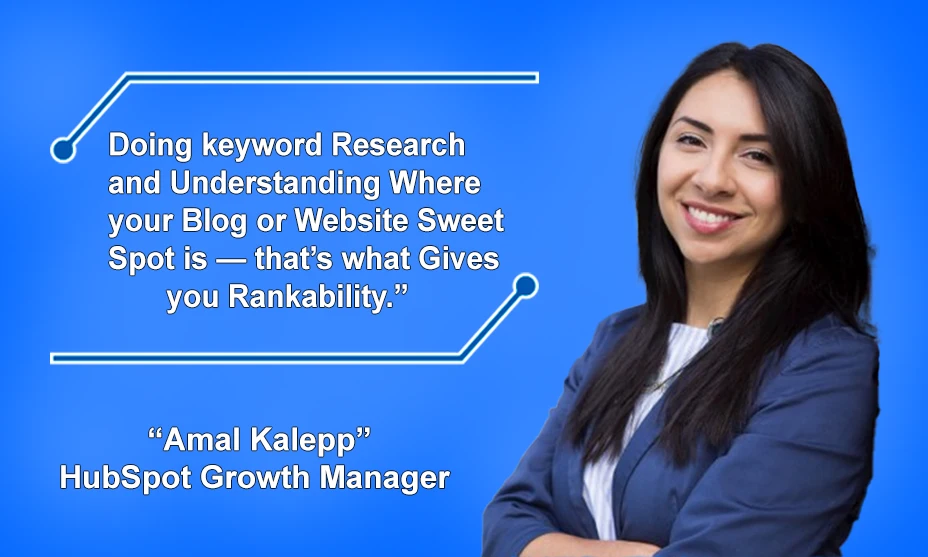
Doing proper keyword research is vital for SEO. But one of the biggest SEO mistakes today is still targeting keywords without understanding what the user actually wants.
Ranking for a keyword means very little if your content doesn’t match the intent behind it, informational, transactional, or navigational.
Search engines and AI systems now prioritize intent satisfaction over keyword matching, which means content must directly answer user needs.
How to Avoid:
Focus on search intent first, then build content around it using structured answers, examples, and clear value delivery.
You can use a variety of keyword research tools, like SEMrush or Ahrefs, to find out the best keywords for your website.
Ensure you include long-tail keywords in your campaign as they are less competitive, good for voice search optimization, and can help you reach a wider audience.
2- Writing Content Without Topical Authority
Many websites still publish random blog posts without building a clear topic structure.
This weakens your authority in the eyes of search engines and AI systems.
Modern SEO relies heavily on topical authority, where multiple related pages support a core subject.
How to Avoid:
Build content clusters instead of isolated posts and cover topics in depth rather than writing shallow articles on unrelated keywords. Interlink related pages and create pillar content that acts as the main authority hub for each topic.
3- Ignoring Answer Engine Optimization (AEO)
SEO is no longer just about ranking on Google, it now includes Answer Engine Optimization (AEO) for AI-driven results like AI Overviews and conversational search tools like ChatGPT, Perplexity and Claude.
Most websites fail here because their content is not structured for direct extraction.
How to Avoid:
Use clear headings, concise answers, bullet points, and fact-based writing so AI systems can easily pull and display your content. Structure your content in a way that directly answers common questions in simple, extractable formats.
4- Poor On-Page Structure and Formatting
Even good content can fail if it is poorly structured.
Missing headings, long unbroken paragraphs, and unclear formatting make it difficult for both users and search engines to understand your page.
Modern SEO depends heavily on readability and structured content design.
How to Avoid:
Use proper H1–H6 hierarchy, short paragraphs, and clearly separated sections with logical flow. Improve readability by adding formatting elements like bullet points, summaries, and descriptive subheadings.
5- Only Focusing on On-page SEO
On-page SEO is one of the primary elements of a great SEO strategy, but alone it cannot help you rank higher in search engines.
Optimizing your website for search engines and visitors is a major ranking factor but you should not overlook other parts of SEO.
How to Avoid:
Use of white hat off-page SEO techniques help you boost domain authority by building backlinks and make your site appear in most searches. Building strong backlinks, social media marketing and blog commenting are some of the best ways to improve off-site SEO for your online business or website.
6- Weak or Outdated Technical SEO
Technical SEO issues are still one of the most damaging problems for websites.
Slow loading speed, crawl errors, duplicate pages, and poor mobile performance can silently destroy rankings.
Search engines must be able to crawl, index, and understand your site efficiently.
How to Avoid:
Regularly run technical audits, fix indexing issues, improve Core Web Vitals, and ensure mobile-first performance. Also, monitor site health using SEO tools to catch errors before they impact rankings.
7- Ignoring User Experience
Excellent user experience is Google’s number one priority when it comes to ranking websites in search results.
If your site offers a poor user experience, search engines will never rank it higher.
How to Avoid:
Optimize your website for user experience to secure visible place in search results. Optimizing your website for speed, easier navigation, quality content, and mobile accessibility are some of the basic things that can improve experience of users on your site.
8- Neglecting Internal Linking Strategy
Many websites publish content but fail to connect it properly.
Without internal links, search engines struggle to understand your site structure and content relationships.
This also reduces user engagement and page authority distribution.
How to Avoid:
Build a strong internal linking system that connects related pages and guides users through your content ecosystem. Link to relevant articles naturally within content to improve navigation and strengthen topical authority.
9- Ignoring Backlink Quality
Backlinks are still a strong ranking factor, but quality now matters far more than quantity.
Spammy, irrelevant, or paid links can do more harm than good. Modern SEO focuses on authority-driven link building, not volume.
How to Avoid:
Earn backlinks through valuable content, digital PR, guest posts, and niche-relevant mentions. Focus on building relationships with trusted websites instead of chasing large numbers of low-quality links.
10- Treating SEO as a One-Time Task
One of the most damaging mistakes is treating SEO as a one-time setup instead of an ongoing process.
Search algorithms, user behavior, and AI systems constantly evolve. Which means your website should be optimized properly to appear wherever users are searching.
How to Avoid
Continuously update content, track performance, refine keywords, and adapt to new search trends like AEO and AI search optimization. Treat SEO as a long-term strategy that requires regular improvements and optimization cycles.
Final Thoughts
Start creating Verdict in seconds, and convert more of your visitors into leads.
SEO in 2026 is not just about keywords and rankings; it’s about intent, authority, structure, and AI compatibility.
Websites that ignore these changes will continue to lose visibility, while those that adapt will dominate both traditional search and AI-driven results.
Avoiding these common SEO pitfalls will not only improve your rankings but also strengthen your long-term digital presence.
People Also Ask
Start creating Verdict in seconds, and convert more of your visitors into leads.
Ignoring search intent is one of the most common mistakes, leading to low traffic and poor engagement.
Most likely due to outdated strategies that don’t align with modern AI-driven search and AEO requirements.
AEO (Answer Engine Optimization) focuses on structuring content so AI systems can extract and display direct answers.
Yes, keyword stuffing reduces readability and can negatively impact rankings.
Avoid keyword stuffing, low-quality backlinks, ignoring technical SEO, and publishing content without strategy or search intent.
Targeting long-tail keywords without intent, creating thin content, and not using internal linking to build topic relevance.
Because SEO drives long-term organic traffic, builds visibility, and is now essential for both traditional search and AI-driven results like AI Overviews.