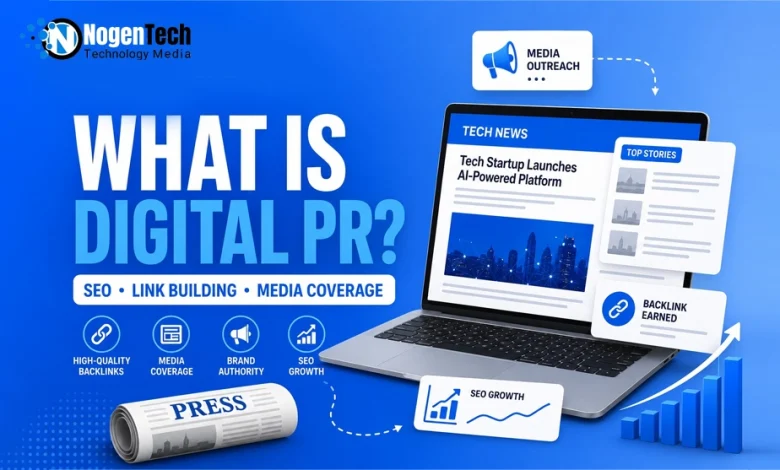
If you’ve been following SEO trends lately, you’ve probably noticed that traditional link-building tactics are becoming less effective while digital PR is gaining momentum in 2026.
Brands today need more than rankings. They need visibility, authority, trust, and recognition across the web. That’s where digital PR comes in.
Digital PR has evolved into one of the most powerful strategies for improving search engine visibility, earning high-quality backlinks, increasing brand reputation, and establishing industry authority. Whether you’re a startup, SaaS company, eCommerce brand, or enterprise organization, digital PR can help you build a stronger online presence.
Moving forward, I’ll help you explore what digital PR is, how it works, why it matters for SEO, and how businesses can create successful digital PR campaigns.
What Is Digital PR?
Digital PR is a marketing strategy that uses online media channels to increase brand visibility, earn backlinks, generate media coverage, and improve a company’s online reputation.
Unlike traditional public relations, which focuses on newspapers, magazines, radio, and television, digital PR targets:
- Online publications
- Blogs
- News websites
- Influencers
- Podcasts
- Social media platforms
The primary goal of digital PR is to help brands earn attention organically through valuable content, newsworthy stories, expert insights, and data-driven campaigns.
At its core, digital PR combines elements of:
- Public relations
- Content marketing
- SEO
- Brand building
- Media outreach
- Link building
This combination makes digital PR one of the most effective modern marketing disciplines.
How Does Digital PR Differ From Traditional PR?
Traditional PR primarily aims to increase public awareness. Digital PR does the same while also delivering measurable SEO benefits.
Although both disciplines focus on increasing visibility and reputation, their methods differ significantly.
| Traditional PR | Digital PR |
| Print media coverage | Online media coverage |
| Newspapers and magazines | Websites, blogs, podcasts |
| Difficult to measure | Highly measurable |
| Focus on brand awareness | Focus on awareness + SEO |
| Limited audience targeting | Precise audience targeting |
Why Digital PR Is Important?
Digital PR is important because the modern customer journey begins online. Before purchasing a product or hiring a company:
- People search Google
- Read reviews
- Compare brands
- Consume content from trusted sources
Digital PR helps businesses appear in those places.
Key Benefits of Digital PR
Here are some of the key benefits that you can avail if you priortize digital PR for your brand:
- Increased Brand Awareness: Media mentions expose your brand to larger audiences.
- Improved Online Authority: Being featured in trusted publications enhances credibility.
- Higher Search Rankings: Quality backlinks strengthen SEO performance.
- More Referral Traffic: Media placements often drive highly targeted visitors.
- Stronger Brand Trust: Consumers trust third-party endorsements more than advertisements.
In an era where trust is a major ranking and conversion factor, digital PR provides a significant competitive advantage.
Digital PR Statistics You Should Know
The importance of digital PR continues to grow because of changing consumer behavior and search engine algorithms.
Some notable industry trends include:
- Most online experiences begin with a search engine.
- Earned media is often considered more trustworthy than paid advertising.
- High-authority backlinks remain one of Google’s strongest ranking signals.
- Journalists increasingly prefer original research and data-driven stories.
- Brands with strong media visibility typically experience higher search demand.
These trends highlight why businesses are investing heavily in digital PR campaigns.
What Is Digital PR in SEO?
Digital PR in SEO refers to using public relations strategies to improve organic search visibility.
Instead of acquiring links through outdated tactics, digital PR earns backlinks naturally through media coverage and valuable content.
SEO-focused digital PR campaigns are designed to:
- Earn authoritative backlinks
- Increase domain authority
- Improve topical authority
- Generate brand mentions in AI search
- Build trust signals
- Support Google’s E-E-A-T guidelines
This makes digital PR one of the safest and most effective link acquisition methods available today.
What Does Digital PR Do for SEO?
Digital PR directly impacts SEO in several ways.
- Earns High-Authority Backlinks: When reputable websites link to your content, search engines interpret those links as endorsements.
- Improves Domain Authority: Consistent media coverage strengthens your site’s authority profile.
- Increases Organic Rankings: Better authority often leads to improved keyword rankings.
- Generates Referral Traffic: Visitors arriving from media websites can become leads and customers.
- Strengthens E-E-A-T Signals: Digital PR helps demonstrate expertise, experience, authority, and trustworthiness.
- Builds Brand Recognition: Search engines increasingly reward recognized brands and entities.
Why Digital PR and SEO Work Together
The major reason behind Digital PR and SEO working together is that SEO professionals need quality backlinks and authority signals, and PR professionals need measurable outcomes.
A few years ago, PR and SEO were separate disciplines. Today, they work hand in hand. Digital PR bridges the gap. A successful campaign can simultaneously:
- Increase media exposure
- Earn backlinks
- Get online reviews for your business
- Generate traffic
- Improve rankings
- Build brand awareness
- Customer retention
This dual impact is why many marketers consider digital PR the future of link building.
What Is Digital PR Link Building?
Digital PR link building is the process of earning backlinks through newsworthy content and media coverage.
Rather than requesting links directly, brands create stories that journalists naturally want to cover. Its common examples include:
- Original Research: Publishing unique industry data.
- Surveys: Conducting studies and sharing findings.
- Industry Reports: Creating in-depth reports that provide valuable insights.
- Expert Commentary: Providing opinions on trending topics.
- Newsjacking: Responding quickly to breaking news with expert insights.
This approach creates natural backlinks that comply with search engine guidelines.
Why Digital PR Link Building Outperforms Traditional Link Building?
Traditional link building often involves:
- Guest posting
- Directory submissions
- Manual outreach
- Resource page requests
Digital PR offers several advantages:
- Higher-quality links
- Better brand exposure
- Stronger authority signals
- More referral traffic
- Greater long-term value
A single mention from a major publication can outperform dozens of low-quality backlinks.
What Is a Digital PR Strategy?
A digital PR strategy is a structured plan designed to increase media coverage, brand visibility, and SEO performance.
Its successful strategies typically include five stages:
- Research: Start by analyzing your audience, competitors, and industry trends. This helps identify topics that are relevant, timely, and likely to gain media attention.
- Campaign Development: Create a compelling story or angle that journalists would find interesting. Data studies, surveys, expert insights, and trend reports often perform well.
- Asset Creation: Develop supporting assets such as press releases, infographics, reports, or case studies that make your story more valuable and shareable.
- Media Outreach: Pitch your campaign to relevant journalists, bloggers, and publishers. Personalized outreach usually delivers better results than mass email campaigns.
- Performance Analysis: Track important metrics like media placements, backlinks earned, referral traffic, brand mentions, and keyword rankings to measure campaign success.
The most successful digital PR campaigns are driven by data rather than assumptions.
How to Do Digital PR: Step-by-Step
Building a successful digital PR campaign requires more than sending a few emails to journalists. You need a clear plan, valuable content, and consistent outreach to earn media coverage and backlinks.
Here’s how to do digital PR effectively:
Step 1: Set Clear Goals
Start by defining what you want to achieve. Your goals may include earning high-authority backlinks, increasing brand awareness, driving referral traffic, or improving keyword rankings.
Step 2: Identify Newsworthy Topics
Journalists are more likely to cover stories that provide value to their audience. Look for industry trends, original data, expert insights, or emerging topics that can be turned into compelling stories.
Step 3: Create Linkable Assets
Develop content that publishers will want to reference and share. This can include:
- Surveys and research studies
- Industry reports
- Infographics
- Case studies
- Interactive tools and calculators
The more unique and useful your asset is, the higher the chances of earning media coverage and backlinks.
Step 4: Build a Media List
Create a list of journalists, bloggers, and publications that regularly cover your industry. Targeting relevant contacts improves your chances of securing placements and building long-term media relationships.
Step 5: Personalize Your Outreach
Avoid sending generic pitches to hundreds of contacts. Instead, tailor your emails to each journalist by referencing their previous work and explaining why your story is relevant to their audience.
Step 6: Track and Measure Results
Once your campaign is live, monitor key performance metrics such as:
- Backlinks earned
- Media placements
- Referral traffic
- Organic traffic growth
- Brand mentions
Analyzing these results and, in contrast to them, using online reputation management tools enables you to help you understand what worked and refine future digital PR campaigns for better outcomes.
Common Digital PR Services for USA-based Startups
Businesses often use digital PR services to increase brand visibility, earn media coverage, and strengthen their online authority.
- Media Outreach: Building relationships with journalists, bloggers, and publishers to secure media coverage and backlinks.
- Press Release Distribution: Distributing company announcements, product launches, and updates to relevant media outlets.
- Data-Led Campaigns: Creating surveys, studies, and original research that attract media attention and backlinks.
- Thought Leadership: Positioning founders, executives, and industry experts as credible voices through interviews, guest articles, and expert commentary.
- Reputation Management: Monitoring and improving a brand’s online reputation through positive media coverage and strategic communication.
- Digital PR SEO Campaigns: Combining public relations and SEO to earn high-quality backlinks, increase brand mentions, and improve search visibility.
Should You Hire a Digital PR Agency?
Many companies choose to work with a digital PR agency because building media relationships takes time and expertise.
A professional digital PR company can provide:
- Established journalist connections
- Campaign strategy
- Content creation
- Media outreach
- SEO integration
- Reporting and analytics
When to Hire a Digital PR Agency?
Consider hiring an agency if:
- You need high-authority backlinks.
- Your in-house team lacks PR expertise.
- You want national media coverage.
- SEO growth is a priority.
For businesses targeting North America, partnering with a reputable digital PR agency in the USA can accelerate results.
Common Digital PR Mistakes
Even well-planned digital PR campaigns can fail if they focus on promotion rather than value. Here are some common mistakes to avoid:
Overly Promotional Content
Journalists look for newsworthy stories, not sales pitches. Content that feels too promotional is less likely to earn coverage.
Weak Data
Campaigns built on unsupported claims or unreliable data rarely attract attention from publishers.
Generic Outreach
Sending the same pitch to hundreds of journalists often leads to low response rates. Personalized outreach is usually more effective.
Ignoring SEO
Digital PR and SEO work best together. Focusing only on media coverage can mean missing valuable opportunities for backlinks and organic growth.
Failing to Measure Results
Without tracking media placements, backlinks, traffic, and brand mentions, it’s difficult to evaluate campaign performance and ROI.
Questions People Also Ask Related to Digital PR
What is a digital PR agency?
A digital PR agency helps businesses earn media coverage, high-quality backlinks, and brand mentions through online publications, journalist outreach, and data-driven campaigns.
What is the difference between a digital PR agency and a digital PR company?
There is little difference between the two terms. Both provide digital PR services such as media outreach, link building, reputation management, and SEO-focused PR campaigns.
What are digital PR services?
Digital PR services include media outreach, press release distribution, thought leadership, data-led campaigns, reputation management, and digital PR SEO campaigns designed to increase visibility and authority.
Who should hire a digital PR firm?
Businesses looking to improve brand awareness, earn authoritative backlinks, increase media coverage, or support SEO growth can benefit from hiring a digital PR firm.
Can digital PR help with link building?
Yes. Digital PR link building helps businesses earn natural backlinks from authoritative websites through newsworthy content, original research, expert commentary, and media outreach.
Does digital PR support SEO growth?
Yes. Digital PR supports SEO growth by earning high-quality backlinks, increasing brand mentions, improving domain authority, and driving referral traffic to a website.
Are digital PR agencies worth it for startups?
Yes. Digital PR agencies can help startups gain media exposure, build credibility, attract backlinks, and compete with established brands without relying entirely on paid advertising.
My Final Opinion on Digital PR
Digital PR has transformed from a branding tactic into a powerful growth channel that supports SEO, link building, authority building, and customer trust.
By earning media coverage, building relationships with journalists, and creating valuable content, businesses can strengthen their online presence while improving search visibility.
In my opinion, whether you’re managing campaigns internally or working with a firm, investing in digital PR is one of the smartest long-term strategies for sustainable growth in 2026 and beyond.