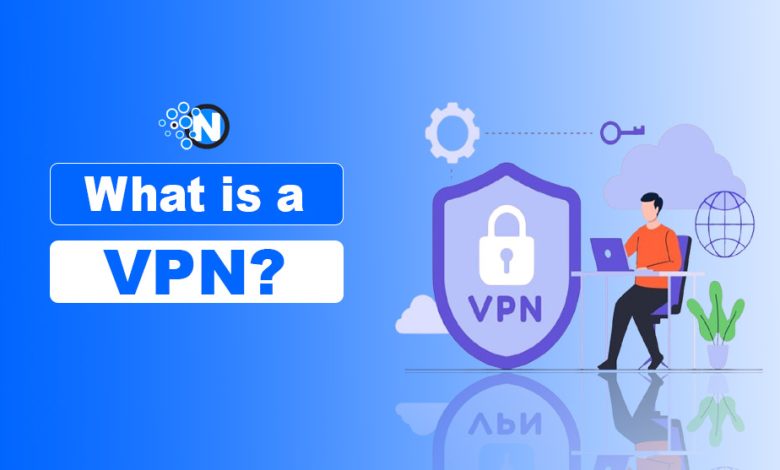
A Virtual Private Network (VPN) is a tool that encrypts your internet connection, hides your IP address, and allows you to browse the web more securely and privately. It routes your data through a protected server and helps prevent tracking, protects sensitive information on public Wi-Fi networks, and reduces the risk of unauthorized access.
As we are living in a hyper-connected world where everyone is facing privacy concerns, I thought to help the Nogentech audience understand what a VPN (Virtual Private Network) is, its types, and how a reliable VPN can protect you online.
Whether you are working remotely, streaming your favorite TV show, or just scrolling the web for information, using a VPN can enhance your experience and protection as well.
Let’s understand how!
How Does a VPN Work?
When you connect to a VPN, your internet traffic is routed through a secure server operated by the VPN provider instead of going directly to the websites you visit. This process encrypts your data, making it unreadable to hackers, internet service providers, or anyone monitoring the network.
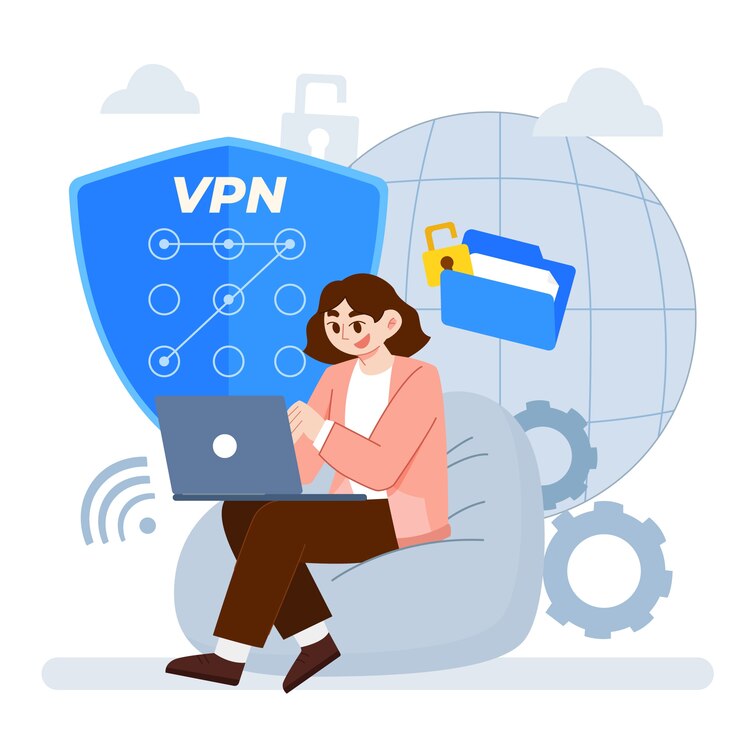
At the same time, the VPN server assigns you a new IP address, which hides your real location and identity online. This combination of encryption and IP masking is what allows a VPN to protect your privacy, secure public Wi-Fi connections, and reduce the risk of data or identity theft.
According to many technical experts, a VPN can save you from various cyber threats, most notably from data and identity theft. You can use a VPN to secure your network so that no hackers can infringe on it. Several Google Chrome VPN extensions are also available that can be used to establish a secure connection between your device and the network.
Interesting VPN Statistics
- The VPN market is projected to reach $77 billion by 2026
- Over one-third of global internet users now rely on VPNs regularly
- Around 75% of VPN users access VPNs on desktops/laptops, while 66% use on smartphones
- In the U.S., 40% use free VPNs, while 51% opt for paid services

Types of VPN
1. SSL VPN
It is a virtual private network (VPN) that is created using the Secure Sockets Layer (SSL) protocol so that the user gets a secure and encrypted connection over a less-secure network. SSL VPN is highly used in the corporate world to provide a secure and safe network to their employees.
2. Client-to-Server VPN
In a Client-to-Server VPN connection, clients from the internet can connect easily to the service to access the corporate network or LAN. It is somewhat like you are using an extension cable on your home computer with the company. The public majorly uses a Client-to-Server VPN.
3. Site-to-site VPN
The connection between two or more networks, for example, the branch office network and a corporate network, is generally known as site-to-site VPN. Currently, various organizations utilize Site-to-Site VPN to gain control of the internet, enabling them to establish a secure connection for private traffic.
Key Benefits of Using a VPN
A reliable VPN:
- Encrypts your internet traffic: This means your data is scrambled so others can’t read it.
- Masks your IP address: It hides your real location by routing your traffic through a remote server.
- Secures public Wi-Fi use: Protects your data when you’re on open networks like in cafes or airports.
- Bypasses geo-restrictions: Lets you access content that may be blocked in your region (like streaming services).
- Prevents tracking: Makes it harder for websites, ISPs, and hackers to monitor your online activity.
Final Thoughts – Stay Safe and Connected Wherever You Are
I hope everything is now clear to every Nogentech reader.
No matter I was meeting clients in Dubai or working from a cafe using a public network, one thing remains constant: I never connected to the internet without Express VPN. Public networks look nice to connect (because they are free LOL!), but they’re open doors for cyber threats.
A reliable VPN is your digital bodyguard offering the freedom to work, stream, or explore online — without the fear of being watched. If you’re often on the move like me, make VPN security your travel partner.