A few weeks ago, I published a guide explaining why DOCSIS 3.1 continues to power most cable internet connections in 2026. While updating our comparison of Xfinity’s newest XB10 Gateway, I kept seeing one question appear again and again: If DOCSIS 3.1 already delivers gigabit speeds, why are internet providers investing in DOCSIS 4.0?
The answer has less to do with download speeds and more to do with how internet usage has evolved. Remote work, cloud storage, AI-powered applications, smart home devices, and multi-gig broadband have increased the demands placed on cable networks in ways that older standards were never designed to handle.
DOCSIS 4.0 is designed to help cable broadband keep pace with the way people use the internet today. Instead of replacing existing infrastructure, it helps providers improve upload capacity, reduce latency, and prepare their networks for the growing number of connected devices found in modern homes.
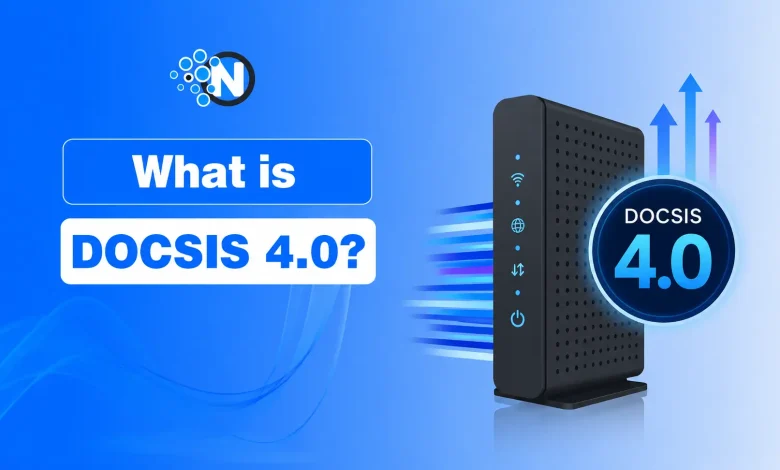
What is DOCSIS 4.0?
DOCSIS 4.0 is the latest cable broadband standard that increases network capacity, delivers faster uploads, lowers latency, and enables multi-gig internet services while allowing providers to modernize existing coaxial infrastructure without replacing it entirely, supporting future connected homes efficiently today.
Here are a few additional reasons why DOCSIS 4.0 is a significant step forward:
- Supports more simultaneous devices without network congestion.
- Makes cloud backups and file sharing noticeably faster.
- Helps ISPs compete with fiber using existing cable networks.
- Improves network reliability during peak evening usage.
- Provides a stronger foundation for future bandwidth-intensive applications.
Why Cable Networks Needed the Next Upgrade?
Cable internet has delivered impressive download speeds for years, but upload performance has always been its weakest area.
That wasn’t a noticeable issue when most people only streamed videos or browsed websites. Today, internet connections handle much more than entertainment.
A typical household may now:
- Upload large files to cloud storage
- Join multiple video meetings every day
- Stream live content
- Run dozens of smart home devices
- Sync photos and videos automatically
- Use AI-powered productivity tools
These activities constantly send data back to the internet instead of simply downloading it.
Rather than replacing millions of miles of existing cable infrastructure with fiber, internet providers have chosen to modernize those networks using DOCSIS 4.0, allowing them to deliver better performance through infrastructure that’s already in place.
How Does DOCSIS 4.0 Improve Everyday Internet Performance?
Many people assume a newer broadband standard simply means faster download speeds.
DOCSIS 4.0 certainly increases network capacity, but its biggest improvements happen in everyday performance rather than speed-test results.
Some of its biggest advantages include:
- Faster upload speeds
- Better support for symmetrical internet services
- Lower latency during busy network periods
- Higher capacity for connected homes
- Improved efficiency during peak usage
- Better support for future multi-gig broadband plans
These improvements become noticeable when several people are gaming, working remotely, streaming, or transferring files simultaneously.
Instead of slowing down as more devices join the network, DOCSIS 4.0 is designed to distribute bandwidth more efficiently across the entire household.
How Does DOCSIS 4.0 Work Alongside WiFi 7?
DOCSIS 4.0 and WiFi 7 are often mentioned together, although they improve different parts of your home network.
- DOCSIS 4.0 strengthens the connection arriving from your internet service provider.
- WiFi 7 improves how that connection is distributed throughout your home.
The relationship becomes easier to understand when looking at Xfinity’s latest XB10 Gateway, which combines DOCSIS 4.0 with WiFi 7 to improve both incoming internet performance and wireless connectivity inside the home.
One technology brings more bandwidth into your house. The other helps connected devices make better use of it.
Why DOCSIS 4.0 Matters Even If You Don't Need Faster Internet?
One of the biggest misconceptions about DOCSIS 4.0 is that it only benefits people paying for multi-gig internet plans.
In reality, many of its improvements are less obvious but far more practical.
As homes become increasingly connected, internet providers must manage more devices, more simultaneous traffic, and higher upload demands than ever before. Better traffic management, lower latency, and improved upload efficiency help create a smoother experience even when your advertised download speed stays exactly the same.
That means DOCSIS 4.0 isn’t simply about chasing bigger speed numbers—it’s about making home internet feel more consistent as everyday internet habits continue evolving.
Who Will Benefit the Most?
Not every household needs DOCSIS 4.0 today, and that’s perfectly normal.
The biggest improvements are likely to be noticed by people who:
- Work remotely every day
- Upload large files regularly
- Stream content professionally
- Use AI-powered cloud applications
- Own dozens of connected smart home devices
- Subscribe to multi-gig internet plans
For households mainly browsing the web, watching streaming services, or using standard broadband packages, DOCSIS 3.1 still delivers excellent everyday performance. DOCSIS 4.0 simply prepares cable networks for the next generation of internet usage rather than replacing what already works.
Is DOCSIS 4.0 Available Yet?
Not everywhere.
Unlike software updates, broadband standards require internet providers to upgrade physical infrastructure before customers can benefit from them.
Availability currently depends on several factors, including:
- Your internet provider
- Your service address
- Local network upgrades
- Your internet package
- Compatible modem or gateway
Customers living in selected Xfinity X-Class markets may already receive newer gateway hardware, particularly with plans that include xFi Complete as an add-on, although broader DOCSIS 4.0 deployment continues to expand across additional regions.
As more providers modernize their networks over the next few years, availability is expected to increase steadily.
Common Questions About DOCSIS 4.0
Should You Upgrade Right Now?
Upgrade only if your ISP offers DOCSIS 4.0 and you need multi-gig speeds or faster uploads. Otherwise, a DOCSIS 3.1 modem is still sufficient for most users.
Is DOCSIS 4.0 replacing fiber internet?
No. DOCSIS 4.0 modernizes cable broadband infrastructure, while fiber remains a separate internet technology. Both will continue serving different markets for years to come.
Do I need a new modem to use DOCSIS 4.0?
Yes. Existing DOCSIS 3.1 hardware cannot take full advantage of DOCSIS 4.0 capabilities.
Will DOCSIS 4.0 improve online gaming?
It can reduce latency and improve upload performance, but gaming performance also depends on your internet plan, local network quality, WiFi setup, and connected devices.
Is DOCSIS 4.0 available from every ISP?
No. Rollouts vary between providers and continue expanding market by market.
The Future of Cable Broadband
Home internet has changed dramatically over the last decade. Households now rely on cloud services, remote work, AI-powered tools, connected security systems, and dozens of smart devices that all compete for bandwidth throughout the day.
DOCSIS 4.0 reflects that shift. Rather than focusing only on faster downloads, it helps cable providers build networks that are better prepared for modern internet habits and future broadband demands.
For most households, there’s no immediate reason to replace a reliable DOCSIS 3.1 setup. However, as providers continue introducing multi-gig services and expanding next-generation infrastructure, DOCSIS 4.0 is expected to play an increasingly important role in delivering a faster, more responsive, and more reliable home internet experience.