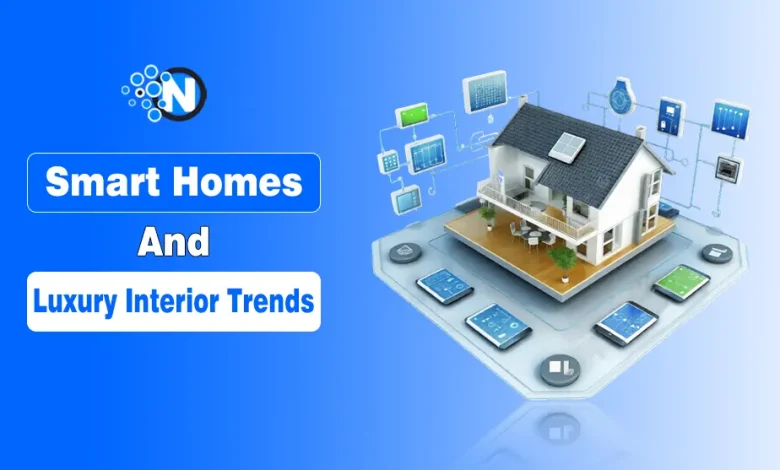
Luxury in 2026 feels fundamentally different from what it did even a few years ago, as I have recently explored the latest smart homes and interior trends.
During my research, I realized that we are no longer chasing shiny smart home devices and gadgets for the sake of showing off wealth. Instead, the focus has shifted toward how a space makes us feel and how it supports our daily lives.
In the current landscape of high-end design, it is obvious that the “smart” element of a home has finally become invisible, blending perfectly with organic materials and wellness-centric architecture.
In this guide, I have elaborated on the modern smart homes and luxury interior trends in 2026. My goal is to show you how these elements create a environment that is both high-tech and deeply human.
10 Smart Homes and Luxury Interior Trends in 2026
The intersection of automation and high-end aesthetics has given rise to a new era of interior design.
We are moving toward environments that prioritize health, mental clarity, and effortless functionality. The following are the latest smart homes and luxury interior trends that are behind it.
1. Predictive Habit Tracking
The days of voice assistants are fading. Instead, the modern luxury home utilizes decentralized AI to anticipate your needs based on historical data.
If you usually start your morning with a specific lighting temperature and a fresh brew, the house coordinates these actions the moment your sleep cycle reaches its natural limit.
This transition from reactive to proactive tech allows you to focus on more meaningful pursuits.
2. Plants
Designers are no longer just placing plants in rooms. They are building rooms around nature. This trend involves integrating living ecosystems directly into the structural floor plan, such as indoor brooks that regulate humidity or vertical gardens that act as natural insulation.
I find this fascinating because it treats greenery as a functional building material rather than a decoration. These plants provide a constant connection to the outdoors, which has been scientifically proven to lower cortisol levels and improve cognitive function within the home.
3. Sonic Surface Integration
The visual clutter of traditional speakers is a thing of the past in 2026. High-end interiors now favor “phantom audio” where the surfaces of your home, such as the drywall, the wooden cabinetry, or even the glass partitions, vibrate at microscopic levels to produce high-fidelity sound.
It creates a fully immersive acoustic environment without a single wire or plastic box in sight. It allows for a minimalist aesthetic that doesn’t compromise on the sensory experience, making your entire living room a balanced soundstage for music or cinema.
4. Zero-Waste
We have reached a point where “recycled” is a synonym for “exclusive.” The most coveted furniture pieces this year are often crafted from sequestered carbon or bio-fabricated materials that mimic the grain of rare woods without the environmental cost.
I’ve noticed that luxury homeowners now demand a “material passport” for their decor, documenting the sustainable journey of every marble slab or textile.
It’s a powerful shift where the prestige of an item is measured by its positive impact on the planet rather than its rarity alone.
5. Circadian Rhythm Engineering
Light is the most powerful tool in a designer’s kit, and in 2026, it is used to hack our biology for better health. Smart homes now feature full-spectrum LED systems that shift their Kelvin scale automatically to match the sun’s position, even in windowless rooms.
This isn’t just about color; it’s about regulating melatonin and energy levels. Through bathing your evening space in warm, long-wavelength light, the home prepares your brain for deep restorative sleep.
It ensures that the luxury of a smart home translates directly into physical vitality.
6. The Regenerative Wet Room
The master bath has moved beyond a simple place for hygiene and turned into a diagnostic wellness center.
We are seeing showers that analyze water mineral content and adjust it for your specific skin type, alongside hydrotherapy tubs that use oxygen-infused microbubbles for deep tissue recovery.
These spaces often include infrared saunas integrated into the wall panels, allowing for a professional-grade spa experience. It reflects a broader trend where the home is the primary location for preventative healthcare and daily physical optimization.
7. Raw Textures and Earthy Tones
The trend of warm minimalism has taken a firm hold on the luxury sector. We are seeing a departure from high-gloss finishes and cold metals in favor of lime-wash walls, unpolished stone, and hand-rubbed woods from iconic designers like Poliform.
This palette of ochre, deep clay, and moss green creates a grounding atmosphere that feels timeless. Designers are creating homes that feel like a liberty from the digital world, even while being packed with the latest technological advancements.
8. Active Noise Cancellation or Acoustic Zoning
Open-concept living used to mean a lack of privacy, but smart acoustic zoning has solved that flaw. Using destructive interference technology, essentially noise-canceling for a whole room, homeowners can create “quiet bubbles” within a larger space.
This means you could be having a conversation in the kitchen while someone else is reading in the living room just 10 feet away in total silence. It’s a mechanical luxury that allows for a social floor plan while still respecting the individual’s need for peace and focus.
9. Autonomous Energy Microgrids
True luxury in 2026 includes the peace of mind that comes with energy independence. Modern mansions are now equipped with transparent solar harvesting windows and hydrogen fuel cell backups that keep the house running indefinitely regardless of the external grid status.
These home automation systems are managed by artificial intelligence that optimizes power usage based on weather forecasts and your personal schedule, while ensuring you follow essential power station safety tips for indoor use during any transition. It’s a sophisticated layer of security that ensures your smart environment remains operational and comfortable during any external disruption.
As luxury smart homes become more advanced and valuable, many homeowners also consult a property tax specialist to better understand how high-end upgrades and energy-efficient systems may affect long-term property assessments.
10. Dynamic Generative Art
Art is no longer a static image hanging on a wall. It has become a living part of the room’s soul.
Using ultra-thin, high-resolution digital canvases, homeowners display generative art that evolves in real-time based on the time of day, the ambient noise level, or even the stock market’s fluctuations.
It allows the mood of a room to shift instantly. It’s a way of ensuring the interior never feels stagnant, providing a constant source of visual inspiration that adapts to the owner’s changing tastes and emotions.
Final Thoughts
The evolution of the home in 2026 proves that technology is at its best when it serves the human spirit. I believe we have finally moved past the era of “smart for the sake of smart” and entered a period where our living spaces are true partners in our well-being.
Whether it is through the air we breathe, the light that guides our day, or the materials we touch, every element is now intentional. Luxury is no longer about what you own, but how well your environment understands and cares for you and the world around you.
People Also Ask
What is the primary goal of smart home technology in 2026?
The focus has shifted from manual control to predictive AI that anticipates your needs and manages your environment autonomously.
How does biophilic design go beyond just adding plants to a room?
It involves integrating living ecosystems like irrigation systems and air-purifying gardens directly into the architectural structure of the home.
What is circadian lighting and why is it considered a luxury trend?
It is an advanced lighting system that mimics the sun’s natural progression to regulate your sleep cycle and improve overall biological health.
Can luxury interiors really be sustainable without losing their high-end feel?
Yes, 2026 trends emphasize carbon-negative materials and recycled opulence that offer unique textures and ethical prestige.
What does “invisible technology” mean in the context of modern interior design?
It refers to high-tech features like sonic surfaces and hidden projectors that provide full functionality without cluttering the room’s aesthetic.