- Evaluate your CPU properly before listing.
- Use real market data to set a competitive price.
- Handle and package carefully to avoid damage.
- Write clear, transparent listings with full specs.
- Choose trusted platforms for better exposure.
Selling a used CPU can be a smart way to recover value from old hardware, especially as more users upgrade to newer processors from brands like Intel and AMD. But here’s the reality: many sellers leave money on the table simply because they overlook a few critical details.
Whether you’re an individual upgrading your PC or a business managing IT assets, knowing what not to do can make a big difference. A well-prepared listing builds trust, attracts serious buyers, and helps you close faster, often at a better price.
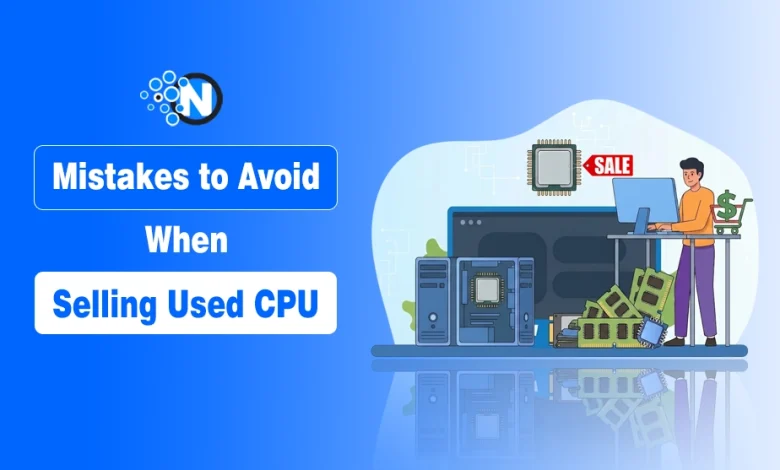
In this blog post, you will find the most common mistakes to avoid when you want to sell used CPU.
Why Sell a Used CPU in 2026?
Selling a used CPU is a practical way to recover value from hardware that still has market demand. With rapid upgrade cycles and new processor releases from brands like Intel and AMD, many older CPUs remain useful for budget builds, secondary systems, and entry-level users.
Here’s why selling your used CPU makes sense:
- Recover part of your investment instead of letting hardware sit unused
- Strong demand in the resale market, especially for mid-range processors
- Support sustainable tech practices by extending hardware lifecycle
- Free up budget for upgrades to newer-generation components

What are the Mistakes to Avoid When Selling a Used CPU?
1. Skipping Proper Evaluation Before Listing
One of the biggest mistakes is listing a CPU without fully understanding its value. Not all processors are equal, even within the same brand. Factors like:
- Model and generation (e.g., 10th Gen vs 13th Gen)
- Clock speed and core count
- Condition and usage history
…can significantly impact pricing.
What to do instead:
Take a few minutes to check your CPU specs using tools like CPU-Z or your system settings. Accurate specs not only justify your price but also reduce back-and-forth with buyers.
2. Using the Wrong Pricing Strategy
Pricing too high scares buyers away. Pricing too low? You lose money. Many sellers either guess the price or rely on outdated comparisons, which leads to poor results.
What to do instead:
- Compare recent listings on platforms like eBay and Facebook Marketplace
- Factor in condition (used, lightly used, overclocked, etc.)
- Adjust pricing based on demand trends
A competitive price attracts attention quickly and often leads to better offers.
3. Poor Handling and Packaging
CPUs are delicate. Improper handling like bent pins or damaged contacts can instantly kill their value.
This is especially true for AMD CPUs with exposed pins, while Intel chips (LGA type) are still sensitive to scratches or contact damage.
Common mistakes:
- Touching contacts without protection
- Shipping without anti-static protection
- Using weak packaging
What to do instead:
- Always use anti-static bags
- Pack in a sturdy box with cushioning
- Avoid direct contact with pins or pads
Good packaging doesn’t just protect the CPU; it protects your reputation as a seller.
4. Writing Incomplete or Confusing Listings
A vague listing is a deal-breaker. If buyers don’t clearly understand what they’re getting, they’ll simply move on or negotiate aggressively.
What buyers want to know:
- Exact CPU model
- Condition (used, refurbished, tested)
- Compatibility (motherboard/socket type)
- Any issues or history (e.g., overclocking)
What to do instead:
Write a clear, honest description and include high-quality images. Transparency builds trust, and trust drives conversions.
5. Ignoring the Right Selling Platforms
Not all platforms are created equal. Choosing the wrong one can limit visibility and reduce your chances of selling at a good price.
Common mistake:
Selling on random or low-traffic platforms without buyer protection.
What to do instead:
Use trusted marketplaces or IT asset resale platforms that offer:
- Buyer/seller protection
- Secure payments
- High visibility
Platforms like eBay, Facebook Marketplace, or specialized IT resale networks can significantly improve your selling experience.
6. Overlooking System Preparation and Asset Responsibility
While CPUs themselves don’t store personal data, they are usually part of a larger system that does. Ignoring proper system preparation can create security risks, especially for businesses.
What to do instead:
- Ensure all storage devices are wiped or removed
- Properly decommission systems before parting them out
- Maintain a record of hardware being sold
This extra step shows professionalism and builds credibility, particularly in bulk or B2B sales.
Final Thoughts
Selling a used CPU isn’t complicated, but it does require attention to detail. Small mistakes can reduce your profit or delay the sale, while a strategic approach can maximize both speed and value.
If you’re planning to sell used CPU hardware in 2026, focus on accuracy, presentation, and trust. Buyers today are more informed than ever, and the sellers who provide clarity and confidence are the ones who win.
A little extra effort upfront can lead to faster deals, better prices, and a smoother overall experience.