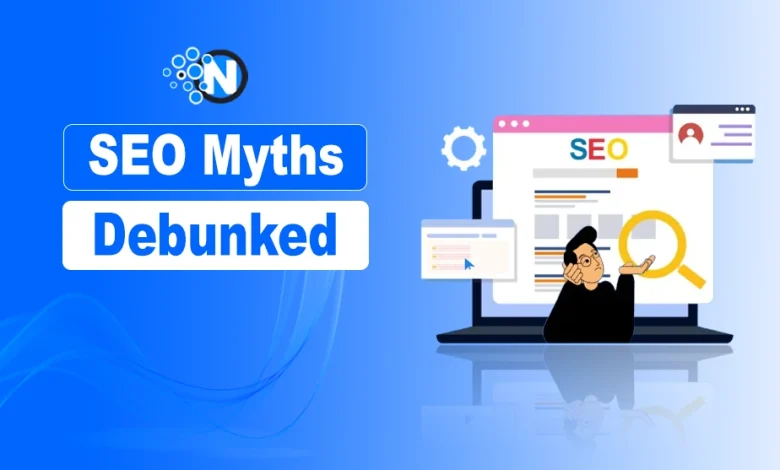
Still following old SEO advice and believing myths that hold you back? In the AI search era, outdated tactics and nonsensical myths can limit your visibility across search engines and answer-driven platforms.
With 15+ years of experience in SEO, I’ve seen algorithm updates, ranking shifts, and SEO trends come and go. But few changes have reshaped search as quickly as AI-powered results, conversational assistants, and zero-click answers.
Users now expect fast, accurate responses instead of scrolling through pages of links. Platforms like Google AI Overviews and other generative search tools are changing how people discover information and choose which sources to trust.
In this guide, I’ll break down the most common SEO myths you should ignore in the AI search era and explain what actually works today, including AEO, GEO, trust signals, and modern search visibility strategies.
What Are SEO Myths?
SEO myths are outdated or misleading beliefs about how search engines rank and evaluate content, often based on practices that no longer work in today’s AI-driven, intent-focused search environment.
These myths usually come from older SEO strategies that were once effective but have been replaced by more advanced systems.
In the past, tactics like keyword stuffing, mass backlink building, or publishing large volumes of content could influence rankings. Today, search engines and Large Language Models (LLMs) focus more on user intent, content quality, topical authority, and trust signals.
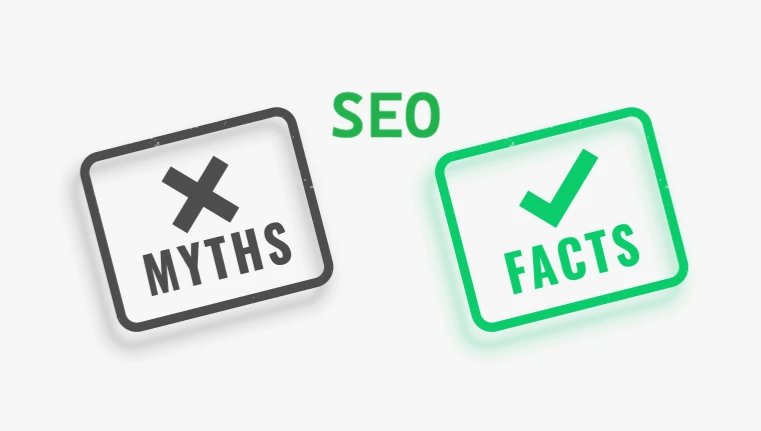
SEO Myths You Should Ignore in 2026
1. SEO Is Dead Because of AI
The idea that SEO is dead comes from misunderstanding how AI search works. AI systems like ChatGPT, Perplexity, and Claude don’t replace SEO; they depend on it. Every AI-generated answer is extracted from indexed, structured, and trusted content sources, which means SEO is still the foundation of visibility.
- Reality:
- AI uses existing web content as its primary data source
- Structured, optimized content is more likely to be cited
- SEO now feeds AI search, not just Google rankings
- What to do instead:
- Optimize content for answers, not just rankings
- Focus on topical authority and clarity
- Create content that AI systems can easily extract
2. SEO Is Just About Keywords
Many still believe inserting keywords into content is enough to rank, but modern search engines understand intent, context, and meaning far beyond simple keyword matching. Over-optimization can even reduce readability and trust.
- Reality:
- Search engines analyze intent and semantics
- Entities and topics matter more than keyword repetition
- Tools like Ahrefs and Semrush show intent-based data
- What to do instead:
- When doing keyword research, focus on user intent and problem-solving
- Use entity-based and topic-focused content
- Write naturally with a clear structure
3. More Content Means Better Rankings
Publishing more content used to increase visibility, but today it can dilute your authority if the quality is low. One key reason this myth fails today is that search engines evaluate content based on E-E-A-T.
Publishing more content without real experience or value weakens your authority instead of strengthening it.
- Reality:
- Low-quality or repetitive content reduces authority
- AI systems prefer high-value, well-structured content
- Content pruning and updates are now essential
- What to do instead:
- Improve and update existing articles
- Focus on depth, examples, and insights
- Build fewer but stronger content pieces
4. Backlinks Are the Only Ranking Factor
Backlinks are still important, but relying on them alone is outdated. Modern search evaluates a broader set of trust signals, including brand mentions, reputation, and content credibility.
- Reality:
- AI systems consider mentions, citations, and context
- Not all backlinks carry equal value
- Authority is built across multiple platforms
- What to do instead:
- Focus on brand building and digital PR
- Earn mentions on authoritative sites
- Strengthen overall content credibility
5. You Can Trick Search Engines
Old SEO tricks like keyword stuffing or hidden text no longer work in modern search environments. These are classic SEO mistakes that can harm your visibility. AI-driven systems are designed to detect manipulation and prioritize genuine, helpful content.
- Reality:
- Manipulative tactics are easily detected
- Poor practices can reduce visibility or trust
- Search engines reward user-focused content
- What to do instead:
- Follow ethical, long-term SEO strategies
- Focus on clarity, usefulness, and trust
- Build content for users first, not algorithms
6. AI Content Hurts SEO
There’s a common misconception that AI-generated content is penalized, but the real issue is quality, not the tool used to create it. High-quality AI-assisted content can perform well if it delivers value.
- Reality:
- Search engines evaluate content quality, not origin
- Low-value content performs poorly, whether AI or human
- AI can improve efficiency when used correctly
- What to do instead:
- Use AI as a support tool, not a replacement
- Add human expertise and insights
- Ensure accuracy and originality
7. Ranking #1 Is Enough
Ranking first used to guarantee traffic, but AI search is changing that behavior. Users now often get answers directly from AI, reducing clicks and increasing the importance of being cited.
- Reality:
- Many searches end without clicks
- AI systems summarize and recommend content
- Visibility now includes AI citations and mentions
- What to do instead:
- Optimize for featured snippets and AI answers
- Structure content clearly with direct responses
- Build authority to increase citation chances
8. SEO Delivers Instant Results
SEO has never been instant, and in 2026, it still requires time to build authority and trust. Quick wins are rare, especially in competitive niches.
- Reality:
- SEO is a long-term growth strategy
- Authority builds gradually over time
- Consistency matters more than speed
- What to do instead:
- Focus on long-term content strategy
- Track growth beyond rankings
- Stay consistent with updates and improvements
Reliable SEO services focus on long-term growth strategies rather than quick wins, ensuring sustainable rankings and consistent visibility over time.
What Is Modern SEO?
Modern SEO is no longer limited to optimizing for search engines; it has evolved into a multi-layered visibility strategy that ensures your content is discoverable, understandable, and usable across both traditional search engines and AI systems.
The goal is not just to rank, but to:
- Answer user queries directly
- Get featured in AI-generated responses
- Build authority across platforms
- Maintain consistent brand visibility
What Actually Works in Modern SEO
To succeed in 2026, your strategy should include:
- Clear, Answer-Focused Content: Write in a way that answers questions quickly and clearly.
- Strong Content Structure: Use headings (H1-H6), short paragraphs, and logical flow to make content easy to understand, for both users and AI.
- Technical SEO: Optimize for mobile, page load speed, and update robots.txt.
- Topical Authority: Cover topics deeply instead of creating scattered content.
- Internal Linking: Connect related articles naturally to build context and authority.
- Brand Building: Build visibility beyond your website through mentions, collaborations, and content distribution.
- Continuous Updates: Refresh content regularly to keep it relevant and accurate.
Conclusion: SEO Is Evolving—Not Disappearing
SEO in 2026 is no longer about shortcuts or outdated tactics. It’s about building trust, authority, and clarity across both search engines and AI systems. If you stop following myths and start focusing on modern strategies, you won’t just rank, you’ll be:
- Featured in answers
- Recommended by AI
- Trusted by users
That’s the real goal of SEO today.
FAQs about SEO Myths
Common SEO myths include believing SEO is dead, relying only on keywords, publishing more content for better rankings, and thinking backlinks are the only ranking factor.
AI has shifted SEO from keyword-based optimization to intent, context, and authority-based strategies.
Modern SEO combines traditional SEO with AEO, GEO, and AI optimization to improve visibility across search engines and AI platforms.
Yes, SEO remains essential, but it now works alongside AI-driven search systems.
No, only low-quality content harms SEO, regardless of how it is created.
Focus on clear answers, structured content, and building authority across platforms.