- Social media is now a complete sales ecosystem.
- Content must align with the buyer journey to boost sales
- Short-form video is the most powerful conversion tool.
- AI and personalization are reshaping social media marketing.
- Trust, relatability, and urgency drive purchasing decisions.
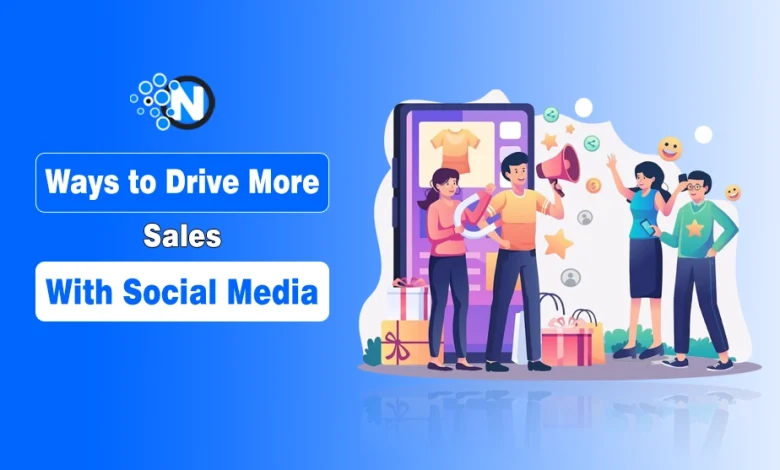
Social media has completely transformed how businesses generate sales. What once started as a communication and branding tool has now evolved into a powerful revenue-generating ecosystem where discovery, engagement, and purchasing happen in one place.
In 2026, this shift is even more pronounced. With over 5 billion global users and billions of dollars flowing through social commerce, businesses that use social media strategically are seeing massive growth.
But simply being active on social media platforms is no longer enough. To drive real sales, brands must align their strategy with modern consumer behavior, AI-driven discovery, and platform-specific trends.
This guide explains the most effective ways to turn social media into a consistent sales engine.
What is the Role of Social Media in Boosting Sales?
Before diving into strategies, it’s important to understand how social media marketing influences buying decisions today.
Modern consumers don’t follow a simple buying journey anymore. Instead, they:
- Discover products through short videos or posts
- Validate them through reviews, comments, or influencers
- Interact with brands through messages or live sessions
- Purchase directly within the platform
In fact, 82% of consumers now use social media to discover and research products, making it a critical part of the sales funnel.
This means businesses must focus not just on visibility, but on guiding users toward conversion.
How to Drive More Sales with Social Media? Key Strategies
1- Optimize Your Profiles for Conversion
Your social profile is your storefront. Most businesses treat it as a billboard, a mistake that silently kills conversions every day. Before you spend a single dollar on ads, make sure your profile is doing its job.
To optimize your social profiles:
- Write a bio that clearly states who you help and what outcome you deliver, not just what you sell
- Add a single, strong call-to-action link (use Linktree or a custom landing page to consolidate traffic)
- Enable shopping tags on Instagram and Facebook to let posts become product pages instantly
- Pin your best-converting content, testimonials, or offers to the top of your profile
- Use a consistent brand aesthetic, colour, tone, and visual language should be unmistakable
2- Build a Full-Funnel Social Media Strategy
One of the biggest mistakes businesses make is posting content without a clear goal. To drive sales, your content must align with the customer journey.
Awareness Stage: This is where users first discover your brand.
Focus on:
- Educational content
- Entertaining or trending videos
- Problem-solving posts
Consideration Stage: At this stage, users are evaluating options.
Use:
- Product demonstrations
- Tutorials and comparisons
- Customer reviews and testimonials
Conversion Stage: Here, the goal is to turn interest into action.
Include:
- Strong calls to action
- Limited-time offers
- Product-focused content
A structured funnel ensures that your content is not just engaging but strategically designed to convert.
3- Master Platform-Specific Marketing Strategies
Each social media platform has its own behavior, audience expectations, and algorithm. Success depends on adapting your strategy accordingly.
- TikTok is driven by discovery and short-form video. It works best for reaching new audiences and driving product awareness through engaging storytelling and trends.
- Instagram is ideal for branding and visual presentation. Reels, carousels, and product tagging play a major role in both engagement and conversions.
- Facebook remains strong for paid advertising and retargeting. It is particularly effective for reaching older demographics and driving direct conversions through ads.
- LinkedIn is best suited for B2B marketing. It helps build authority through thought leadership, case studies, and professional insights.
Focusing on two to four platforms and maintaining consistency across them typically delivers better results than trying to be everywhere.
4- Create Content That Converts: Psychology Behind Social Media Sales
To drive sales, your content must tap into human behavior and decision-making triggers.
Core Psychological Drivers are:
Trust: People buy from brands they trust.
You should use:
- Testimonials
- Reviews
- Behind-the-scenes content
Relatability: People engage with content they see themselves in.
You should use:
- Real-life scenarios
- User stories
- Problem-based content
Authority: Expert positioning increases conversions.
You should use:
- Data-backed insights
- Tutorials
- Thought leadership
Urgency (FOMO): People act faster when they fear missing out.
You should use:
- Limited-time offers
- Countdown timers
- Exclusive deals
When these elements are combined effectively, content moves beyond engagement and starts driving real business results.
5. Short-Form Video Strategy (The Sales Engine)
Short-form video continues to dominate social media because it captures attention quickly and communicates value efficiently. An effective video structure typically includes:
- A strong hook in the first few seconds
- A clear problem statement
- A practical solution or product demonstration
- Proof through results or testimonials
- A clear call to action
This format aligns with how users consume content and significantly improves conversion rates.
6. Social Commerce: Turning Content into Revenue
The biggest change in recent years is the rise of in-app purchasing. Social platforms have evolved into complete shopping environments. Users can now browse, evaluate, and purchase products without leaving the app. Customers can now:
- Discover a product
- Click on it
- Buy instantly
How to leverage social commerce:
- Tag products in posts and videos
- Use live shopping sessions
- Optimize product descriptions
The goal is to reduce friction between discovery and purchase.
7. Influencer & Creator Marketing (Performance-Based)
Influencer marketing has shifted from brand awareness to performance-based collaboration. Micro-influencers are particularly effective because they:
- Have higher engagement rates
- Build stronger connections with their audience
- Drive more targeted conversions
Working with multiple niche creators and allowing them to present products in their own voice leads to more authentic and effective campaigns.
8. AI in Social Media Marketing
Artificial intelligence is now deeply integrated into social media marketing strategies. Social media experts use several AI tools for:
- Automating customer interactions through chatbots
- Personalizing product recommendations
- Generating content ideas and insights
- Optimizing ad targeting and performance
AI allows businesses to deliver more relevant experiences, which directly impacts conversion rates.
9. Community Building for Long-Term Growth
Building a community around your brand creates long-term value beyond one-time sales.
Strong communities:
- Encourage repeat purchases
- Generate organic word-of-mouth promotion
- Improve engagement and visibility
To build a community:
- Respond actively to comments and messages
- Encourage discussions and feedback
- Create spaces where users can interact with your brand and each other
This not only builds your brand authority in the industry, but positive community engagement also works as a long-term sales infrastructure.
10. Paid Advertising That Feels Organic
Modern users are highly resistant to traditional ads. Content that feels native to the platform performs significantly better.
Effective paid strategies include:
- Using user-generated style content
- Focusing on storytelling rather than direct selling
- Promoting content that already performs well organically
This paid ads approach improves both engagement and return on investment.
The Bottom Line
Driving sales with social media in 2026 requires treating it as a complete revenue channel, not just a content sharing platform.
The most effective businesses combine optimised profiles, native social commerce, trust-building UGC, strategic paid campaigns, genuine community engagement, and rigorous measurement into a single, cohesive system.
Start with one platform where your audience already lives. Master the fundamentals there before expanding.
People Also Ask
It attracts potential customers, builds trust through content and engagement, and converts them using targeted offers and social proof.
Short-form videos, product demonstrations, testimonials, and influencer collaborations drive the highest conversions.
Consistency matters more than frequency. Posting 3–5 times per week with high-quality content is generally effective.
Not always, but it significantly accelerates growth and helps reach targeted audiences faster.
The shift toward AI-driven personalization and social commerce (in-app buying) is the biggest trend shaping the future.
Social media driving sales is the process of using platforms like Instagram, TikTok, Facebook, and LinkedIn to turn audience engagement into actual purchases.