ChatGPT Can Now Read, Write, and Send Your iMessages, and Apple Isn’t Happy About It
OpenAI launched a Mac plugin letting ChatGPT read, draft, and send iMessages on a user's behalf, raising fresh privacy tension with Apple.

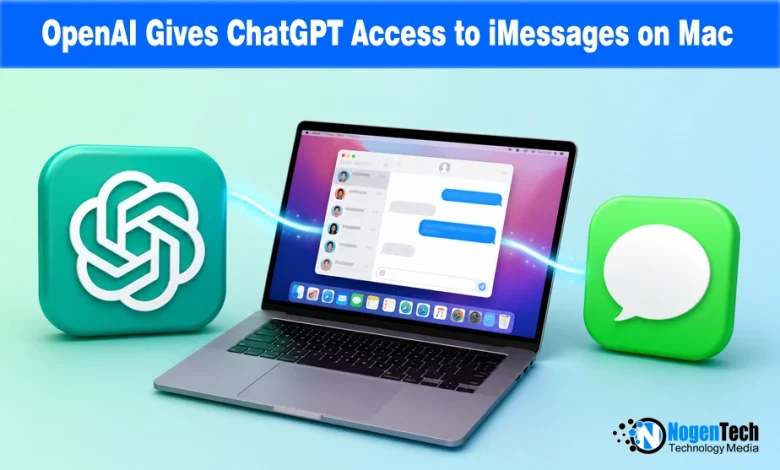
OpenAI rolled out a new Apple Messages plugin for ChatGPT on Thursday, letting Mac users connect their iMessage inbox to sort, summarize, search, draft, and send texts. It also works with Codex and ChatGPT Work, expanding the feature to professional workflows.
The launch comes at a genuinely awkward moment for the two companies as Apple sued OpenAI last month over alleged theft of confidential product information.
Separately, Apple has spent years building its brand around protecting exactly the kind of private message data this new plugin now asks users to hand over.
What the Plugin Actually Does, and What It Takes to Turn On
The official X advertisement clip shows that the plugin lets users ask ChatGPT to suggest follow-up messages, delete messages, draft and send texts, or search their message history.
Bloomberg reported that setting it up requires Full Disk Access in macOS System Settings, granting ChatGPT permission to access contact names, and approval for automation tools, the same kind of deep approvals required by Codex Computer Use.
OpenAI explicitly discourages persistent approval for sending messages, warning that it removes the user’s final chance to review a message before the AI assistant sends it.
This highlights how the feature’s most convenient setting is also its riskiest.
OpenAI’s Reassurance, and the Part That Still Isn’t Clear
OpenAI told Bloomberg the plugin runs locally on a user’s machine and does not create an index of all messages. It uses macOS tools like AppleScript and Accessibility to interact with the Messages app instead of routing everything through OpenAI’s servers by default.
TechCrunch noted that what “doesn’t create an index” means in practice remains unclear and said it had contacted OpenAI for more details but received no immediate response.
That ambiguity matters because local processing and message content still have to reach ChatGPT’s cloud model to generate a summary or draft a reply.
It clearly means some data transmission is inherent to how the feature works, even if most message history stays off OpenAI’s servers.
A Feature That Doubles as a Preview of the Coming Siri Fight
What makes this launch worth scrutiny is its overlap with Apple’s upcoming Siri AI.
Bloomberg noted that Siri is being built to comb through a user’s messages and on-device content, a capability Apple has treated as an edge over third-party chatbots because it works natively.
OpenAI is offering similar functionality first through a Mac plugin rather than an approved system integration, putting pressure on Apple’s timeline and its history of blocking unofficial iMessage access.
The same instinct that led to Apple’s shutdown of Beeper Mini’s iMessage on Android bridge.
An Apple spokesperson, however, did not respond to Bloomberg’s request for comment.
This silence is notable given Apple’s protection of its messaging ecosystem and separate lawsuit against OpenAI, while its rival AI model gains access to iMessage content ahead of its own Siri AI push.
Source: ChatGPT Can Now Control iMessage, Potentially Raising Apple Privacy Concerns