- Cheap Blockchain development often leads to expensive long-term problems.
- Security and code quality are critical in blockchain projects.
- Avoid vendor lock-in by ensuring full ownership of code.
- Always evaluate total cost of ownership, not just hourly rates.
- Choose partners based on expertise, transparency, and support.
Launching a blockchain product is not just about getting to market fast; it’s about surviving in production.
Many projects fail not because the idea is weak, but because of preventable execution mistakes: proprietary code that locks you into a vendor, unaudited smart contracts, or development teams that disappear after deployment.
Choosing a vendor based on the lowest price often leads to the highest long-term cost. Clean architecture, audited contracts, and ongoing support are what separate scalable blockchain products from those that break under real-world usage.
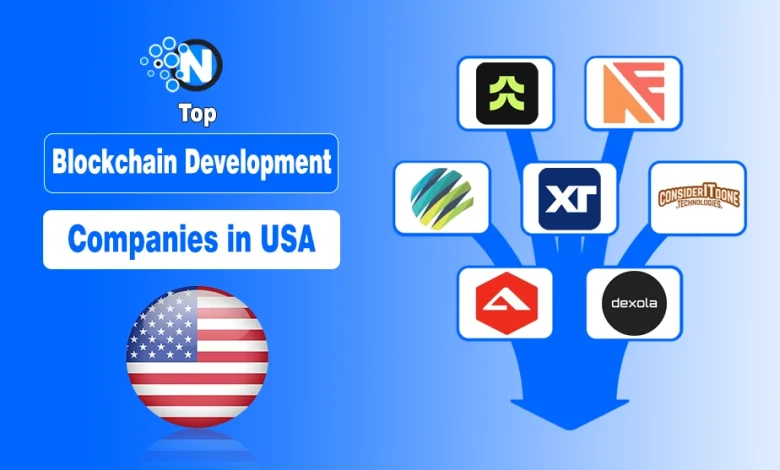
This guide looks at the 7 best US-based blockchain development companies in the USA with proven delivery records. Each profile focuses on real-world delivery capability, technical depth, and long-term support, so you can evaluate partners on what actually matters in 2026.
What Do Blockchain Development Companies Actually Do?
Blockchain development companies build decentralized applications (dApps), crypto wallets, smart contracts, and blockchain-based systems that enable secure, transparent, and automated digital transactions.
In practice, their work typically includes:
- Smart contract development and auditing
- dApp design and development
- Token creation and tokenomics design
- Blockchain integration with existing systems
- Infrastructure setup (nodes, validators, cloud environments)
- Ongoing maintenance and upgrades
The best firms go beyond coding; they help design systems that are secure, scalable, and aligned with your business model.
7 Blockchain Development Companies in the USA Worth Shortlisting
Use the table below to quickly compare vendors by Clutch ratings, price ranges, and high-level business fit. Then read the profiles for deeper technical and security details.
| Company | Clutch rating | Rate (USD/hr) | Best fit | Strengths |
| OmiSoft | 5.0 (29) | $25–$49 | Small businesses & startups building DeFi, exchanges, NFT, Web3 gaming, Telegram apps | 110+ team, 70+ blockchain projects, GDPR & MiCA compliant, 100% Upwork Job Success, strong DeFi + tokenomics, cross-chain, Telegram Mini Apps. |
| AE Studio | 5.0 (24) | $200–$300 | Founders needing CTO-level guidance for AI‑driven blockchain/NFT products | 323 projects, $1B+ raised by clients, top 1% on CodersRank, deep AI + product strategy, NFTs and Web3 integrations. |
| Consider It Done Tech | 4.9 (16) | $50–$99 | Teams racing to market with blockchain infra, validators, and high‑uptime nodes | 4‑week MVPs, fixed budgets, strong DevOps and infra‑as‑code, PoS validators, uptime and monitoring. |
| Xicom Technologies | 4.8 | $25–$49 | Enterprise & midmarket needing cost‑efficient blockchain plus full software stack | Since 2002, 350+ pros, 7,500+ projects, ISO 9001, strong mobile/web + blockchain wallet & tokenization services. |
| MMC Global | 4.9 (17) | $50–$99 | Enterprises and funded startups needing full blockchain product builds | 800+ professionals, 500+ projects, $800M+ funding facilitated, end‑to‑end dApps, smart contracts, wallets, tokenization. |
| Altoros | 4.8 (34) | $50–$99 | Midmarket & Global 2000 needing cloud‑native blockchain with Fortune 500 experience | Founded 2001, 350+ engineers, 91.5% senior/mid-level, 95% retention, 7 locations, deep cloud + blockchain for regulated sectors. |
| Dexola | 5.0 (25) | $50–$99 | Web3/AI startups prioritizing UX and fast validation | 5+ years, 30+ developers, 40+ projects, strong UX/product mindset, analytics/trading tools, bots, and Web3 apps. |
1. OmiSoft
- Founded: 2017
- Clutch rating: 5.0 / 5 (29 reviews)
- Hourly rate: $25–$49
- Client industries: Fintech & DeFi, crypto & digital assets, real estate, healthcare & telemedicine, eCommerce, education, gameDev
- Business fit: Small businesses and startups building blockchain‑native products that need deep tokenomics expertise, cross-chain architecture, and high‑performance decentralized systems.
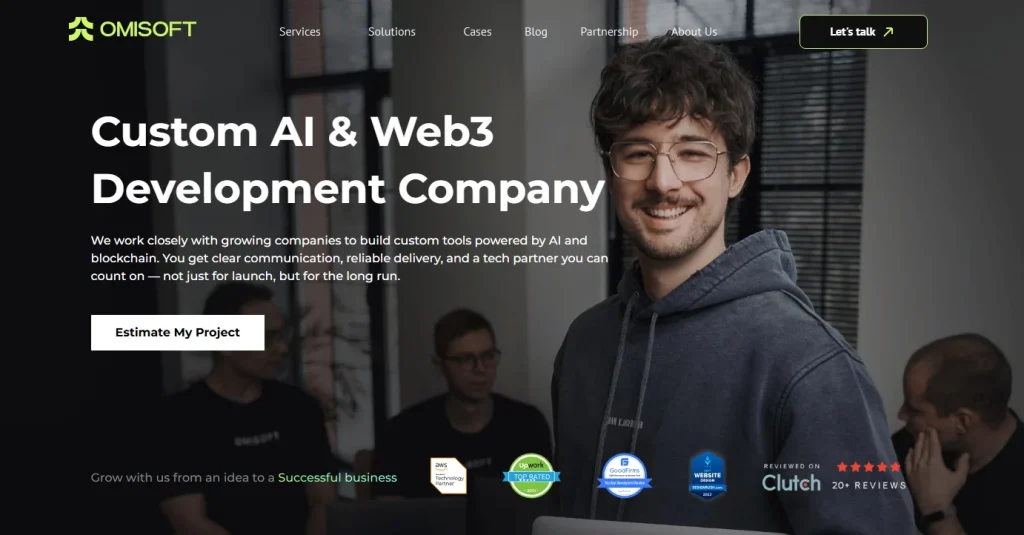
OmiSoft is a blockchain‑focused development company with 7+ years dedicated almost exclusively to Web3 and decentralized technologies. Its 110+ person team specializes in blockchain engineering and crypto‑native applications rather than treating blockchain as a side service.
The company has delivered 70+ blockchain projects, maintains GDPR and MiCA compliance, holds a 100% Job Success rate on Upwork with Top Rated status, and is recognized on Clutch, GoodFirms, and DesignRush.
The team operates across two connected disciplines:
- Blockchain engineering: smart contracts, DeFi protocols, DEX/CEX platforms, NFT marketplaces, DAO solutions, tokenization.
- AI integration for blockchain apps: LLM‑based chatbots, personalization engines, anti‑fraud/anti‑cheat systems.
OmiSoft also specializes in Telegram Mini Apps with Web3 and iGaming mechanics, blockchain gaming, cross‑chain architectures, and white‑label Web3 solutions across Ethereum, Solana, TON, Polygon, BSC, Arbitrum, Optimism, Avalanche, Cosmos, and Polkadot.
2. AE Studio
- Founded: 2016
- Clutch rating: 5.0 / 5 (24 reviews)
- Hourly rate: $200–$300
- Client industries: IT, business services, media, consumer products, healthcare, eCommerce
- Business fit: Founders and executives building high‑stakes AI‑powered products, blockchain/NFT platforms, or custom software in healthtech, media, or fintech who need a partner that can act as a fractional CTO.
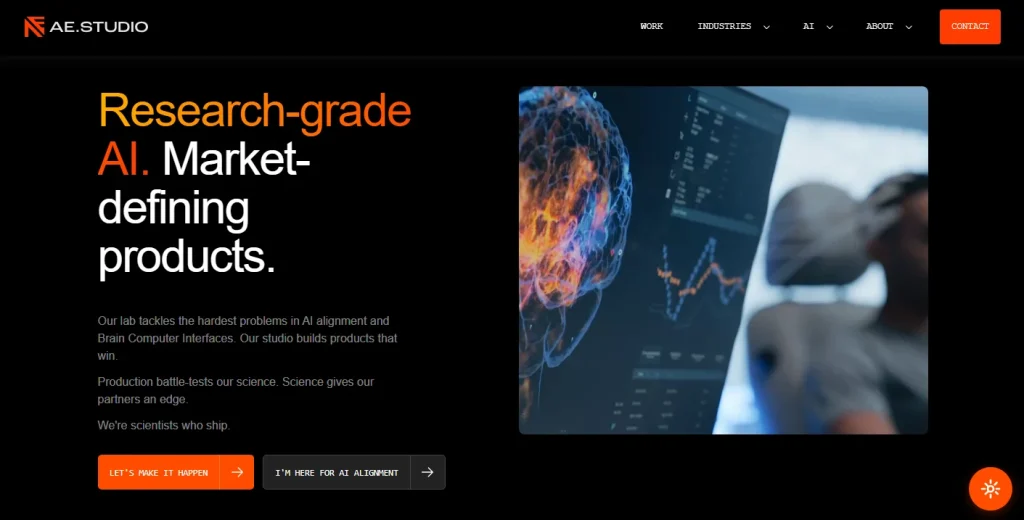
AE Studio ranks in the top 1% on CodersRank with 323+ completed AI, data, software, and blockchain projects. Clients have raised more than $1B in funding.
The company provides end‑to‑end support:
- Product and market research
- Smart contracts (immutable and upgradeable via proxies)
- dApp and platform development
- Analytics, data science, and growth support (marketing/community)
AE Studio is a fit when your project is complex, AI‑heavy, and needs strategy + execution rather than just a delivery team.
3. Consider It Done Technologies
- Founded: 2016
- Clutch rating: 4.9 / 5 (16 reviews)
- Hourly rate: $50–$99
- Client industries: IT, financial services, healthcare, real estate
- Business fit: Small and midmarket companies racing to market with blockchain infrastructure, validators, protocol‑level environments, or high‑uptime node deployments.
Consider It Done Technologies focuses on rapid deployment of blockchain infrastructure, often delivering MVP‑level solutions in 4 weeks on fixed budgets.
Core capabilities include:
- PoS validator deployment, slashing protection, and uptime monitoring
- App‑chain and subnet deployment
- Chain upgrades and governance support
- High‑availability architectures with sentry nodes and failover validators
The team is particularly strong in DevOps and infra‑as‑code (Terraform, Ansible), blockchain CI/CD, throughput optimization, secure VPCs, and compliance‑ready setups.
4. Xicom Technologies Ltd.
- Founded: 2002
- Clutch rating: 4.8 / 5
- Hourly rate: $25–$49
- Client industries: IT, healthcare, media, financial services, eCommerce
- Business fit: Enterprise and midmarket companies seeking a cost‑competitive, ISO 9001‑certified partner for blockchain plus broader software and mobile app development.
Xicom is an ISO 9001‑certified development company with 350+ IT professionals. Since 2002, it has delivered 7,500+ projects for over 1,500 clients worldwide and is a premium partner of organizations such as BBB, NASSCOM, and STPI.
Blockchain services include:
- dApp development
- Smart contract creation and auditing
- Private blockchain implementation
- Multi‑sig blockchain wallets
- Tokenization for real estate, art, equities, and IP
- Integration with existing enterprise systems
For many US clients, Xicom is appealing when blockchain is part of a larger multi‑channel product (web, mobile, backend) and cost control is a priority.
5. MMC Global
- Founded: 2013
- Clutch rating: 4.9 / 5 (17 reviews)
- Hourly rate: $50–$99
- Client industries: Real estate, education, hospitality, automotive, financial services, government
- Business fit: Enterprise clients and well‑funded startups needing full blockchain product development with a strong funding and growth track record.
MMC Global employs 800+ tech professionals serving the US, Europe, and the Middle East. The company has delivered solutions for 800+ organizations, facilitated $800M+ in startup funding, and completed 500+ projects. It has been recognized as an “App Development Company of the Year” by Entrepreneur and CIO Review.
Blockchain services cover:
- dApps across finance, healthcare, logistics, and gaming
- Smart contract development and auditing
- Private blockchains
- Wallets with multi‑sig and 2FA
- Tokenization services
- Integrations with existing systems
MMC is a fit when you want a full product build (strategy + design + development) rather than just a smart contract vendor.
6. Altoros
- Founded: 2001
- Clutch rating: 4.8 / 5 (34 reviews)
- Hourly rate: $50–$99
- Client industries: Healthcare, education, financial services, advertising & marketing, automotive, energy, manufacturing, real estate
- Business fit: Midmarket and Global 2000 organizations needing blockchain solutions integrated into cloud‑native and enterprise architectures, delivered by senior engineers with Fortune 500 experience.
Altoros employs 350+ engineers across 7 global locations. Many Fortune 500 clients have worked with Altoros for over a decade. The team is 91.5% senior- and mid-level, with 30% dedicated to R&D, and a 95% retention rate.
They deliver blockchain as part of a broader stack that includes cloud‑native development, big data, IoT, and AI.
Altoros offers:
- 72‑hour kickoff with pre‑set teams
- Result‑based pricing to reduce budget overrun risk
- Near‑time‑zone teams for US clients
- A 2‑week “unbound trial” model for new engagements
7. Dexola
- Founded: 2017
- Clutch rating: 5.0 / 5 (25 reviews)
- Hourly rate: $50–$99
- Client industries: Financial services, IT, gaming, media, business services, advertising & marketing
- Business fit: Small businesses and midmarket startups building Web3 and AI applications that prioritize UX and rapid validation.
Dexola has 5+ years of blockchain experience, a team of 30+ developers, and 40+ completed projects. The firm combines Web3 and AI capabilities with a strong focus on user experience and adoption, not just technical delivery.
Blockchain capabilities include:
- Blockchain analytics and market data tools
- Automated trading strategies and bots
- Portfolio and risk management tools
- Web3 application development with ongoing support and updates
Dexola is best when you need a product‑minded team that can help validate a use case, refine UX, and ship quickly while keeping an eye on real user behavior.
Common Risks When Choosing Blockchain Development Companies in the USA
To choose the right partner, you first need to understand the most common ways blockchain projects fail.
1. Choosing based on hourly rate alone
A low hourly rate can be misleading. Inexperienced teams often take longer, produce inefficient code, and require costly fixes later. What looks cheaper upfront can quickly turn into a rebuild.
How to avoid it:
- Compare the total project cost (development + audits + infrastructure + 6–12 months of support), not just the hourly rate.
- Ask for detailed estimates by phase and what is included (testing, audits, deployment, support).
2. Vendor lock-in through proprietary code
Some vendors retain IP rights to critical components or deliver incomplete source code. You become dependent on them for any change, with no realistic way to switch vendors or maintain the system internally.
How to avoid it:
- Review IP ownership and licensing terms before signing.
- Ensure your contract guarantees full access to the source code, documentation, and deployment scripts.
- Request access to repos during development so you can verify you are receiving complete, documented code.
3. Poor communication and no project visibility
Projects fail quietly when you cannot see what is happening. How to avoid it:
- Define communication requirements in the contract (weekly status calls, demo cadence, reporting format).
- Require weekly updates that cover: what was delivered, current blockers and risks, plan for the next sprint
- Request access to project management tools (Jira, Linear, Trello) for real-time visibility.
How to Compare Finalists and Make the Right Vendor Decision?
Once you’ve shortlisted 3–5 blockchain development companies that fit your basic requirements, use a simple but structured process to pick a final partner.
1. Build a weighted evaluation matrix
Create a spreadsheet with criteria tailored to your project, for example:
- Smart contract and protocol expertise
- Security practices and audit experience
- Relevant case studies in your industry
- Team seniority and continuity
- Communication quality and transparency
- Timeline realism and delivery track record
- Total cost of ownership
Score each vendor 1–10 for each criterion, apply weights to reflect your priorities, and compare total scores rather than rely on gut feel.
2. Request detailed technical proposals
Ask finalists for written technical proposals that clearly explain:
- Architecture and technology stack
- Security measures (testing, audits, key management)
- Integration plans with your existing systems
- Assumptions, risks, and mitigation strategies
Vague, generic proposals are a warning sign. Detailed, specific approaches show real domain understanding.
3. Verify team composition and availability
Clarify:
- Who exactly will work on your project
- How much of their time is dedicated (full‑time vs part‑time)
- Whether the same team stays involved post‑launch
Stable, mostly dedicated teams deliver faster and reduce knowledge loss.
4. Compare the total cost of ownership
Look beyond the initial quote:
- Development
- Third‑party security audits
- Infrastructure and hosting
- Deployment and support for 6–12 months
The cheapest proposal often excludes audits and support, thereby significantly increasing the real cost.
5. Validate references and production work
Talk to 2–3 recent clients for each finalist. Ask about:
- How the vendor handled unexpected problems
- Communication under pressure
- Quality of the final deliverables
- Whether the project went live and stayed in production
- Post‑launch support quality
Where possible, verify on‑chain evidence (contract addresses, TVL, usage) for claimed DeFi or Web3 products.
Conclusion: Build for Longevity, Not Just Launch
Choosing a blockchain development company is not only a hiring decision, but a long-term partnership that directly impacts product security, scalability, and survival.
The companies listed above represent a mix of startup-friendly teams, infrastructure specialists, and enterprise-grade partners. The right choice depends on your goals, technical requirements, and growth stage.
Focus on code quality, transparency, and long-term support, and use structured evaluation methods to avoid costly mistakes.
FAQs
A blockchain development company builds decentralized applications, smart contracts, and blockchain-based systems for businesses, including DeFi platforms, NFTs, and enterprise solutions.
Costs typically range from $25 to $300 per hour depending on expertise, with total project costs varying based on complexity, security audits, and ongoing support.
Focus on smart contract expertise, security practices, proven case studies, communication transparency, and long-term support capabilities.
Blockchain systems are immutable, meaning bugs or vulnerabilities cannot be easily fixed after deployment, making secure coding and audits critical.