During my 10 years of working in the digital marketing industry, I have seen search optimization evolve from simple keyword targeting into a data-driven strategy focused on user intent, technical performance, and content quality.
Search engine optimization is also no longer limited to agencies and experienced marketers. Modern DIY SEO software allow bloggers, entrepreneurs, startups, and small businesses to manage optimization campaigns without hiring expensive professionals.
From keyword research and technical SEO audits to AI-powered content optimization and competitor analysis, these tools help bloggers, startups, and businesses improve rankings more efficiently.
However, the best SEO software is not just about features. It is about using the right data to build long-term organic visibility in both traditional and AI-driven search results.
- DIY SEO platforms help businesses manage optimization without hiring agencies.
- Modern SEO software includes AI-powered content and technical SEO features.
- Traditional SEO fundamentals still matter in AI-driven search environments.
- Semrush and Ahrefs remain leading all-in-one SEO platforms.
- GEO and AI visibility tracking are becoming important SEO features in 2026.
Understanding the DIY SEO Software
DIY SEO Software is a digital tool that enables individuals and businesses to optimize their SEO strategy according to their own preferences and requirements.
Generally, these platforms exhibit several built-in tools for vital activities, like keyword research, site auditing, and competitor analysis.
Hence, they provide essential insights and strategies to improve your site’s visibility and rank it at the top of search engine results pages. One of the most significant advantages of the best DIY seo tools is that they eliminate the need for an external expert.
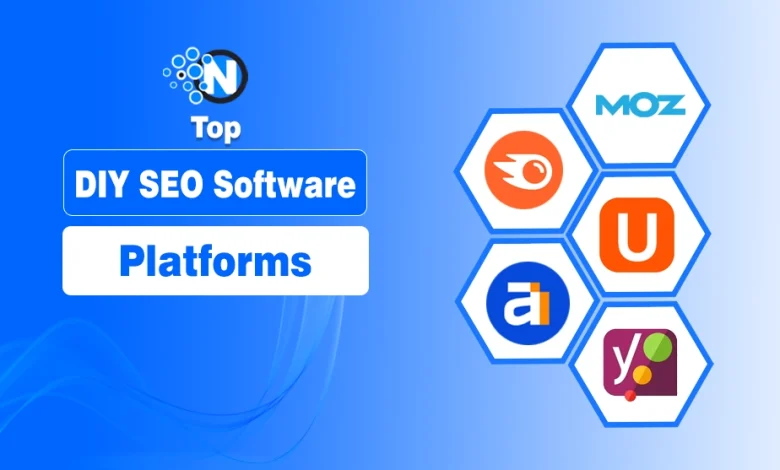
Top 5 DIY SEO Software Platforms
After testing and hands-on experience, NogenTech team has created a list of the most popular do-it-yourself SEO software:
Verdict Title.
1. SEMrush
2. Ahrefs
3. Moz
4. Ubersuggest
5. Yoast SEO
1. SEMrush
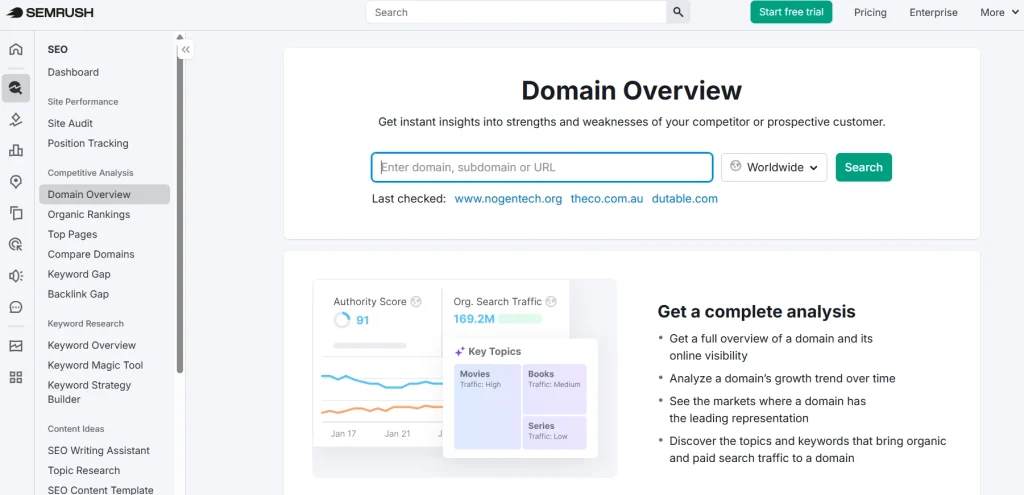
SEMrush is an all-in-one DIY seo platform and the foremost priority of SEO experts because of its comprehensive DIY solutions. It is one of the best platforms to perform numerous activities necessary for proper search engine optimization.
Many built-in tools are integrated into this software, which helps in keyword research, competitor analysis, and backlink auditing. The platform is especially useful for bloggers, agencies, and businesses that want complete visibility into their SEO and AI search performance without using multiple tools.
Key Features
- Keyword Magic Tool
- Domain and competitor analysis
- Technical SEO audits
- AI-powered SEO writing assistance
- Backlink tracking
- Local SEO tools
- Position tracking
Best For
- Bloggers
- Agencies
- Small businesses
- Content marketers
Pros and Cons of SEMrush
2. Ahrefs
Ahrefs is one of the best DIY SEO Software solutions in 2026. It streamlines the further task by giving you insights regarding the difficulty of ranking on a specific query.
Additionally, it is a good SEO Analyzer for domain rating and authority, helping you determine if you are worthy enough to achieve a top position. Ahrefs has evolved continuously, and now it allows you to audit your site completely for precise and more effective outcomes in this modern AI search era.
Key Features
- Extensive backlink analysis
- Site Explorer
- Keyword Explorer
- Rank tracking
- Content Gap analysis
- AI-enhanced keyword clustering
Best For
- Advanced SEO users
- Affiliate marketers
- Link-building campaigns
- Competitive research
Pros and Cons of Ahrefs

3. Moz
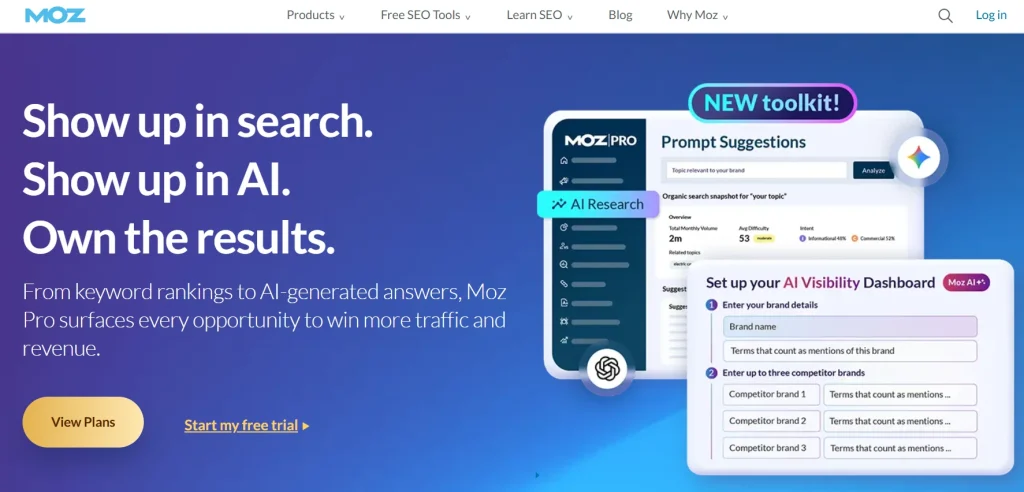
Moz is also making its way into the world of best DIY SEO Software due to its extensive accuracy in tracking keyword ranking and other vital metrics like spam score and domain authority. Moreover, it provides you with actionable insights to optimize your search engine optimization strategies.
Moz features the capability of integrating into the workflows of marketers and website owners to enable them to check their backlink profiles as well as explore opportunities for effective link-building. Thus, it is becoming an indispensable tool to enhance the website’s search visibility.
Key Features
- Keyword Explorer
- Site Crawl
- Domain Authority metrics
- Page optimization suggestions
- Link research tools
Best For
- SEO beginners
- Bloggers
- Small business owners
Pros and Cons of Moz
4. Ubersuggest
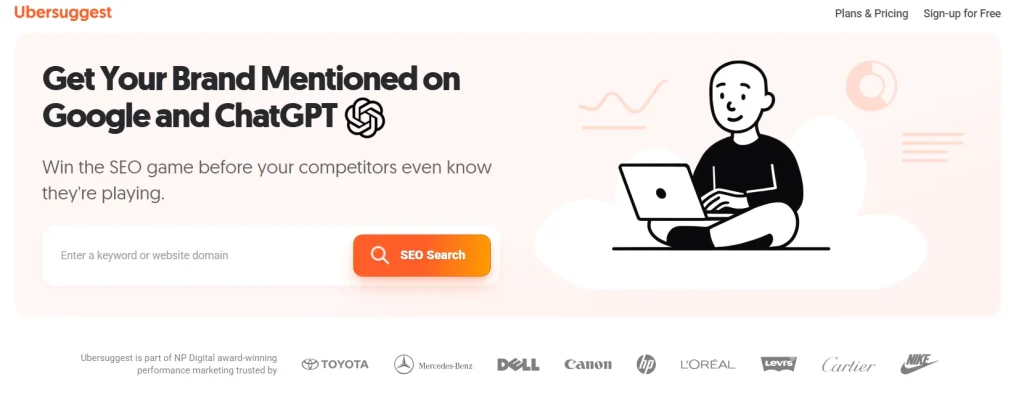
Ubersuggest has evolved from a simple keyword tool into a complete all-in-one SEO platform for beginners, bloggers, freelancers, and small businesses. Developed by Neil Patel, the platform focuses on simplicity, affordability, and AI-assisted SEO workflows.
One of the biggest advantages of Ubersuggest is its beginner-friendly dashboard. Users can perform keyword research, competitor analysis, backlink tracking, site audits, and content planning without the steep learning curve found in enterprise SEO platforms. The platform has also expanded into AI-powered content suggestions and brand visibility tracking for AI-driven search experiences.
Key Features
- Keyword research and search volume analysis
- Competitor traffic insights
- Site audit and technical SEO reports
- Backlink analysis
- AI-powered content ideas
- Rank tracking
- Content gap analysis
- SEO reports for beginners
Best For
- Beginners
- Bloggers
- Freelancers
- Small business websites
Pros and Cons of Ubersuggest
5. Yoast SEO
Yoast SEO remains one of the most trusted WordPress SEO plugins for improving on-page optimization and technical SEO. Used by millions of WordPress websites, the plugin helps users optimize content directly inside the WordPress editor without requiring advanced technical knowledge.
Over the years, Yoast SEO has expanded far beyond simple meta tag optimization. The plugin now includes AI-powered SEO suggestions, schema markup automation, readability analysis, XML sitemaps, internal linking features, and structured data support for modern search engines and AI systems.
Key Features
- Real-time SEO analysis
- Readability optimization
- Automatic XML sitemaps
- Schema markup integration
- Meta title and description editing
- Breadcrumb controls
- Internal linking suggestions
- Social media previews
- AI-generated SEO titles and descriptions
Best For
- WordPress users
- Bloggers
- Content publishers
- Small business websites
- On-page SEO optimization
Pros and Cons of Yoast SEO
Features to Look for in DIY SEO Software
Choosing the right platform depends on your goals, budget, and experience level. However, several features are now considered essential in modern SEO software.
AI-Powered Content Optimization
Many platforms now use AI to create outlines, optimize content structure, and suggest semantic keywords. AI assistance can save time while improving topical relevance.
Technical SEO Auditing
Technical SEO remains critical in 2026. Crawlability, indexing, structured data, and Core Web Vitals directly affect visibility in both traditional and AI-generated search experiences.
Competitor Analysis
Understanding how competitors rank, build backlinks, and structure content helps identify growth opportunities more effectively.
Search Intent Analysis
Modern SEO tools increasingly focus on aligning content with user intent rather than simply targeting keywords.
GEO and AI Visibility Tracking
Generative Engine Optimization (GEO) is becoming an important addition to traditional SEO. Some tools now track how brands appear in AI-generated summaries and conversational search systems.
Free vs Paid SEO Software
Free SEO tools are excellent for beginners, but they usually come with limitations on keyword tracking, reporting, and competitor data.
Paid platforms provide:
- Deeper keyword databases
- Advanced auditing
- Automation
- Historical ranking data
- Content optimization tools
- AI-assisted workflows
For many businesses, combining free tools like Google Analytics and Google Search Console with one paid SEO platform creates a balanced and cost-effective workflow.
The Right DIY SEO Software can Improve Rankings
DIY SEO software platforms have transformed how businesses approach search optimization. What once required agencies and large marketing teams can now be managed by bloggers, entrepreneurs, and small businesses using affordable, AI-powered tools.
The best platform ultimately depends on your goals. Some users need advanced competitor intelligence, while others focus on content optimization or technical SEO improvements. Instead of relying on a single “best” tool, many successful marketers now build flexible SEO stacks that combine analytics, technical auditing, keyword research, and AI-assisted optimization.
People Also Ask
What is DIY SEO software?
DIY SEO software refers to tools that help website owners manage search engine optimization tasks independently without hiring professional SEO agencies.
Which DIY SEO platform is best for beginners?
SEMrush, Moz and Google Search Console are excellent for beginners because they offer simple interfaces and easy-to-understand SEO insights.
Are free SEO tools enough for small websites?
Free tools can work for basic optimization, but growing websites often benefit from paid platforms that provide advanced keyword research, competitor analysis, and technical audits.
What features should I look for in SEO software?
Important features include keyword research, technical SEO audits, backlink analysis, content optimization, rank tracking, and competitor research.
Is AI changing SEO software?
Yes. Many modern SEO tools now include AI-powered content recommendations, search intent analysis, and GEO tracking for AI-driven search visibility.