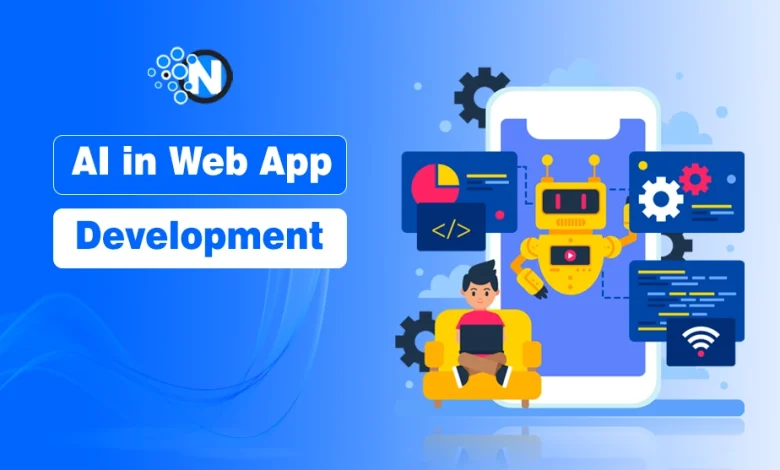
The way we build web apps today looks very different from even three years ago.
What used to take weeks of manual coding, debugging, wireframing, testing, and optimization can now be accelerated with AI-powered tools. From writing cleaner code to predicting user behavior, artificial intelligence isn’t just “helping” developers, it’s reshaping the entire workflow.
If you’re a developer, founder, or digital agency owner, this shift matters more than ever.
In this blog post, you will learn how Artificial Intelligence is transforming the world of web app development, in practical, real-world terms.
What is AI in Web App Development?
AI in web app development is the process of using AI technologies like machine learning, natural language processing (NLP), and automation tools to design, build, test, and optimize web applications more efficiently.
It helps developers automate repetitive tasks, improve user experience, and deliver intelligent, data-driven applications.
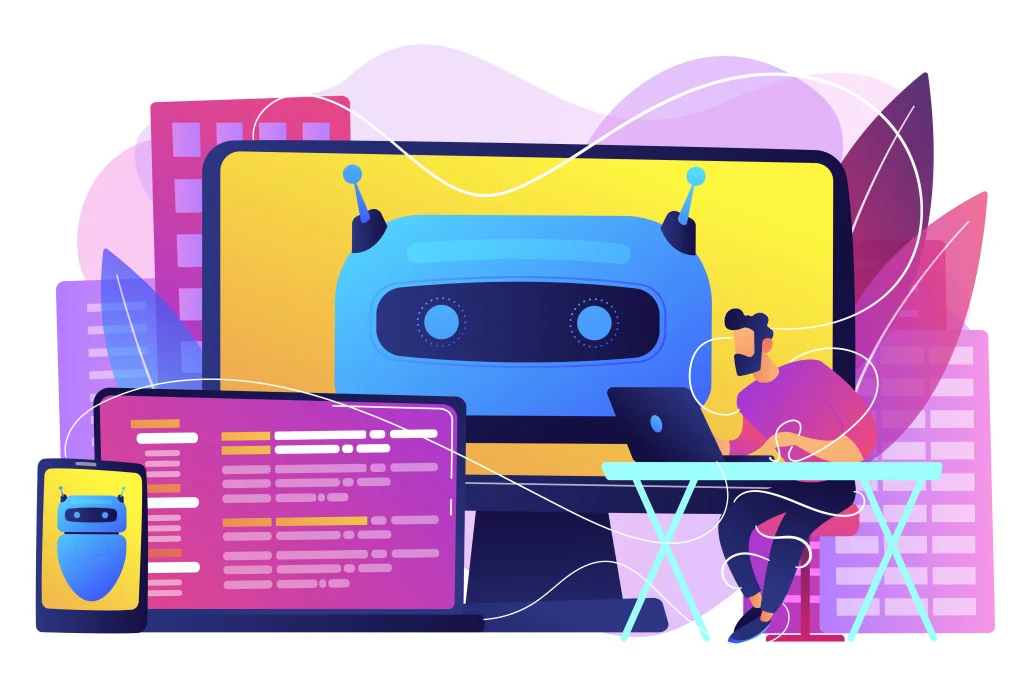
Why AI in Web App Development Matters in 2026?
Web app development has shifted from manual coding to AI-assisted workflows.
Here’s why it matters now more than ever:
- AI accelerates development cycles and reduces time-to-market
- It enables highly personalized user experiences
- AI-powered apps adapt to user behavior in real time
- Businesses gain better performance, scalability, and cost efficiency
AI is now deeply integrated into how web apps are built, not just how they function.
How AI is Transforming Web App Development?
AI impacts every stage of the development lifecycle, not just coding. Here is how
1. Smarter Development Through Automation
One of the absolute most immediate impacts AI had in the world of web development was in automation. Very powerful AI tools can now handle repetitive and time-consuming tasks like writing boilerplate code, running test cases, finding bugs, or optimizing performance.
Modern development environments integrate machine learning models that can, for example:
- Suggest or generate code snippets
- Detect vulnerabilities in real time
- Automate regression testing
- Monitor performance anomalies
Which will significantly reduce human error and shorten development life cycles big time! Teams are now able to focus much less on routine debugging and more on the important parts, such as architecture, innovation, and user-centric improvements.
This will improve the productivity of every team, which can allow the routine tasks to be done by AI.
This shift is especially powerful for startups and independent developers. It is now possible to build an app with AI, which will lower the difficulty bar and give more people the opportunity to bring out their own app.
2. A Personalized User Experience That Is Powered by AI
User expectations have shifted dramatically in recent years. Static interfaces and one-size-fits-all content are no longer enough to keep most visitors engaged. AI makes web applications personalized by adapting to individual user behavior in real time.
Platforms like Figma are integrating AI-driven features that help designers prototype faster.
AI can even analyze heatmaps and suggest improvements to:
- Button placements
- Call-to-action positioning
- Form structures
- Navigation flow
The result? Better user experience without endless A/B testing. This creates a more intuitive and engaging environment, where users feel understood rather than processed through a standard funnel.
3. AI-driven Security and Risk Management
Security is a bigger deal than ever, especially as web applications become more complex and data-heavy.
The good news? AI is stepping in as a powerful security partner.
Instead of waiting for something to go wrong, AI helps with proactive threat detection. It constantly monitors your application, looking for unusual behavior patterns that humans might miss.
- Strange login attempts?
- Suspicious traffic spikes?
- Unexpected data access?
AI can flag these issues in real time. And here’s where it gets even more powerful.
AI-powered systems don’t just detect problems, they learn. By analyzing historical attack data and evolving threat patterns, machine learning models adapt to new types of cyberattacks. That means your web app isn’t relying on outdated security rules. It’s continuously improving its defenses.
The New Challenges and Skills for Web Developers
We all know that as AI becomes increasingly integrated into web projects, the role of the developer is evolving rapidly.
Required skills are no longer limited to coding or mastering traditional frameworks; it is now essential to understand the principles of artificial intelligence, data processing, and algorithms.
- Developers now need to understand AI principles, data processing, and algorithms.
- Skills like image recognition, natural language processing, and predictive analytics are becoming essential.
- Collaboration between designers, developers, and AI specialists is tighter than ever.
To stay ahead, professionals are investing in continuous learning and keeping an eye on AI ethics and security.
The Future of Artificial Intelligence in Web Application Development
What we’re seeing right now is just the beginning. AI in web app development isn’t slowing down. It’s accelerating.
Soon, AI won’t just assist with small tasks like writing snippets of code or fixing syntax errors. It’s expected to play a much bigger role in how web applications are planned, designed, and architected from the ground up.
So, what’s coming next?
- Generative AI that can build full application structures from a simple prompt
- Autonomous development assistants that debug, refactor, and optimize code automatically
- Advanced predictive analytics that shape features based on real user behavior
- AI-driven systems that suggest scalable architecture decisions
Instead of using AI as a helper, developers may start treating it like a collaborative partner.
The New Era of Web Development Is AI‑Powered
AI is the foundation of modern web app development these days.
Businesses that use advanced AI development tools can build faster, smarter, and more personalized applications that meet evolving user expectations. Those who rely on traditional methods risk falling behind in a world driven by automation and intelligent systems.
If you want to stay competitive in 2026 and beyond, integrating AI into your web app development strategy is not optional. It’s essential.
What Do People Also Ask About AI in Web App Development?
How is AI used in web app development?
AI is used for code generation, testing, personalization, analytics, and automation to improve efficiency and performance.
Does AI replace web developers?
No, AI assists developers by automating repetitive tasks, but human expertise is still essential for design, architecture, and decision-making.
What are the benefits of AI in web apps?
AI improves speed, reduces costs, enhances user experience, and enables real-time insights.
Can AI build a web app completely?
AI can generate parts of a web app, but human oversight is needed for customization, security, and scalability.
What industries use AI web application Development?
eCommerce, SaaS, healthcare, fintech, and education are leading adopters.