Buying cryptocurrency is easy. Keeping it safe is where most beginners make mistakes.
Choosing the right crypto wallet is one of the most important decisions you’ll make because it determines how you store, access, and protect your digital assets. The best wallet should offer:
- Easy setup and recovery
- Strong security
- Full control of your crypto
- Support for your preferred coins and blockchains
- Built-in features like buying, swapping, or staking
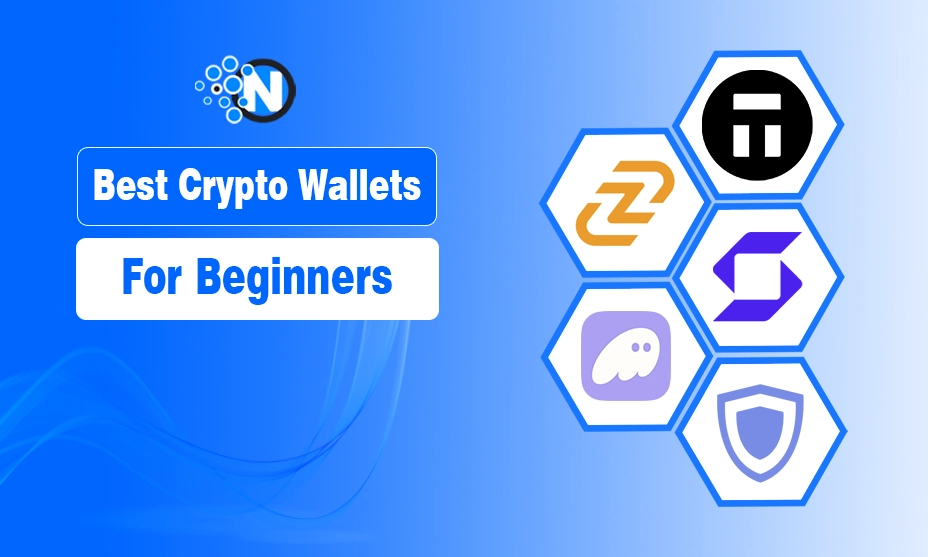
In this guide, I’ll show the 7 best crypto wallets for beginners, compare their features, pricing, pros and cons, and help you choose the right wallet based on your security needs and experience level.
What Is a Crypto Wallet and How Does It Work?
A crypto wallet is a digital tool that lets you send, receive, and manage cryptocurrency by storing your private keys, not your coins.
Your cryptocurrency always remains on the blockchain. A crypto wallet securely manages the private keys that prove ownership and authorize transactions. Without those keys, you can’t access or transfer your digital assets.
What Should Beginners Look for in a Crypto Wallet?
The best crypto wallet for beginners is one that matches your security needs, the cryptocurrencies you use, and your level of experience.
Before choosing a wallet, consider these factors:
- Recovery method: Decide whether you’re comfortable managing a seed phrase or prefer a wallet with an alternative recovery option.
- Ease of use: Choose a wallet with a simple interface, especially if you’re new to cryptocurrency.
- Security: Use a hot wallet for everyday transactions and consider a cold wallet for storing larger amounts.
- Supported cryptocurrencies: Make sure the wallet supports the coins and blockchain networks you plan to use.
- Web3 and DeFi compatibility: If you want to use decentralized apps (dApps), NFTs, or DeFi platforms, choose a wallet with Web3 support.
- Backup and recovery: Understand how you’ll recover your wallet if you lose access to your device.
For most beginners, a self-custodial wallet with strong security, an easy recovery process, and support for the cryptocurrencies they use is a good place to start.
Hot storage options, such as different wallets, give you instant access to your funds on the go, making them ideal for daily transactions.
What are the 7 Best Crypto Wallets for Beginners
The best crypto wallet for beginners depends on your security preferences, the cryptocurrencies you use, and whether you want a software or hardware wallet.
The table below compares the top options at a glance.
| Wallet | Type | Seed Phrase | Best For | Cost |
|---|---|---|---|---|
| Zengo | MPC | No | Beginners | Free |
| Phantom | Browser & Mobile | Yes | Solana | Free |
| Tangem | Hardware Card | No | Cold Storage | Paid |
| SafePal S1 | Hardware | Yes | Budget Storage | Paid |
| Guarda | Web & Mobile | Yes | Multi-Coin | Free |
| Crypto.com DeFi | Mobile | Yes | DeFi | Free |
| BitPay | Mobile | Yes | Payments | Free |
1. Zengo — Best Overall Crypto Wallet for Beginners
Zengo is a non-custodial crypto wallet that uses Multi-Party Computation (MPC) instead of a traditional seed phrase, making it one of the easiest and most secure wallets for beginners.
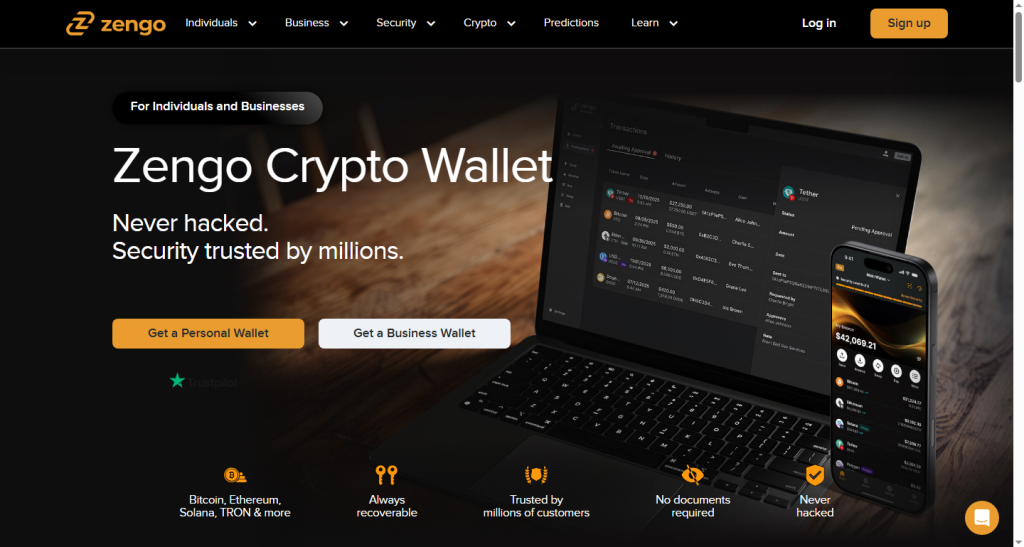
It supports popular cryptocurrencies like Bitcoin, Ethereum, USDT, and Polygon, while also offering staking, NFT support, and Web3 access. Its seedless recovery and intuitive mobile app make self-custody much simpler for first-time crypto users.
Key Features
- Seedless MPC security
- FaceLock biometric recovery
- Built-in Web3 Firewall
- Supports 1,000+ cryptocurrencies and NFTs
- Buy, sell, swap, and stake crypto
- Available on iOS and Android
| Pros | Cons |
| No seed phrase required | No desktop app |
| Easy wallet recovery | Some features require Zengo Pro |
| Beginner-friendly interface | Limited advanced customization |
| Supports Web3, NFTs, and staking |
2. Phantom: Best Crypto Wallet for Beginners on Solana
Phantom is a non-custodial crypto wallet designed for the Solana ecosystem, making it an excellent choice for beginners interested in NFTs, DeFi, staking, and Web3 applications.

Originally built for Solana, Phantom now also supports Ethereum, Polygon, Base, and Bitcoin. If you hold ETH specifically, choosing dedicated Ethereum wallets ensures better network compatibility and gas estimation.
Its clean interface, built-in security features, and browser and mobile apps make it easy to manage crypto and interact with decentralized applications.
Key Features
- Supports Solana, Ethereum, Polygon, Base, and Bitcoin
- Built-in staking and token swaps
- Scam detection and phishing protection
- NFT and Web3 support
- Browser extension and mobile app
| Pros | Cons |
| Beginner-friendly interface | Requires a seed phrase for recovery |
| Strong Solana and Web3 support | Advanced DeFi features may overwhelm new users |
| Built-in staking and swaps | Some services rely on third-party protocols |
| Scam detection and phishing protection |
3. Tangem: Best Hardware Wallet for Beginners
Tangem is a hardware wallet that secures your crypto offline using NFC-enabled smart cards, making cold storage simple for beginners without cables, batteries, or a complicated setup.
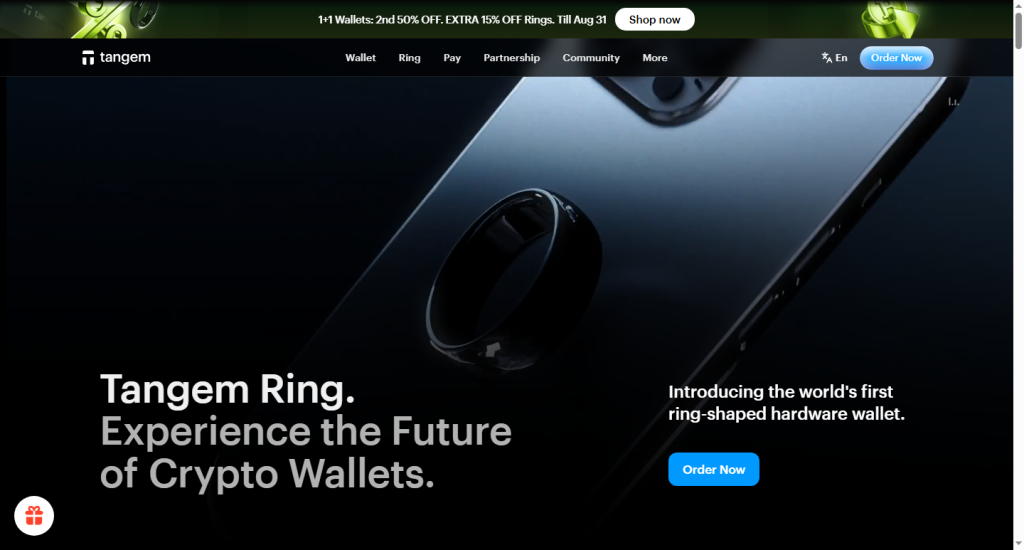
It supports 91+ blockchains and over 16,000 cryptocurrencies and tokens. During setup, you can choose a seedless recovery option by creating secure backups across multiple Tangem cards, eliminating the need to store a traditional recovery phrase.
Key Features
- Offline cold storage with NFC smart cards
- Optional seedless recovery
- Supports 91+ blockchains
- Manage 16,000+ coins and tokens
- Built-in swaps, staking, and Tangem Pay
- No battery or charging required
| Pros | Cons |
| Easy tap-to-use setup | No built-in display |
| Optional seedless recovery | Smartphone with NFC required |
| True offline cold storage | Less convenient for advanced DeFi |
| Durable backup card system | Lose all backup cards and funds can’t be recovered |
4. SafePal S1: Best Budget Hardware Wallet for Beginners
SafePal S1 is an affordable hardware wallet that keeps your private keys completely offline using an air-gapped design and QR code transaction signing.
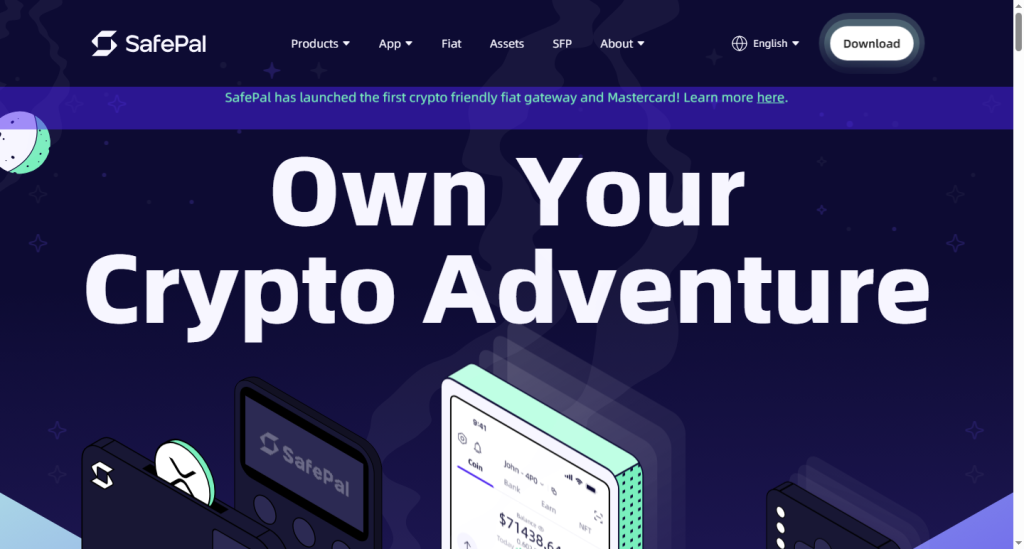
It supports 10,000+ cryptocurrencies across multiple blockchains and pairs with the SafePal mobile app for managing your portfolio. Its combination of strong offline security and low cost makes it a good entry-level cold wallet for beginners.
Key Features
- Fully air-gapped security
- QR code transaction signing
- Supports 10,000+ cryptocurrencies
- Companion mobile app
- Built-in token swaps and staking
- Compact and portable design
| Pros | Cons |
| Affordable hardware wallet | Requires a seed phrase backup |
| Fully offline security | QR code workflow takes time to learn |
| Supports thousands of cryptocurrencies | Small screen for transaction reviews |
| No USB, Bluetooth, Wi-Fi, or NFC connections | Firmware updates may be less beginner-friendly |
5. Guarda Wallet — Best Web-Based Crypto Wallet for Beginners
Guarda is a non-custodial crypto wallet that lets you manage cryptocurrencies from a web browser, desktop, browser extension, or mobile app without creating an account.
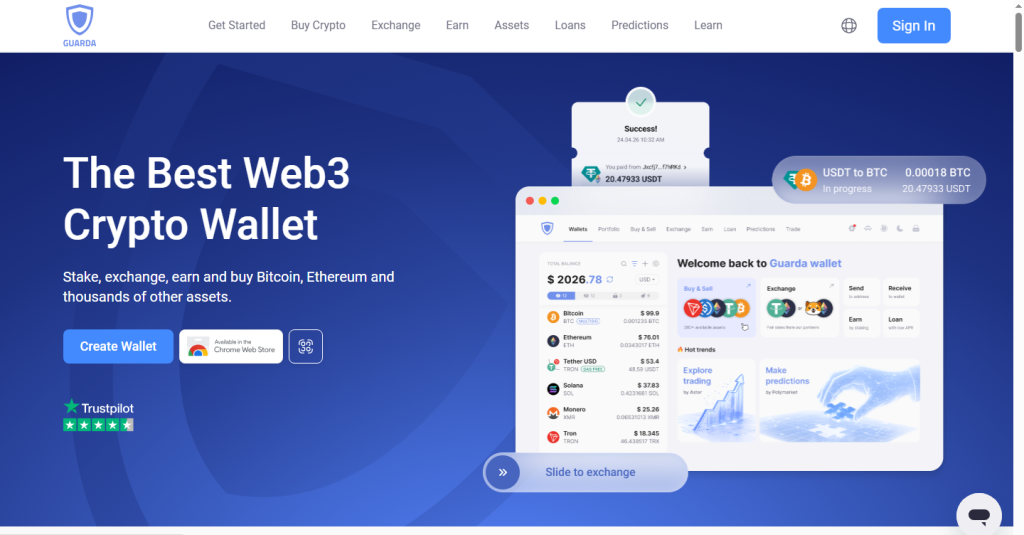
It supports thousands of cryptocurrencies and NFTs, along with built-in buying, swapping, staking, and portfolio management. Its cross-platform availability makes it a convenient choice for beginners who want to access their wallet from almost any device.
Key Features
- Web, desktop, mobile, and browser extension
- No account or ID required
- Supports thousands of cryptocurrencies and NFTs
- Buy, swap, send, receive, and stake crypto
- Encrypted backup file for wallet recovery
- Full control of private keys
| Pros | Cons |
| Works across multiple platforms | Recovery depends on your encrypted backup file and password |
| No registration required | Web wallets have higher phishing risks |
| Built-in staking and swaps | Exchange fees vary by provider |
| Full control of private keys | Interface may feel busy for first-time users |
6. Crypto.com DeFi Wallet — Best Wallet for Beginners Already on Crypto.com
Crypto.com DeFi Wallet is a self-custodial crypto wallet that gives Crypto.com users an easy way to move assets from the exchange while keeping full control of their private keys.
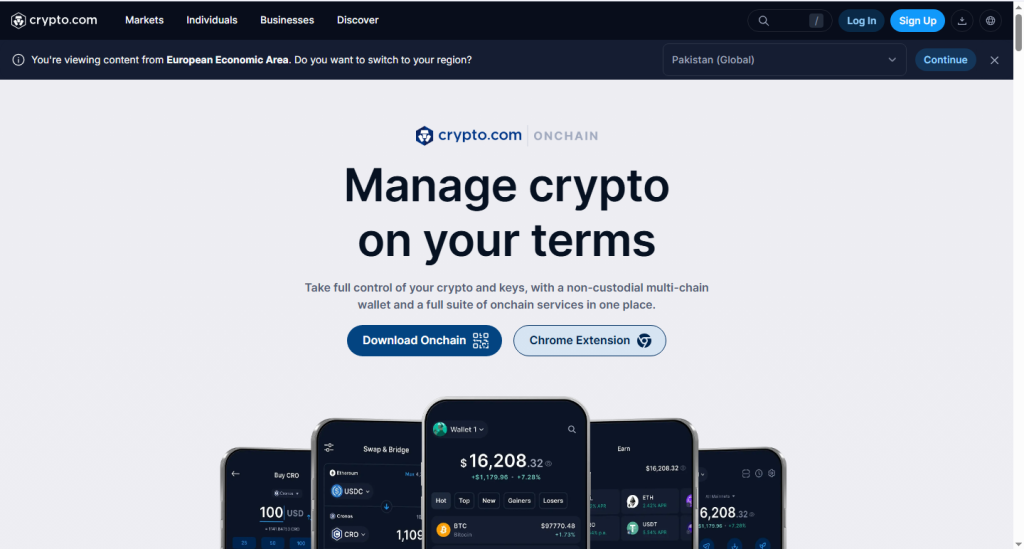
It supports 1,000+ cryptocurrencies across 30+ blockchains and provides access to staking, NFTs, and decentralized applications through WalletConnect. Its seamless integration with the Crypto.com ecosystem makes it a convenient choice for existing Crypto.com customers exploring self-custody.
Key Features
- Self-custodial wallet
- Supports 1,000+ cryptocurrencies
- Compatible with 30+ blockchains
- WalletConnect for DeFi apps
- NFT storage and staking
- Easy transfers from the Crypto.com Exchange
| Pros | Cons |
| Easy for Crypto.com users to get started | Best experience is within the Crypto.com ecosystem |
| Full control of private keys | Requires a recovery phrase |
| Supports DeFi, NFTs, and staking | Fewer advanced DeFi tools than some specialized wallets |
| Wide multi-chain support |
7. BitPay Wallet: Best Crypto Wallet for Spending Crypto
BitPay Wallet is a self-custodial crypto wallet that makes it easy to store, manage, and spend cryptocurrency through merchant payments and digital gift cards.
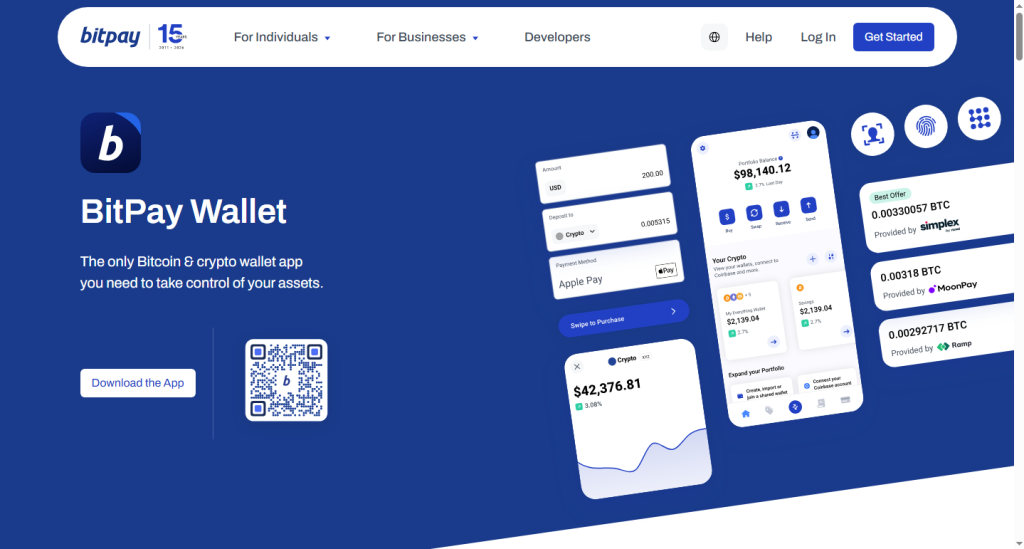
It supports major cryptocurrencies, including Bitcoin, Ethereum, Bitcoin Cash, Dogecoin, Litecoin, and stablecoins. Wallets like BitPay allow users to spend crypto at merchants and buy gift cards, driving real-world crypto adoption for everyday payments.
While sending and receiving crypto, the wallet lets users buy, sell, swap, and purchase digital gift cards from popular retailers using their crypto balance.
Key Features
- Self-custodial wallet
- Supports major cryptocurrencies and stablecoins
- Buy, sell, send, receive, and swap crypto
- Purchase digital gift cards with crypto
- Crypto payment support through the BitPay network
- Available on iOS, Android, and desktop
| Pros | Cons |
|---|---|
| Easy way to spend crypto through gift cards and supported merchants | Limited DeFi features |
| Beginner-friendly interface | Supports fewer blockchains than some multi-chain wallets |
| Full control of private keys | No crypto debit card |
| Supports major cryptocurrencies | Bill Pay service is currently unavailable |
People Also Ask About Crypto Wallet for Beginners
What is the best crypto wallet for beginners?
The best crypto wallet depends on your needs. Zengo is ideal for beginners who want seedless recovery, Phantom is best for Solana users, and Tangem is a great choice for secure offline storage.
What is the easiest crypto wallet to set up?
Zengo is one of the easiest wallets to set up because it uses seedless recovery. For hardware wallets, Tangem offers one of the simplest setup processes.
What is the most secure crypto wallet for beginners?
Hardware wallets provide the highest level of security because they store private keys offline. If you prefer a mobile wallet, Zengo offers strong protection with MPC technology instead of a traditional seed phrase.
Is it safe to keep crypto on an exchange?
Exchanges are convenient for buying and selling crypto, but long-term storage is generally safer in a self-custodial wallet. This gives you full control of your private keys.
What is the best free crypto wallet for beginners?
Zengo, Phantom, Guarda, BitPay, and Crypto.com DeFi Wallet are free to download and use. Hardware wallets require a one-time purchase.
Final Words on Choosing the Best Crypto Wallet for Beginners?
The best crypto wallet depends on your experience level, security preferences, and how you plan to use cryptocurrency.
- Choose Zengo if you want the easiest self-custody experience with seedless recovery.
- Choose Phantom if you’re using Solana, NFTs, or Web3 apps.
- Choose Tangem or SafePal S1 if long-term offline security is your priority.
- Choose Guarda for multi-platform access.
- Choose Crypto.com DeFi Wallet if you already use the Crypto.com ecosystem.
- Choose BitPay Wallet if you want to spend crypto through supported merchants and gift cards.
Whichever wallet you choose, your security habits matter more than the wallet itself. Understand your recovery method, protect your private keys or backup, and start with small transactions before managing larger crypto holdings.