How Technology Is Changing Industrial Facilities in Canada
IoT sensors, building automation, and maintenance software are helping Canadian industrial facilities monitor equipment and manage energy use, while modular infrastructure supports expansion without requiring a complete facility redesign.

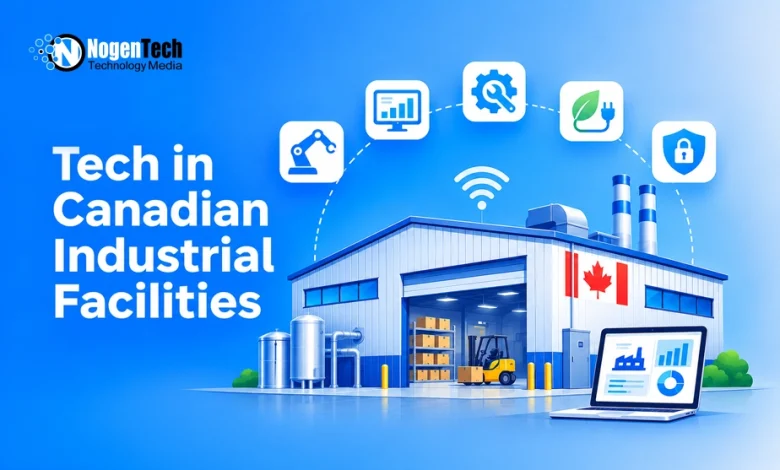
Industrial facilities in Canada face several operational challenges, from high heating costs and unexpected equipment breakdowns to limited storage space. Modern machinery alone cannot solve these problems without proper monitoring, maintenance, and infrastructure planning.
Connected sensors, building automation, maintenance software, and modular infrastructure can help businesses manage equipment, energy consumption, and facility expansion.
The right upgrades depend on the facility’s operating requirements, climate, and budget.
How Are Industrial Facilities Becoming Smarter?
Start creating Verdict in seconds, and convert more of your visitors into leads.
Smart industrial facilities use connected systems to monitor equipment, automate building operations, and improve maintenance planning.
| Technology | Main Purpose | Practical Application |
| IoT sensors | Monitor equipment conditions | Detect unusual temperatures or vibration |
| Building automation | Control energy consumption | Adjust heating, ventilation, and lighting |
| CMMS software | Organize maintenance | Track inspections, repairs, and service schedules |
| Energy monitoring | Identify consumption patterns | Find areas with unusually high energy use |
| Digital access controls | Manage facility security | Restrict entry and maintain access records |
These systems provide operational data that can support better decisions when properly installed and maintained.
IoT Sensors and Digital Maintenance Help Prevent Equipment Problems
Start creating Verdict in seconds, and convert more of your visitors into leads.
Industrial equipment can show warning signs before a breakdown. Changes in vibration, temperature, or power consumption may indicate developing mechanical problems.
Internet of Things (IoT) sensors collect this information and send readings to monitoring platforms. Common applications include:
- Cold storage facilities: Identify refrigeration problems through temperature monitoring.
- Manufacturing workshops: Detect unusual machinery operation through vibration monitoring.
- Warehouses: Monitor equipment conditions that could affect daily operations.
Computerized maintenance management systems (CMMS) complement these sensors by organizing equipment inspections, repairs, and service records.
A CMMS can help facility managers schedule preventive maintenance, assign work orders, track repair history, and identify overdue inspections or recurring problems.
For smaller facilities, monitoring critical equipment first may be more practical than connecting every machine.
Maintenance Equipment Still Matters
Digital systems organize maintenance activities, but physical cleaning and equipment servicing remain essential.
Industrial facilities often require specialized cleaning equipment for machinery, vehicles, and surfaces exposed to grease, dirt, or industrial debris.
The NogenTech guide on industrial pressure washers for Canadian businesses covers equipment types, pressure requirements, and operating considerations.
Building Automation Helps Control Energy Costs
Start creating Verdict in seconds, and convert more of your visitors into leads.
Heating, ventilation, and lighting can account for significant operating expenses in Canadian industrial buildings, particularly during winter.
Building automation systems manage different areas according to occupancy, working hours, and temperature requirements. Common applications include:
- Heating controls: Adjust temperatures according to operating schedules.
- Automated lighting: Reduce unnecessary lighting in unoccupied spaces.
- HVAC monitoring: Identify abnormal heating and ventilation performance.
- Energy tracking: Compare consumption across different areas.
Natural Resources Canada explains that building optimization involves coordinating building systems to improve energy performance, maintenance, and occupant comfort.
Poor insulation, inefficient HVAC equipment, or incorrect system settings may need attention before additional automation can deliver meaningful benefits.
Modular Infrastructure Supports Industrial Expansion
Start creating Verdict in seconds, and convert more of your visitors into leads.
Industrial modernization also involves expanding workshop, storage, or manufacturing space when existing facilities become insufficient.
Pre-engineered steel buildings offer an option for certain expansion projects because major structural components are designed and manufactured before on-site assembly.
Canadian businesses considering additional space can explore clearance steel buildings Canada to compare available building kits and assess suitable options.
Common applications include storage for raw materials, manufacturing workshops, equipment repair areas, and covered warehouse operations.
What Should Be Planned Before Installation?
A new industrial building may require more than a suitable structure.
| Requirement | What to Consider |
| Electrical systems | Power capacity for machinery, lighting, and controls |
| Heating and insulation | Local climate and operating temperatures |
| Connectivity | Internet access for connected equipment |
| Ventilation | Airflow requirements for industrial activities |
| Site preparation | Foundations, drainage, and equipment access |
| Compliance | Zoning, permits, and applicable building codes |
Requirements vary between provinces and municipalities. Facilities in Alberta may face different climate and site conditions from those in Ontario or British Columbia.
Total expansion costs should include site preparation, utilities, insulation, permits, and installation rather than only the building kit.
Connected Industrial Systems Require Cybersecurity
Start creating Verdict in seconds, and convert more of your visitors into leads.
Network-connected sensors, building controls, and industrial machinery can introduce security risks when access and software updates are not properly managed.
An older building management system with default credentials or unrestricted remote access, for example, may expose critical operations to unauthorized access. Important security measures include:
- Network separation: Keep operational technology separate from general office networks where practical.
- Access controls: Restrict system access to authorized personnel.
- Software maintenance: Apply firmware and security updates according to vendor guidance.
- Configuration backups: Maintain copies of important system settings.
- Incident procedures: Document steps for responding to system failures or security incidents.
Older industrial machinery may require additional safeguards when modern security features are unavailable.
Which Industrial Technology Upgrades Should Canadian Businesses Prioritize?
Start creating Verdict in seconds, and convert more of your visitors into leads.
The most suitable upgrade depends on the facility’s main operational problem.
| Operational Problem | Improvement to Consider |
| High heating and electricity costs | Energy monitoring and HVAC automation |
| Unexpected machinery breakdowns | IoT condition-monitoring sensors |
| Missed inspections and servicing | CMMS software |
| Limited workshop or storage space | Modular infrastructure expansion |
| Poor equipment visibility | Connected monitoring dashboards |
| Connected-system security risks | Network segmentation and access controls |
Before investing, facility managers should assess equipment condition, operating costs, installation requirements, employee training needs, and compatibility with existing machinery.
A phased approach, starting with the most significant operational problem, can help control implementation costs before further investment.
Final Thoughts
Start creating Verdict in seconds, and convert more of your visitors into leads.
Technology is changing Canadian industrial facilities through equipment monitoring, energy management, maintenance planning, and flexible infrastructure.
The most practical improvements address specific operational needs, fit existing systems, and remain manageable as facility requirements change.