- Online reviews strongly influence customer trust and buying decisions.
- Review management helps improve local SEO visibility and conversions.
- Fast, professional responses build stronger customer relationships.
- AI-powered tools can simplify review monitoring and response management.
- Consistent engagement helps small businesses build long-term credibility online.
Before customers contact your business, they usually check your online reviews first.
Whether someone is searching for a local restaurant, a software company, or a home service provider, reviews often decide if they trust your business or move to a competitor instead.
That is why online review management has become more important than ever for small businesses. A few positive reviews can improve trust and visibility, while ignored complaints can damage your reputation quickly.
The good news is that managing reviews does not require a big team or expensive software, especially now, when many small businesses use affordable digital solutions and AI-powered tools to improve customer communication and workflow.
In this guide, you will learn what online review management is, how it works, why it matters for local SEO, and how small businesses can build a stronger reputation through better customer engagement.
What Is Online Review Management?
Online review management is the process of monitoring, responding to, and improving customer feedback across platforms like Google, Yelp, Facebook, Trustpilot, and industry-specific directories.
Effective reviews management allows businesses to control their brand narrative, improve search engine visibility, and build a loyal community of customers who trust their services.
It helps businesses:
- Build trust with potential customers
- Improve local SEO visibility
- Understand customer satisfaction
- Protect their online reputation
- Increase conversions and repeat customers
For small businesses, review management is no longer optional. It directly affects how customers perceive your brand online.
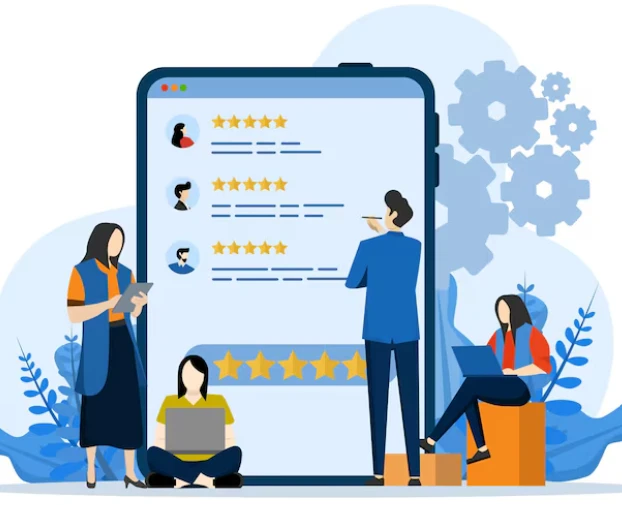
Why Online Reviews Matter More in 2026
Consumers are more cautious than ever before, spending money online or visiting a local business. Before making a decision, most people now:
- Read recent reviews
- Compare ratings
- Check how businesses respond to complaints
- Look for real customer experiences
Even one unanswered negative review can influence buying decisions. Search engines also prioritize businesses with:
- Frequent reviews
- Recent activity
- High engagement
- Consistent customer feedback
This means reviews affect both customer trust and search rankings.
Where Small Businesses Should Focus First?
Many business owners try to manage every platform at once, which quickly becomes overwhelming. Instead, focus on the platforms your customers actually use.
Common review platforms include:
- Google Business Profile
- Yelp
- Trustpilot
- TripAdvisor
- Better Business Bureau
- Industry-specific directories
Review Platforms Priorities by Industry
| Business Type | Most Important Platforms |
|---|---|
| Restaurants | Google, Yelp, TripAdvisor |
| Hotels | TripAdvisor, Google |
| SaaS Companies | Trustpilot, G2, Capterra |
| Home Services | Google, Angi, Facebook |
| Healthcare Providers | Google, Healthgrades |
| E-commerce Stores | Trustpilot, Google, Facebook |
Managing the right platforms is more effective than trying to be active everywhere.
How to Monitor Reviews Effectively?
Review management works best when it becomes part of your weekly routine.
Checking reviews regularly helps you:
- Catch problems early
- Identify recurring complaints
- Recognize strong employees or services
- Improve customer experience faster
Many small businesses make the mistake of only checking reviews after receiving a complaint.
A better approach is to monitor reviews consistently, even if it is only for a few minutes each day.
How to Respond to Positive Reviews?
Positive reviews should never be ignored. A simple response shows appreciation and encourages future customers to trust your business.
However, avoid generic replies like:
“Thanks for your feedback.” Instead, make responses personal and specific.
Better Example:
“Thanks for your kind words about our delivery service. We are glad your order arrived quickly.”
This makes your business feel more human and engaged.
How to Handle Negative Reviews Professionally?
Negative reviews are part of running a business. What matters most is how you respond.
Potential customers often judge businesses more by their responses than by the complaint itself.
Best practices for handling negative reviews:
- Stay calm and professional
- Acknowledge the customer’s frustration
- Avoid arguments
- Offer a practical solution
- Move sensitive conversations offline
Example:
“We are sorry your experience did not meet expectations. Please contact our support team so we can resolve the issue properly.”
This type of response shows accountability and professionalism.
Common Review Management Mistakes to Avoid
Some businesses accidentally damage their reputation through poor review practices.
Avoid these mistakes:
- Ignoring customer feedback
- Buying fake reviews
- Copy-pasting the same response repeatedly
- Responding emotionally to criticism
- Asking aggressively for 5-star ratings
Authentic engagement matters more than perfect ratings.
How Reviews Help Local SEO?
Online reviews are one of the strongest trust signals for local search rankings.
Search engines often favor businesses that have:
- Consistent reviews
- Recent feedback
- Active engagement
- Genuine customer interactions
This can improve visibility in:
- Google Maps
- Local search results
- “Near me” searches
Even a few honest reviews every month can help maintain strong local visibility over time. Strong SEO strategies combined with positive customer reviews can significantly improve a small business’s online visibility and local search performance.
Smart Ways to Get More Customer Reviews
Most satisfied customers simply need a reminder to leave feedback.
The easier you make the process, the higher the chances you will get more online reviews.
Effective ways to request reviews:
- Follow-up emails after purchases
- QR codes on receipts
- SMS reminders
- Review links on invoices
- Simple verbal requests after completing a service
Avoid pressuring customers. Genuine reviews are always more valuable.
Why Responding Quickly Matters
Customers expect businesses to be active online.
Slow or ignored responses can create the impression that a business does not care about customer concerns.
Quick responses help:
- Improve trust
- Reduce frustration
- Show professionalism
- Encourage customer loyalty
Even short responses can make a noticeable difference.
Should Small Businesses Use Review Management Tools?
For growing businesses, review management tools can help simplify the process.
These tools can:
- Track reviews across multiple platforms
- Send review alerts
- Monitor customer sentiment
- Automate review requests
However, software should support human interaction, not replace it completely. Customers still prefer authentic communication over automated replies.
Building Trust Through Better Review Management
Online review management is no longer just a marketing task. It has become a core part of building trust and growing a business online.
Small businesses that actively monitor reviews, respond professionally, and encourage genuine customer feedback are more likely to stand out in competitive markets.
In 2026, customers pay close attention to how businesses communicate online. Managing reviews properly can improve your reputation, strengthen customer relationships, and increase long-term visibility in search results.
FAQs about Online Review Management
Online review management helps small businesses build trust, improve local SEO rankings, attract more customers, and maintain a positive online reputation.
Search engines use reviews as trust and relevance signals. Frequent, recent, and authentic reviews can improve visibility in local search results and Google Maps rankings.
Businesses should respond calmly, professionally, and respectfully. Acknowledge the issue, offer a solution, and move detailed conversations offline when necessary.
The best platforms depend on your industry, but common options include Google Business Profile, Yelp, Facebook, Trustpilot, TripAdvisor, G2, and Better Business Bureau.
Yes. Fake reviews can damage credibility, violate platform guidelines, and reduce customer trust if detected by users or review platforms.
Small businesses should monitor reviews regularly, ideally daily or several times a week, to respond quickly and maintain customer engagement.
The best way to get online reviews for your small business is to ask satisfied customers at the right time and make the process simple. You can send review links through email or SMS, use QR codes on receipts, and politely request feedback after a positive customer experience.