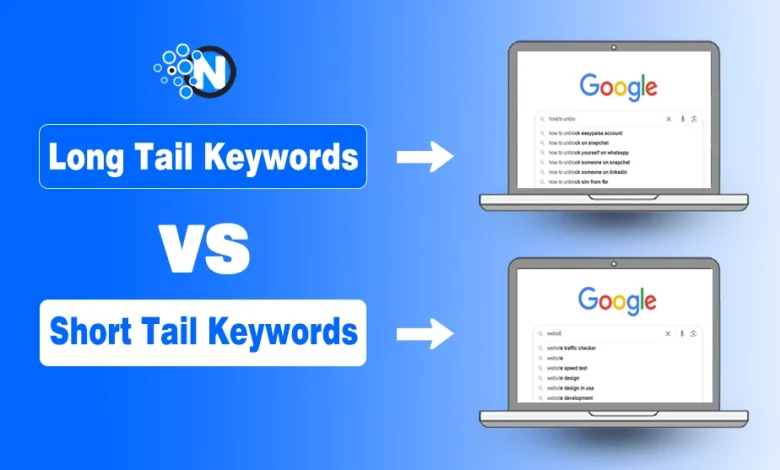
Throughout my 15 years of experience in SEO, I’ve worked with blogs, SaaS companies, affiliate websites, local businesses, and enterprise-level projects, and in almost every case, the same question keeps coming up:
“Should we target long-tail keywords or short-tail keywords?”
The truth is, both matter. But understanding when and how to use each one is what separates websites that struggle from websites that consistently grow organic traffic.
In this guide, I’ll explain the real difference between long-tail and short-tail keywords based on practical SEO experience.
- Long-tail keywords are easier to rank for and usually convert better.
- Short-tail keywords have higher search volume but stronger competition.
- Search intent matters more than traffic volume alone.
- AI search and voice search are increasing long-tail keyword usage.
- A balanced keyword strategy combines both keyword types.
What are Long-Tail Keywords?
Long-tail keywords are longer, more specific search phrases, usually 3 to 7+ words, that target clear, high-intent user queries.
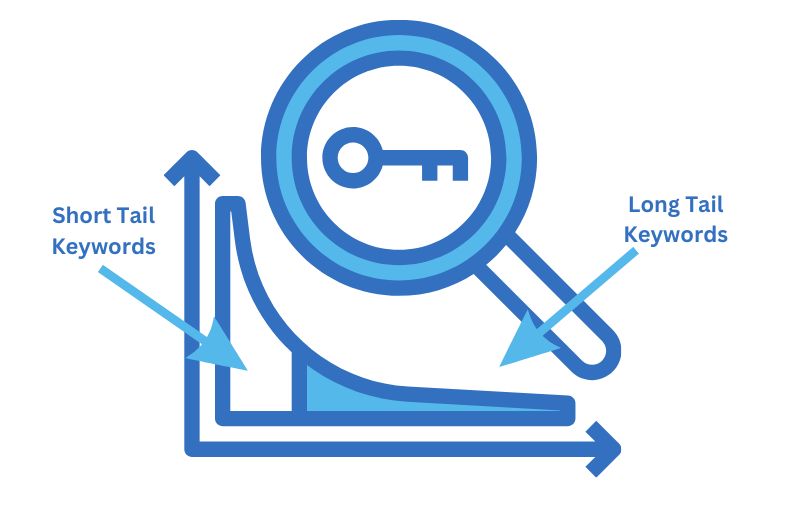
These keywords don’t get huge search volume individually, but together they make up over 70% of all online searches. This makes them one of the most powerful ways to capture targeted traffic. Think of them as the exact questions people type when they know what they want, such as:
- “best SEO tools for small businesses”
- “how to improve website speed on WordPress”
- “affordable CRM software for startups”
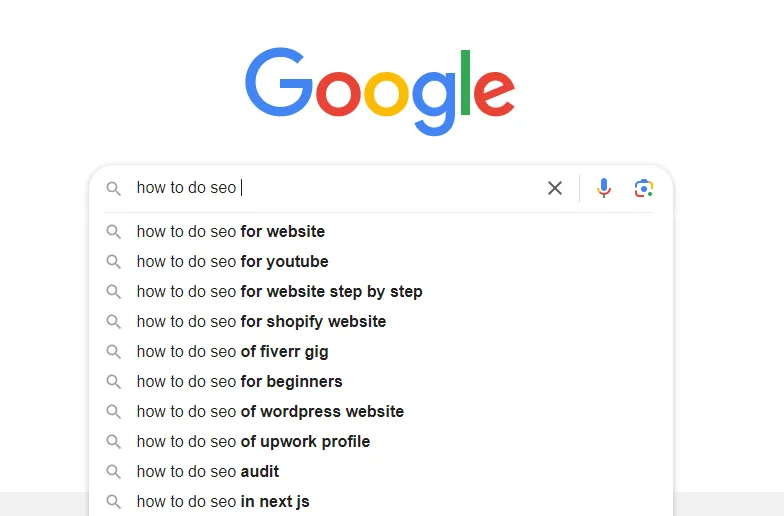
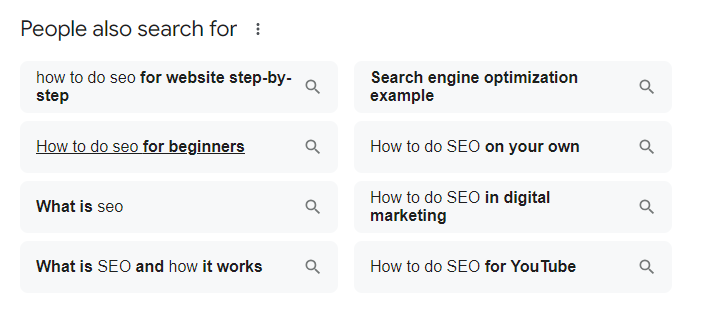
Today, long-tail searches are becoming even more important because of:
- Voice search
- AI-powered search engines
- Conversational queries
- Google AI Overviews
Users now search in full questions instead of typing only broad terms.
Advantages of Long Tail Keywords
- Higher conversion rates because they match clear user intent
- Lower competition, making rankings easier
- Better alignment with voice search and AI queries
- Higher-quality traffic from users who know what they want
- More niche topic opportunities for content clustering
- Higher click-through rates (CTR) due to specificity
- Improved audience targeting with segmented, intent-based phrases
- Stronger topical authority and E-E-A-T signals
What are Short-Tail Keywords?
Short-tail keywords are broad, general search phrases made up of one to three words, with no clear user intent (sometimes they have stronger user intent).
They usually have very high search volume and high competition. These keywords capture a wide audience but don’t always reveal what the searcher specifically wants.
Examples include:
- “SEO”
- “digital marketing”
- “best laptops”
- “screenshot tools”
From my personal experience, short-tail keywords are useful for:
- Brand visibility
- Authority building
- Large-scale traffic growth
- Homepage optimization
- Category pages
However, ranking for them is much harder.

Think of them as the “big umbrella terms” people search when they’re at the very beginning of their journey.
Advantages of Short-Tail Keywords
- High search volume: Attracts a large number of visitors quickly
- Wide audience reach: Great for brand awareness and exposure
- Simpler to remember and target: Easy to incorporate in campaigns
- Ideal for broad topics: Helps establish authority in general niches
- Drives initial traffic for new sites: Good starting point for SEO
- Foundation for content strategy: Can lead to discovering long-tail variations
- Useful in paid campaigns: Effective for PPC ads with broad targeting
Long-Tail Keywords vs Short-Tail Keywords: (Key Differences)
Start creating Verdict in seconds, and convert more of your visitors into leads.
Disadvantages of Long-Tail Keywords and Short-Tail Keywords
| Long-Tail Keywords | Short-Tail Keywords |
|---|---|
| Lower search volume per keyword | High competition |
| Time-consuming research | Unclear user intent |
| Limited visibility for broad topics | Lower conversion rates |
| Requires more content | Expensive in paid campaigns |
Tools for Finding Long Tail and Short Tail Keywords
1. Google Keyword Planner
- Free tool by Google Ads
- Helps discover both short-tail and long-tail keywords
- Shows search volume, competition, and CPC
- Ideal for both SEO and PPC campaigns
2. Ahrefs
- Premium tool with robust keyword explorer
- Provides long-tail keyword suggestions, search difficulty, and analyze website traffic potential
- Useful for competitor keyword analysis
3. SEMrush
- All-in-one SEO platform
- Offers the keyword magic tool to find short-tail and long-tail phrases
- Provides trends, difficulty scores, and SERP analysis
4. AnswerThePublic
- Visual tool that generates questions, prepositions, and comparisons around a keyword
- Perfect for long-tail keyword ideas targeting user intent
5. Google Trends
- Shows keyword popularity over time
- Helps find seasonal or trending short-tail and long-tail keywords
- Useful for timely content and niche targeting
6. Moz Keyword Explorer
- Provides keyword suggestions, difficulty score, and opportunity metrics
- Offers both short-tail and long-tail recommendations
- Helps prioritize keywords based on potential traffic
👉 Pro Tip: For best results, combine tools. Use Google Keyword Planner or SEMrush for broad terms, and AnswerThePublic for specific long-tail variations targeting high-intent users.
AI Search Has Changed Keyword Strategy
One of the biggest shifts I’ve noticed recently is how AI search engines and Google AI Overviews are changing keyword behavior.
Searches are becoming more conversational.
Instead of typing:
“best laptops”
Users now search:
“best lightweight laptops for remote work under $1000”
That shift strongly favors long-tail keywords because AI systems prioritize intent-rich and context-based queries.
This is why long-tail SEO has become even more powerful in recent years and should be a vital part of your keyword research.
What I Recommend for New Websites
After years of testing SEO strategies across different industries, my recommendation for most new websites is simple:
Start with long-tail keywords first.
This approach helps websites:
- Rank faster
- Build topical authority
- Generate targeted traffic
- Gain early SEO momentum
- Improve internal linking opportunities
I’ve personally used this strategy on multiple content websites where long-tail traffic eventually helped broader short-tail pages rank as well.
Google now rewards topical depth and semantic relevance more than simple keyword repetition.
That means publishing clusters of highly relevant long-tail content can strengthen your overall domain authority over time.
Final Thoughts
Short-tail keywords drive broad traffic and brand awareness, while long-tail keywords capture high-intent users and boost conversions. The best strategy is to combine both: attract visitors with short-tail terms and convert them with long-tail keywords.
Once you understand the relationship between the competition and conversion rates of short tail and long tail keywords correctly, I strongly recommend you use a combination of short tail and long tail keywords in your content to get maximum benefits.
Final Thoughts
Which keywords are easier to rank for?
Long-tail keywords are generally easier to rank for because they have lower competition and clearer search intent.
Do long-tail keywords bring more conversions?
Yes. Long-tail keywords often attract more targeted visitors, which can improve engagement and conversion rates.
Are short-tail keywords still important in SEO?
Yes. Short-tail keywords help build brand authority, visibility, and large-scale traffic over time.
Why are long-tail keywords important in 2026?
AI-powered search and voice search have made conversational and intent-based queries more common, increasing the value of long-tail keywords.
Should new websites target long-tail keywords first?
In most cases, yes. Long-tail keywords help new websites gain faster rankings and build topical authority.
Can you use both long-tail and short-tail keywords together?
Yes. The most effective SEO strategies combine long-tail and short-tail keywords for balanced traffic growth and authority building.