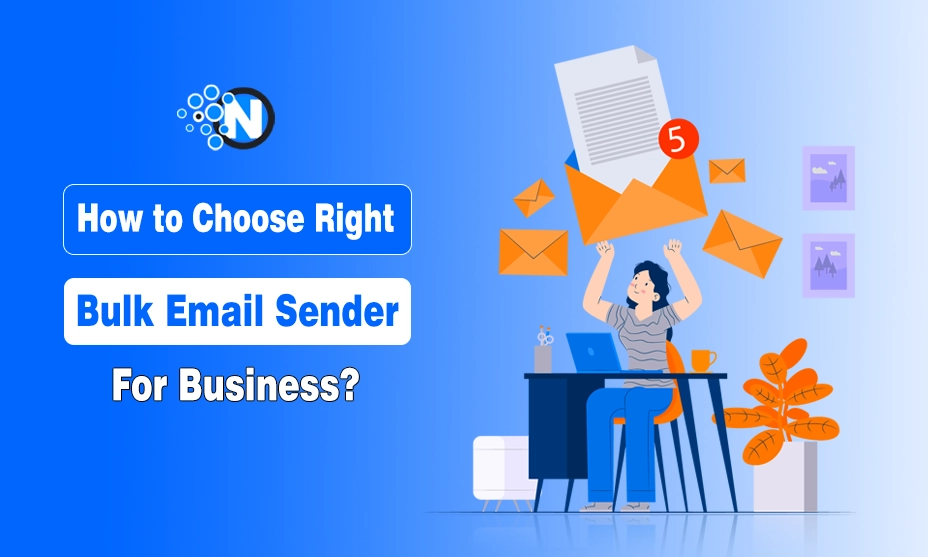
Choosing a bulk email sender is often the difference between your message landing in a primary inbox or disappearing into the void of a spam folder.
When I first started navigating the world of digital marketing, I thought every platform was essentially a glorified “send” button. I quickly learned that the infrastructure behind that button determines your brand reputation and your ultimate return on investment.
In this guide, I want to take you through the nuances of selecting the right bulk email sender that aligns with your specific goals. We will move beyond surface-level features to explore the technical and strategic pillars of email success.
The Foundation of Your Email Strategy
Before you look at flashy templates or drag-and-drop editors, you must understand that your bulk email sender is the engine of your communication strategy.
If the engine is faulty, it does not matter how beautiful the car looks. I always tell my clients that the choice of a provider is a long-term commitment because migrating your data and warming up your reputation on a new platform is a massive undertaking.
10 Key Things to Consider Before Choosing the Right Bulk Email Sender in 2026
In the following sections, I am going to break down the 10 most critical factors you need to evaluate to determine which bulk email sender is perfect for your business.
We will look at technical deliverability, user experience, and the financial implications of your choice. My goal is to give you a roadmap so you can make an informed decision that scales with your business growth while keeping you on the right side of inbox providers like Gmail and Outlook.
1. Deliverability Rates and Infrastructure
The most important job of a bulk email sender is to actually deliver the mail. You would be surprised how many platforms struggle with this basic requirement because they allow low-quality senders to share IP addresses with legitimate businesses.
While evaluating a provider, I look closely at their relationship with Internet Service Providers and their internal policing mechanisms. You need to ensure that the provider supports essential authentication protocols like SPF, DKIM, and DMARC.
These are the digital passports that tell receiving servers you are who you say you are. A high-quality sender will have a dedicated deliverability team that monitors blacklists and maintains clean IP pools.
If a provider cannot give you a straight answer about their average delivery rates or how they handle bounce rate management, that is a major red flag for your business.
2. Scalability and Volume Flexibility
Your business is not static, and your email needs will change as you grow. I have seen many companies get stuck with a provider that works great for five thousand subscribers but becomes prohibitively expensive or technically unstable when they hit fifty thousand.
You need a partner that offers tiered pricing and a solid infrastructure that can handle spikes in volume during peak seasons like Black Friday. Scalability is not just about the number of emails you can send but also about the complexity of the tasks the system can handle.
As your list grows, you will likely want to move into more advanced territory like triggered emails based on user behavior. A good sender should provide a seamless transition from basic newsletters to high-volume transactional emails without requiring you to switch platforms or learn an entirely new interface.
3. Automation and Workflow Sophistication
Marketing automation is no longer a luxury for big corporations; it is a necessity for any business that wants to remain competitive. When I am looking at a bulk email sender, I check how intuitive their automation builder feels.
You want a tool that allows you to map out customer journeys based on specific actions, such as clicking a link, abandoning a cart, or opening a specific series of emails. The best platforms offer “if this, then that” logic that allows you to send highly personalized content at the exact moment a user is most likely to engage.
I find that platforms with visual workflow builders are much easier to manage because you can see the entire logic of your campaign at a glance. If the automation features are clunky or limited to simple autoresponders, you will eventually outgrow the platform and face the headache of a migration later on.
4. Integration Capabilities
Your email sender should not live on an island. It needs to talk to your CRM, your e-commerce platform, and your website analytics tools.
I’ve also found that businesses increasingly look for platforms that connect with other communication tools, including email-to-text services. These integrations can be valuable for sending urgent alerts, notifications, or time-sensitive updates through multiple channels instead of relying solely on email.
You should always check the integration library of a potential sender to see if they have native connections with the tools you already use, like Shopify, Salesforce, or WordPress. When your data flows freely between systems, you can create segments that are incredibly precise.
Imagine being able to automatically email customers who spent over a certain amount in the last month but have not visited your site in the last week. This level of synchronization is only possible if your bulk email sender has a robust API and a wide range of pre-built integrations.
Without this connectivity, you are left doing manual exports and imports, which is a recipe for data errors and wasted time.
5. Advanced Segmentation Features
The era of “blast and pray” marketing is over. Today, relevance is the only way to win the inbox. Therefore, you should look for senders that offer deep segmentation capabilities beyond just basic demographic data.
You should be able to slice and dice your list based on engagement history, purchase behavior, and even custom tags that you define. Effective segmentation allows you to send a different message to your most loyal fans than you would to someone who just signed up for a discount code.
This keeps your engagement rates high and your unsubscribe rates low. If a provider only allows you to create simple lists rather than dynamic segments that update in real time, you will find it very difficult to deliver the personalized experience that modern consumers expect.
6. Personalization and Dynamic Content
True personalization goes far beyond just putting a first name in the subject line. So, the platforms that allow for dynamic content blocks within the email body are the best ones. This means that two different people could receive the same email, but see different images or offers based on their preferences or past behavior.
For example, a clothing retailer might show winter coats to subscribers in New York while showing swimsuits to subscribers in Florida within the same campaign. This level of sophistication significantly boosts conversion rates because the content feels tailor-made for the individual.
If your bulk email sender does not support dynamic content, you are missing out on a massive opportunity to connect with your audience on a deeper level.
7. Analytics and Reporting Depth
You cannot improve what you do not measure. That’s why you need a bulk email sender that provides more than just open and click rates. You have to see heat maps of where people are clicking, what devices they are using, and how much revenue each specific email is generating.
Modern SEO trends and marketing standards require data-driven decisions, so your reporting needs to be top-tier. A great reporting dashboard will also show you your “health” metrics, such as bounce rates, spam complaints, and unsubscribe trends over time.
When it comes to my business, I look for the ability to export these reports easily or view them in real time. If a platform hides deep analytics behind a higher paywall or provides only surface-level data, it will be very hard for you to justify your spend and optimize your future campaigns for better performance.
8. User Experience and Interface
I spend a lot of time inside these platforms, and a clunky interface can turn a quick task into a multi-hour ordeal. I value a clean, intuitive UI that makes it easy to find what I need.
The drag-and-drop editor should be responsive and shouldn’t require a degree in web development to create a professional-looking email. You should also consider the learning curve for your team.
If it takes three weeks of training just to send a basic newsletter, the platform is probably too complex for your needs. It would be best to take advantage of free trials to see how the system handles under pressure.
If the interface is laggy or the “save” button is hard to find, you should know it will cause friction in your daily workflow, and you should look elsewhere.
9. Compliance and Data Security
In a world of GDPR compliance for email marketing, CCPA, and ever-evolving privacy laws, you cannot afford to play fast and loose with user data. So, you need to ensure that any bulk email sender you use has strict compliance protocols in place.
They should make it easy for you to manage consent, handle unsubscribes automatically, and store data securely in accordance with international regulations. Data security is also about protecting your own business.
So, the bulk email sender should offer two-factor authentication and granular user permissions so you can control who on your team has access to your valuable subscriber list. A security breach could ruin your brand reputation overnight, so I never compromise on the technical safeguards a provider offers to keep your data safe.
10. Support and Customer Success
When things go wrong, and eventually they will, you need to know that someone has your back. I prioritize senders that offer multiple channels of support, including live chat, email, and phone.
More importantly, I look for a provider that treats you like a partner rather than just another account number. I often test the support team before I sign up by asking technical questions about their infrastructure.
The speed and accuracy of their response tells me everything I need to know about how they will treat me when I have a real emergency. A great customer success team will also provide resources like webinars, case studies, and best practice guides to help you get the most out of their platform, ensuring your long-term success.
Final Thoughts
Choosing the right bulk email sender is a strategic decision that impacts every facet of your digital presence. When you focus on deliverability, automation, and data security, you set your business up for sustainable growth.
I have found that the best providers are those that balance powerful technical features with a user-friendly interface, and allow you to focus on your message rather than the mechanics of sending it. Take your time during the evaluation process, utilize trials, and ask the tough questions about their infrastructure to ensure you find a home for your email marketing that will last for years to come.