General AI Art vs Anime AI Generators: Which Is Better?
General AI art platforms are better for creating different types of visual content, while anime AI generators are better for consistent characters, specialized anime styles, and detailed illustrations. The right choice depends on what you create most often.

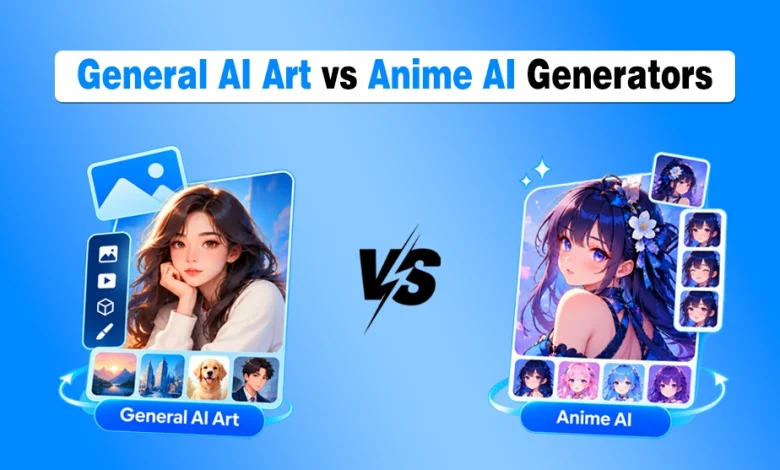
General AI art platforms and anime AI generators both create images from prompts, but their focus differs. General platforms support multiple art styles and formats, including illustrations and videos, while anime-focused generators offer specialized models, character LoRAs, and reference-based editing.
General platforms suit creators working across different content formats. However, anime artists, OC creators, comic makers, and VTubers may benefit from dedicated tools for consistent characters and anime-specific styles.
The better choice depends on creative needs, character consistency, and workflow. This comparison explains when a general platform is enough and when an anime-focused tool like PixAI makes sense.
What Are General AI Art Platforms Best For?
General AI art platforms are a good choice when you’re creating different types of visual content. Whether it’s YouTube thumbnails, realistic images, short videos, or anime illustrations, you can handle most of these tasks in one place.
The biggest advantage is versatility. Many AI art generators offer multiple models, editing tools, and community libraries. Some also support ControlNet, custom models, and node-based workflows for more control over your images.
Some also support ControlNet, custom models, and node-based workflows for more control over your images.
So, if anime is only a small part of your creative work, a general AI art platform may be all you need.
What Makes Anime AI Generators Different?
General AI art platforms can create anime images, but dedicated anime generators offer more tools for character design and consistent illustration styles.
The main differences include:
- Anime-specific models: Support styles like shoujo, mature anime, and Korean webtoons.
- Character consistency: Reference images and character LoRAs help maintain the same character’s appearance across multiple images.
- LoRA libraries: Provide access to community-created character and style models.
- Style-preserving edits: Let you change expressions, outfits, and backgrounds without significantly affecting the original art style.
These features are particularly useful when you’re creating original characters (OCs), comics, or VTuber illustrations that require the same characters repeatedly.
Can General and Anime AI Generators Work Together?
Yes, and using both can actually make sense when your projects involve different types of artwork.
You can keep a general platform for everyday creative tasks and use an anime-focused generator when you need more control over characters and illustration styles.
Here’s how the work can be divided:
| General AI Art Platform | Anime AI Generator |
| Quick concept images | Anime character designs |
| Video generation | Recurring character illustrations |
| Photorealistic visuals | Anime-specific art styles |
| Marketing and social media graphics | Character LoRAs and reference editing |
| Mixed-format projects | Finished anime illustrations |
You can also transfer generated images between platforms if they support the required file formats.
Just remember that character consistency can become an issue when switching models. Keeping the same reference images, LoRAs, and generation settings can help maintain your character’s appearance.
Where Does PixAI Fit Among AI Art Generators?
PixAI is an anime-focused AI image generator designed for character illustrations, anime artwork, and different illustration styles.
While general platforms cover everything from photorealistic images to videos, PixAI puts more emphasis on anime models, community LoRAs, and character editing.
Some of its main features include:
- Tsubaki.3: An anime model suited to detailed prompts and scenes with multiple characters.
- Haruka v2 and Hoshino v2: SDXL-based models offering different anime illustration styles.
- Community LoRA library: Provides character and style LoRAs you can apply during image generation.
- Reference Pro: Uses reference images to guide character appearance.
- Edit Pro: Lets you make targeted changes to existing illustrations.
These tools make PixAI worth considering if you’re creating original characters, comics, or VTuber artwork where character consistency matters.
However, PixAI isn’t necessarily a replacement for a general AI art platform, especially when your projects also involve videos or other visual formats.
The easiest way to decide is to test an existing character in PixAI and compare the results with your current generator. You can also explore PixAI’s SeaArt review to understand how a general-purpose platform handles anime-focused artwork.
How to Choose the Best AI Image Generator for Anime
Before choosing an anime AI generator, test it with an actual character or illustration instead of relying only on the examples shown on its website. This matters even more when creating specific character styles, such as furry AI art, where the right model and prompts can make a noticeable difference.
There are four important things to check:
- Style accuracy: Does the generator produce your preferred anime style without constant prompt adjustments?
- Character consistency: Can it maintain recognizable features across different poses, outfits, and scenes?
- LoRA and reference support: Are the character models and reference-image tools you need available?
- Editing flexibility: Can you change individual details without regenerating the entire illustration?
Pricing, available credits, and generation limits also matter, especially if you’re creating artwork regularly.
A simple way to compare platforms is to generate the same character using similar prompts and references. You’ll quickly get a better idea of which tool delivers consistent results with less effort.