As a digital marketer, one thing I’ve learned over the years is that a strong presence across social platforms isn’t optional anymore. But it’s essential for building brand reputation, trust, and long-term visibility to your target audiences.
While most businesses focus heavily on Facebook, LinkedIn, Instagram, and TikTok, they often overlook one of the most powerful yet underrated platforms for organic reach and authority building: Quora.
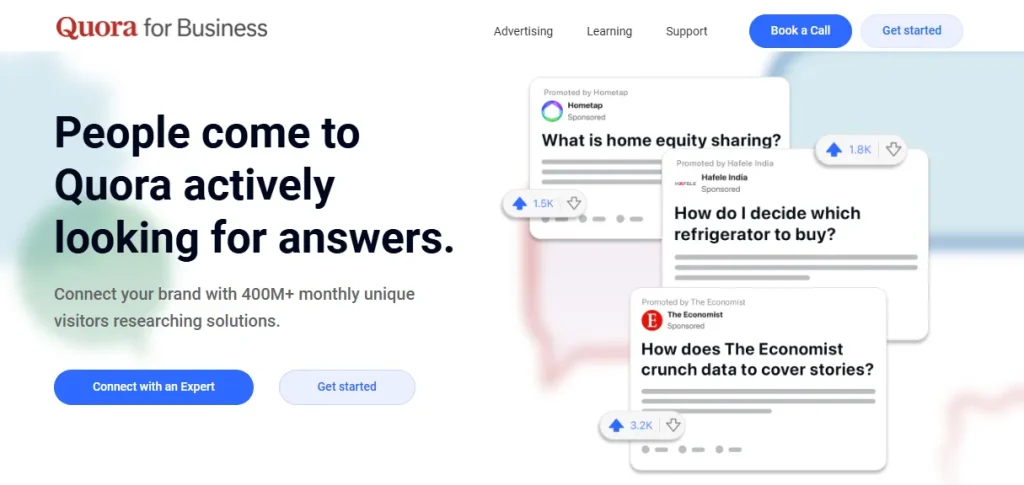
Quora isn’t just a Q&A site; it’s a platform where people actively search for real answers, expert insights, and credible recommendations. This creates a perfect opportunity for brands to position themselves as trusted authorities, drive high-intent traffic, and enhance overall online visibility.
In this blog post, you will find a set of authentic, practical strategies that you can seamlessly integrate Quora into your marketing efforts and strengthen your online presence. By the end of this guide, you’ll understand exactly how to implement these tactics and get the maximum value from them.
What is Quora and Why It Matters for Your Marketing
i
Quora is a question-and-answer platform where millions of users come every day to seek reliable information, expert opinions, and practical solutions. It is built around intent-driven conversations where people actively ask questions because they have a need, a problem, or an interest they want solved.
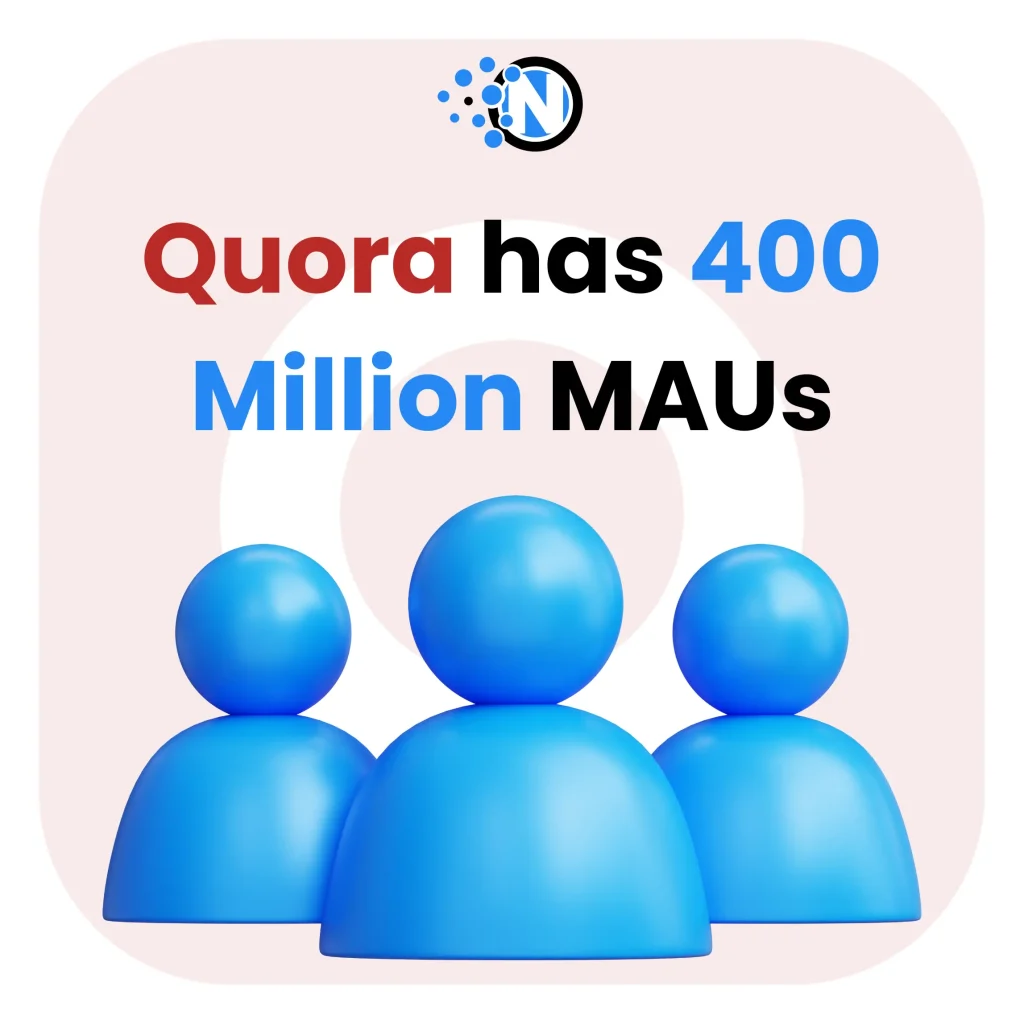
This level of user intent makes Quora extremely valuable for brands looking to build trust and establish authority. From a marketing perspective, Quora works as a discovery engine with over 400 million Monthly Active Users (MAUs).
When you publish high-quality answers, participate in niche discussions, or share insights backed by your professional experience, you position your brand exactly where potential customers are searching for guidance.
These answers remain visible for months or even years, attracting consistent views, upvotes, and targeted traffic. Quora questions and answers often rank on Google, just like Reddit, which helps you gain additional visibility outside the platform.
Users who read your answers are typically more engaged, more curious, and more likely to click through to your website or landing pages because they already perceive your brand as knowledgeable and trustworthy.
How to Add Quora to Your Marketing Strategy
i
Here is a comprehensive Quora marketing strategy for brands and small businesses to drive trust, authenticity, and genuine conversion rates.
1. Set Up an Authoritative Profile on Quora
Your profile is the trust signal. Do this first:
- Choose a clear professional name and headline that includes your role + niche (e.g., “Product Marketer: SaaS Growth & Onboarding”).
- Add a short bio with 2–3 credibility bullets: what you do, notable results, and a link to your company or a landing page.
- Use a real photo and link to your main site or a dedicated Quora landing page (so clicks convert).
Why it matters: users and Google both assess author authority; a complete profile increases upvotes and click-throughs.
2. Find the Right Questions
An effectively built Quora marketing strategy can help brands and businesses approach the right and qualified leads & sales on the site.
Don’t guess, prioritize your goals:
- Topic follow: Follow topics that match your niche (e.g., “email marketing”, “small business accounting”).
- High-intent question search: Filter questions by “Most viewed” or search Google
site:quora.com "your keyword" "asked"to find evergreen, high-traffic threads. - Unanswered or shallow answers: Look for high-view questions with few quality answers that are low-hanging fruit.
Tools and signals: question views, number of followers, and time since asked. Target questions where your answer can add unique value (case study, data, frameworks).
3. Write Answers that Convert and Rank
Answering the questions with plenty of upvotes can help you increase exposure for your brand in a great way. Quora audiences (and search engines/AEO/LLM pipelines) reward clear, scannable answers. Use this structure:
- One-sentence direct answer first. Answer the question in the first line (this helps readers and AI models).
- Value bullets/steps. Give 3–7 concise bullets or numbered steps.
- Mini case or data point. Add a short example or a result you achieved.
- Optional link and CTA. Add one contextual link to a helpful blog post, landing page, or lead magnet (only if it genuinely adds value). Avoid heavy self-promotion; Quora blocks users who use it to promote themselves.
Tone and length: 150–600 words, depending on topic complexity. Use headings and short paragraphs to improve scannability for human readers and models.

4. Use Quora for SEO and Content Ideation
Quora is the most popular and brilliant question-answer platform to share useful information and industry insights with others. You can use it for SEO and content creation ideas to stay relevant to your target audiences. Further, you can go with:
- Repurpose top answers into long-form SEO blog posts and vice versa, and answer on Quora, then expand the answer into pillar pages and link back. This creates multiple entry points for the same topic.
- Harvest question language for keyword research: Quora phrasing often mirrors real user search queries, which gives you keyword ideas for titles, FAQs, and schema markup.
5. Take Advantage of Quora Spaces and Community Features
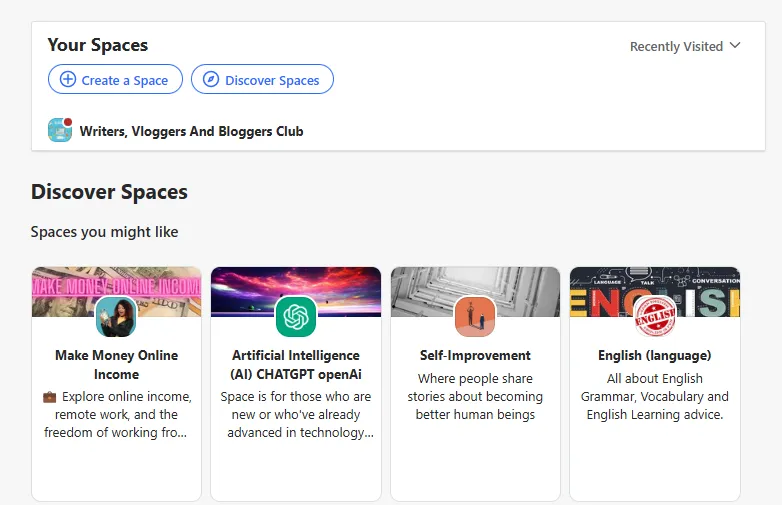
On Quora, you will find people associated with different walks of life, with infinite resources and opportunities to improve your networking. You can join your preferred community and Space:
- Join relevant Spaces (topic communities, whether ChatGPT, Gemini, or Perplexity). Share your best answers there and engage with other contributors. Spaces increase visibility beyond individual Q&A pages.
- Create your Brand Space as a content hub if your team plans to publish regular thought leadership. Spaces can be great for curated guides and recurring content.
6. Run Targeted Quora Ads
Quora Display Ads sit between awareness and intent, and they are useful when you want to amplify high-value answers or run lead-generators. Key options:
- Promoted Answers: amplify an answer to reach more readers.
- Text/Image Ads & Lead Gen Forms: for conversion funnels.
- Targeting: topic, question, keyword, and audience (including custom lists). Use Quora Pixel and Conversion API to measure downstream value.
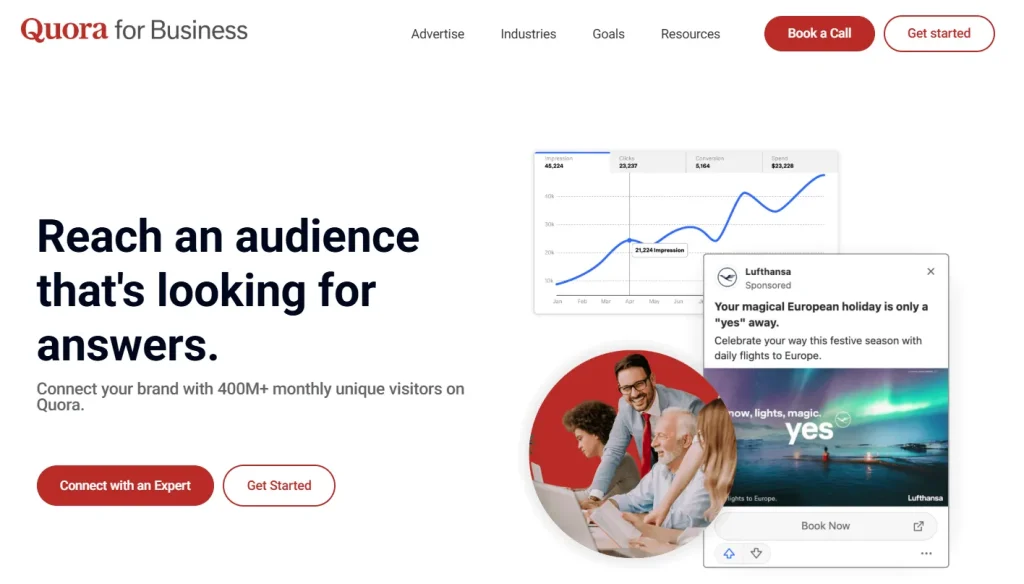
👉 Pro Tip for Budget: Start small (test one promoted answer + one lead form) and optimize for cost per lead or CPA. Quora often performs strongly for niche B2B and niche consumer queries.
7. Track Impact of Your Efforts
Don’t overlook your efforts; they will get you a massive organic audience from Quora because it likes efforts. Therefore, measure both direct and indirect impact:
- Direct: views, upvotes, clicks to your link, leads from Quora Ads / lead forms.
- Indirect: organic search ranking changes, traffic to repurposed blog posts, and new backlinks. Use UTM tags on links to separate Quora traffic in analytics. Implement Quora Pixel for conversion tracking on landing pages.
👉 Aim to track: CTR from Quora → landing page conversion rate → LTV (if applicable).
8. Use Quora for Market Research and Product Development
People might be asking about your services or products on Quora, and it could be a great opportunity for you to answer their questions accordingly.
Quora is a live focus group:
- Monitor recurring pain points, desired features, and the language customers use.
- Save and categorize question threads to inform product roadmaps, FAQ pages, and sales scripts. This is especially effective for early-stage product messaging and pricing experiments.
Common Mistakes to Avoid While Answering on Quora
⚫ Overlinking/Promotional Answers: Quora penalizes blatant self-promo; keep links sparing and contextual.
⚫ Ignoring the Profile: An empty or weak profile reduces trust and engagement.
⚫ Answering Randomly: Focus on questions that match your audience and conversion goals.
Concluding Thoughts on Quora
i
Quora isn’t just another social platform to “be active on.” It’s a high-intent discovery channel where real people search for real solutions and where brands can naturally insert themselves into conversations that matter. When used strategically, Quora becomes a multipurpose growth engine for your brand.
The biggest advantage? You’re meeting users at the exact moment they’re thinking about a problem you solve. Very few platforms offer that kind of intent-driven visibility. If you’ve made up your mind to add it to your marketing strategy, then here is the 30-day roadmap for you:
Quick 30-Day Action Plan
⚫ Week 1: Complete profile, follow 10 topics, find 20 target questions.
⚫ Week 2: Post 5 high-quality answers (use the answer-first format), add UTMs to links.
⚫ Week 3: Join/engage in 3 Spaces; repurpose 2 answers into blog posts.
⚫ Week 4: Run a small promoted answer or ad test; measure CPL and traffic. Iterate.