Smart Ad Monetization Strategies for Bloggers in 2026: Turning Website Traffic Into Sustainable Revenue


Blogging in 2026 is not a creative hobby anymore. Modern blogs operate as digital media brands that attract targeted audiences through search engines, social media platforms, newsletters, podcasts, and mobile content consumption.
As competition across the online publishing industry increases, bloggers are focusing more on sustainable monetization strategies that generate consistent revenue without damaging user experience.
For publishers looking to scale earnings efficiently, using an ad network for bloggers has become one of the most practical solutions. These platforms help connect websites with advertisers while simplifying ad management, audience targeting, campaign optimization, and reporting.
- Blogging has evolved into a professional digital business model.
- Ad networks help bloggers monetize traffic efficiently.
- Audience quality matters more than high traffic volume to boost earnings
- Balanced advertising strategies support long-term growth.
What is Ad Monetization for Bloggers?
Ad monetization for bloggers is the process of earning revenue by displaying advertisements on a blog or website.
Bloggers allow advertisers to place ads within their content, sidebars, videos, newsletters, or mobile pages, and they earn money when visitors view, click, or interact with those ads.
In simple terms, bloggers turn website traffic into income through advertising.
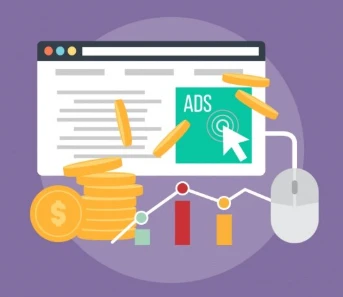
How Ad Monetization Works
A blogger typically joins an advertising platform or ad network that connects publishers with brands and advertisers. Once approved, ads are automatically displayed on the blog based on factors like:
- website niche
- audience interests
- visitor location
- browsing behavior
- content topics
The blogger then earns revenue through different pricing models such as:
- CPM (Cost Per Mille): payment per 1,000 ad impressions
- CPC (Cost Per Click): payment when users click ads
- CPA (Cost Per Action): payment when users complete actions like signups or purchases
Blogging Has Become a Real Digital Business
Modern blogging is no longer limited to publishing articles. Many creators now manage entire content ecosystems that include websites, video content, social media communities, podcasts, and subscriber lists. This shift has transformed blogging into a professional digital business model built around audience trust and content authority.
Because revenue models have matured, creators often diversify their income streams instead of depending on one source alone. Common monetization methods include:
- display advertising
- affiliate partnerships
- sponsored collaborations
- premium memberships
- digital products
- email marketing campaigns
Advertising networks remain one of the most accessible solutions because they allow bloggers to earn from existing website traffic without building direct relationships with advertisers.
How Advertising Networks Help Content Creators
Advertising platforms act as intermediaries between publishers and brands. Instead of negotiating campaigns manually, bloggers can integrate ad placements into their websites and automatically display relevant advertisements based on audience behavior and content categories.
This approach supports monetization across many website types, including:
- technology blogs
- travel websites
- entertainment platforms
- niche communities
- review-based content
- lifestyle publications
For smaller publishers and independent creators, automated advertising tools provide an efficient way to generate revenue while focusing more time on content creation and audience growth.
Modern Advertising Formats Are More User-Friendly
Digital advertising has changed significantly over the past few years. Traditional banner ads still exist, but many modern networks now prioritize formats that create a better browsing experience.
Popular ad formats include:
- native advertising
- in-content ads
- mobile display units
- push notifications
- video advertising
- responsive banners
Native advertising has become especially effective because it blends naturally with page content instead of interrupting the user experience. This can improve engagement while reducing ad fatigue among readers.
Mobile optimization is equally important. Since most blog traffic now comes from smartphones and tablets, publishers benefit from lightweight ad formats that load quickly and adapt to smaller screens.
Traffic Quality Matters More Than High Pageviews
Many advertisers now prioritize audience quality over raw traffic numbers. A focused niche audience with strong engagement often performs better than a large website with low interaction rates.
Several factors influence advertising performance, including:
- session duration
- returning visitors
- geographic traffic sources
- audience interests
- website speed
- user engagement metrics
Because of this shift, successful bloggers increasingly focus on producing high-quality, relevant content that encourages longer visits and repeat readership.
Analytics and Automation Improve Monetization
Modern advertising technology relies heavily on automation and real-time analytics. Advanced systems can analyze user behavior, adjust ad placements, and optimize campaigns automatically based on performance data.
For content creators, this reduces the need for constant manual adjustments while improving monetization efficiency. Automation also helps bloggers balance user experience with revenue generation, which is essential for maintaining audience trust.
Analytics tools additionally provide valuable insights into:
- visitor behavior
- content performance
- ad engagement
- conversion trends
- mobile usability
- traffic sources
These insights help publishers make smarter content and monetization decisions over time.
Why User Experience Still Matters
After Google’s recent spam-focused algorithm improvements, websites that overload pages with intrusive advertising may struggle to maintain visibility in search results. Readers now expect clean layouts, fast-loading pages, and helpful content experiences.
Bloggers can improve both SEO and monetization performance by:
- limiting excessive ad placements
- improving mobile responsiveness
- creating original content
- reducing page load times
- organizing content clearly
- prioritizing reader value
A balanced advertising strategy helps maintain credibility while supporting long-term traffic growth.
Diversification Creates More Stable Revenue
Relying entirely on display advertising can be risky because advertising rates fluctuate based on market conditions, seasonality, and traffic trends.
Successful publishers in 2026 often combine multiple revenue streams, including:
- ad networks
- affiliate partnerships
- sponsorships
- digital products
- paid memberships
- online courses
- consulting services
- email monetization
This diversified approach reduces dependence on a single platform or algorithm update while creating more predictable long-term income.
Turn your Blog Traffic into a Stable Income Stream
Advertising networks continue to play an important role in helping bloggers monetize digital audiences through automated technology and flexible ad formats. As online publishing becomes increasingly competitive, creators benefit from monetization strategies that combine analytics, audience targeting, mobile optimization, and user-friendly advertising experiences.
Modern publishers succeed by combining high-quality content, strong SEO practices, mobile optimization, audience engagement, first-party data strategies, and user-friendly advertising experiences.
People Also Ask
What is the best way for bloggers to monetize traffic in 2026?
The best approach combines multiple revenue streams such as display advertising, affiliate marketing, sponsored content, memberships, and digital products.
Why are ad networks important for bloggers?
Ad networks connect publishers with advertisers, automate ad placements, optimize campaigns, and help bloggers generate revenue without managing direct advertising relationships manually.
How does mobile optimization affect ad revenue?
Most website traffic now comes from mobile devices. Faster loading pages, responsive layouts, and mobile-friendly ad formats improve engagement, SEO rankings, and advertising performance.
What types of ads perform best on blogs?
Native ads, in-content ads, responsive display banners, and video ads often perform well because they create a smoother user experience and higher engagement rates.
Does website traffic quality matter more than pageviews?
Yes. Advertisers increasingly value audience engagement, demographics, session duration, and niche relevance more than raw traffic numbers alone.
How can bloggers improve advertising performance?
Bloggers can improve results by creating high-quality content, improving website speed, optimizing mobile usability, analyzing audience behavior, and limiting intrusive ad placements.