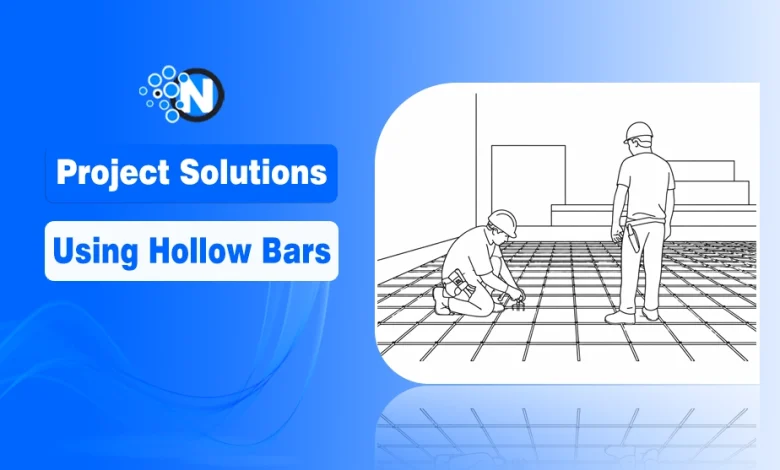
Modern infrastructure projects demand stability, efficiency, and adaptability especially when working in unpredictable ground conditions. That’s where hollow bars stand out.
These engineered steel elements combine drilling, grouting, and reinforcement into a single streamlined process, making them a practical solution for geotechnical and structural applications. Supporting a structure like a building often requires anchor systems that can perform reliably under pressure.
Hollow anchor bars are steel rods with a central void that allows grout to flow through as the bar is drilled into the ground. This dual-function design improves bonding and reduces installation time. If you want a deeper overview of their composition and use cases, you can explore more when you click here.
In this blog post, I will explain the benefits and applications of hollow bars in modern construction projects.
What Makes Hollow Bars Effective?
The Federal Highway Administration has studied the effects of corrosion, and it has found that coating removal can reduce their service life, so the designer should evaluate these possibilities before installing anything. They’ve also proven to perform well in difficult soil conditions like fractured rocks.
The hollow bars from Nucor Skyline are able to increase production rates compared to solid bar anchors.
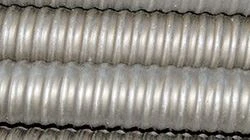
Their threaded exterior works like a screw, helping them grip surrounding soil or rock. Meanwhile, grout injected through the core strengthens the bond with the ground, minimizing movement and increasing load capacity. This combination is particularly useful in unstable terrains, such as clay-heavy or fractured rock environments.
Engineers can also customize these bars with interchangeable drill bits. This flexibility allows teams to adjust to varying geological conditions without switching equipment, an advantage in complex or remote project sites.
Benefits of Hollow Bars for Modern Construction Projects
High-performance hollow bars bring several practical benefits:
- Improved efficiency: Drilling and grouting occur in one step, reducing installation time.
- Reduced equipment needs: Fewer machines are required, which is ideal for confined or low-clearance areas.
- Adaptability: Suitable for a wide range of soil and rock conditions.
- Enhanced productivity: Compared to traditional solid anchors, they often accelerate project timelines.
Manufacturers like Nucor Skyline have developed advanced variations that increase installation speed and durability. However, proper material selection and coating are essential, as studies by the Federal Highway Administration indicate that corrosion protection plays a key role in long-term performance.
Applications Across Infrastructure Projects
The versatility of hollow bars makes them suitable for multiple construction scenarios:
- Bridges: Provide deep anchoring and high load capacity.
- Slope stabilization: Prevent landslides and soil erosion in hillside developments.
- Tunneling: Improve underground safety by reinforcing excavation zones.
- Retaining walls: Strengthen structures that hold back soil in urban or sloped areas.
Their ability to maintain structural integrity in challenging environments makes them a preferred choice for engineers working on critical infrastructure.
Performance in Challenging Ground Conditions
Ground conditions vary widely from loose soil to water-saturated layers. Hollow bars perform well in these environments due to continuous grout injection, which enhances load distribution and bonding strength.
Another advantage is minimal soil displacement during installation. This helps preserve surrounding ground stability, which is particularly important when construction occurs near existing structures or utilities.
Selecting high-quality materials and reliable manufacturers ensures consistent performance, especially in demanding geotechnical applications.
Cost-Effective and Time-Saving
Construction delays can quickly increase costs. Hollow bars help mitigate this risk by combining multiple installation steps into one efficient process.
With fewer equipment requirements and faster execution, contractors can reduce operational expenses. This efficiency is especially valuable in large-scale infrastructure projects where budgets and timelines are tightly managed.
Professionals in engineering often prioritize solutions that balance performance with cost and hollow bars meet both criteria effectively.
Design Flexibility and Customization
Hollow bars are available in various sizes and lengths, allowing engineers to tailor them to specific project requirements. Additional customization options include:
- Interchangeable drill bits for different rock types
- Protective coatings for corrosion resistance
- Adjustable configurations based on environmental conditions
These design choices contribute to long-term reliability and structural safety.
Why Hollow Bars Remain a Preferred Choice?
From slope stabilization to deep foundation support, hollow bars provide a practical and efficient solution for modern construction challenges. Their ability to combine multiple processes, adapt to difficult terrains, and reduce overall costs makes them a valuable asset in infrastructure development.
As construction demands continue to evolve, solutions rooted in proven engineering principles like those outlined in engineering will remain essential for building safer and more resilient structures.