Technology hardware moves fast inside modern businesses. Laptops get replaced, servers are retired, and remote employees return devices from different locations. What many companies overlook is that old hardware still contains both security risks and financial value.
Unused devices may store customer data, internal credentials, or proprietary information, while many still retain resale or refurbishment value. Without proper tracking, businesses risk data exposure, compliance issues, and unnecessary financial loss.
This is why ITAM (IT Asset Management) has become essential. In 2026, companies are under increasing pressure to manage digital infrastructure responsibly as hybrid work, cloud computing, ESG reporting, and cybersecurity regulations continue evolving.
- ITAM helps businesses track and manage devices throughout their lifecycle.
- Retired hardware can still contain sensitive business and customer data.
- Strong ITAM processes improve cybersecurity and compliance readiness.
- Responsible ITAM supports sustainability goals and reduces electronic waste.
- Integrated asset disposition workflows improve visibility and reduce operational risk.
What Is IT Asset Management (ITAM)?
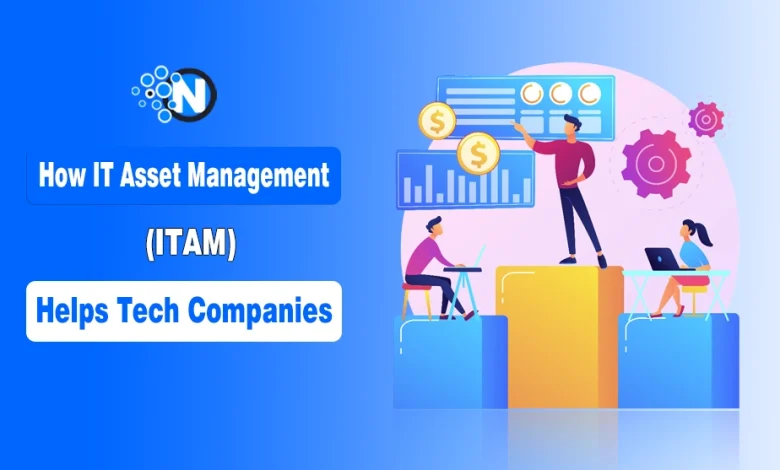
IT Asset Management is the process of tracking and managing technology assets throughout their full lifecycle, from procurement and deployment to retirement and secure disposal.
This includes devices such as laptops, desktops, smartphones, servers, storage systems, networking hardware, and other connected endpoints.
Modern ITAM is no longer limited to inventory tracking. Today, businesses use ITAM strategies to improve security visibility, manage remote devices, support compliance requirements, reduce unnecessary IT spending, and recover value from retired hardware.

Why Modern IT Asset Management Matters More Than Ever
Traditional asset tracking focused mostly on procurement and inventory control. Today, businesses require much broader visibility into how technology assets are deployed, maintained, retired, and disposed of securely.
A strong ITAM strategy helps organizations:
- Improve cybersecurity posture
- Reduce lost or unmanaged devices
- Protect sensitive business data
- Support regulatory compliance
- Extend hardware lifecycle value
- Lower unnecessary IT spending
- Reduce electronic waste
- Improve operational visibility
For SaaS providers, fintech companies, AI startups, enterprise software vendors, and cloud infrastructure businesses, hardware management is now closely connected to risk management and operational resilience.
Retired Devices Still Contain Sensitive Data
One of the biggest misconceptions in cybersecurity is that inactive devices no longer create exposure. In reality, decommissioned hardware often becomes a hidden vulnerability.
Old devices may still contain:
- Customer account information
- Employee records
- Product development files
- Cloud credentials
- Authentication tokens
- Intellectual property
- Financial reports
- Internal communications
Even broken devices can expose recoverable data if storage components are not securely erased or physically destroyed.
This is where ITAM becomes essential for endpoint security and data governance. A mature asset disposition workflow ensures every device is tracked individually and processed according to documented security standards.
Secure IT asset disposition typically includes:
- Serialized asset identification
- Chain of custody tracking
- Certified data sanitization
- Secure transportation procedures
- Device reconciliation reporting
- Audit-ready destruction records
For businesses operating customer platforms or handling confidential information, these controls help reduce the likelihood of accidental data leaks after hardware leaves production environments.
Compliance Requirements Continue Expanding
As organizations grow, asset management becomes more difficult to coordinate manually.
When managing distributed workforces, properly vetting remote contractors and tracking remote teams, international offices, and accelerated refresh cycles becomes critical to prevent devices from disappearing outside formal workflows
Regulated industries such as healthcare, mobile banking, education, government contracting, and enterprise SaaS increasingly require documented proof that hardware containing sensitive information was handled responsibly.
Standards connected to organizations like National Institute of Standards and Technology and privacy regulations influenced by General Data Protection Regulation continue shaping how businesses manage data-bearing assets throughout the technology lifecycle.
A structured ITAM program helps organizations maintain:
- Asset ownership history
- User assignment records
- Device return verification
- Data destruction documentation
- Compliance reporting visibility
This improves audit readiness while reducing operational confusion during security reviews or customer assessments.
Asset Remarketing Helps Recover Financial Value
Not every retired device should be recycled immediately.
Many laptops, smartphones, monitors, networking components, and tablets still hold resale or refurbishment value after leaving active service. Businesses that dispose of equipment too quickly often lose recoverable capital.
A modern ITAM process evaluates device condition before determining the next step.
Possible outcomes may include:
- Internal redeployment
- Certified refurbishment
- Secondary market resale
- Parts harvesting
- Responsible recycling
This approach helps companies avoid two costly mistakes:
- Recycling devices that still retain value
- Allowing unused equipment to depreciate in storage
For finance departments, this improves return on technology investments. For sustainability teams, it supports circular economy initiatives by keeping usable electronics in circulation longer.
Hybrid Work Has Complicated Asset Recovery
Remote and hybrid work environments have transformed device management across the technology sector.
Instead of collecting retired equipment from one office, businesses now recover assets from:
- Employee homes
- Satellite offices
- Coworking spaces
- International contractors
- Temporary project sites
As a result, logistics management has become just as important as technical asset tracking.
An effective ITAM system helps organizations coordinate:
- Device return workflows
- Shipping instructions
- Pickup scheduling
- Delivery confirmation
- Asset reconciliation
- Secure transportation tracking
Without structured processes, businesses often rely on manual spreadsheets or email reminders that create inconsistencies and increase the risk of lost devices.
Responsible E-Waste Management Supports Sustainability Goals
Electronic waste remains one of the fastest-growing environmental concerns tied to digital transformation and enterprise hardware refresh cycles.
Improper disposal of retired technology can damage both sustainability efforts and brand reputation. Customers, investors, and employees increasingly expect technology companies to demonstrate responsible environmental practices backed by documentation.
Responsible IT asset disposition prioritizes:
- Device reuse
- Refurbishment programs
- Certified recycling
- Material recovery
- Safe downstream processing
Organizations aligned with sustainability standards promoted by groups like the Environmental Protection Agency often place greater emphasis on traceable electronics recycling and lifecycle accountability.
Documented recycling and reuse processes help support:
- ESG reporting
- Corporate sustainability initiatives
- Environmental compliance
- Public responsibility commitments
For growing tech companies, sustainability is now closely tied to operational credibility and long-term brand trust.
Why Integrated Asset Disposition Processes Reduce Risk
Some organizations split asset recovery, data destruction, recycling, and remarketing between multiple vendors. While this may seem flexible, fragmented workflows often create accountability gaps and reporting inconsistencies.
A stronger approach combines:
- Secure asset collection
- Logistics coordination
- Data destruction
- Device auditing
- Refurbishment
- Remarketing
- Certified recycling
- Reporting and compliance documentation
Under a single coordinated process.
When evaluating service providers, businesses should look for:
- Secure chain of custody procedures
- Serialized device auditing
- Certified sanitization standards
- Multi-location pickup support
- Transparent reporting systems
- Responsible recycling practices
- Clear asset reconciliation workflows
The goal is complete lifecycle visibility from deployment through final disposition.
How Modern ITAM Improves Security, Compliance, and Hardware ROI
Technology assets continue creating risk and value long after they leave active use. Without structured management processes, retired devices can expose sensitive information, increase compliance gaps, waste recoverable capital, and contribute unnecessarily to electronic waste.
In 2026, ITAM is no longer just an inventory management function. It has become a critical business strategy connected directly to cybersecurity, compliance, sustainability, and operational resilience across the full technology lifecycle.
A disciplined ITAM strategy helps technology companies improve cybersecurity, strengthen compliance readiness, recover hardware value, and support long-term sustainability goals.
As digital infrastructure grows more distributed and regulatory expectations continue increasing, businesses that invest in mature IT asset management processes will be better positioned to protect data, optimize operational efficiency, and reduce environmental impact across the full lifecycle of enterprise technology.
People Also Ask
What is ITAM?
ITAM is the process of tracking, managing, securing, and disposing of technology assets throughout their lifecycle.
Why is ITAM important for cybersecurity?
ITAM helps prevent data leaks by ensuring retired devices are securely tracked, sanitized, and disposed of properly.
Can businesses recover value from old IT hardware?
Yes. Many retired laptops, smartphones, servers, and networking devices can be refurbished, reused, or remarketed.
How does ITAM support compliance?
ITAM provides documentation for asset tracking, device ownership, data destruction, and recycling to support audits and regulatory requirements.
Why is ITAM important for remote work environments?
Hybrid work makes device tracking and recovery more difficult, and ITAM helps businesses manage distributed assets securely.
How does ITAM help reduce e-waste?
ITAM encourages device reuse, refurbishment, certified recycling, and responsible disposal practices to minimize environmental impact.