- Data security is a business-critical priority in 2026, not just an IT task.
- The average data breach cost exceeds $4.8 million, making prevention essential.
- Strong access control, encyption, and MFA can prevent most common attacks.
- Human error remains a top risk—employee training is crucial.
Data is no longer just a business asset; it’s the backbone of your entire operation. From customer records and financial data to internal communications and intellectual property, everything depends on how securely you manage your data.
But here’s the reality…
Most businesses don’t realize how vulnerable their data is until it’s too late.
In 2026, cyber threats are more advanced than ever. AI-powered attacks, ransomware, and insider risks are growing fast. And the impact? It’s not just technical, it’s financial, legal, and reputational.
- The average cost of a data breach has reached nearly $4.4 million globally
- Cyberattacks now hit businesses every 11 seconds
- And many breaches still happen due to basic mistakes like weak access controls or misconfigurations
That means most data breaches are preventable if you follow the right strategies.
In this blog post, I will explain what business data security is, its importance and how you can actually protect your business and customer data.
What is Business Data Security?
Business data security is the practices, tools, and policies used to protect company and customer data from unauthorized access, breaches, and misuse.
It includes:
- Data encryption
- Access control
- Monitoring and threat detection
- Compliance and governance
Importance of Business Data Security
If you think data security is just an IT concern, think again. Today, it’s a business survival strategy.
With over 75% of SMEs using cloud services, data is constantly moving across systems, devices, and platforms . This creates more opportunities for attackers.
At the same time:
- AI tools are expanding the attack surface
- Employees are using multiple devices and apps
- Third-party integrations increase risk
In short, your data is everywhere, and that makes it harder and essential to protect.
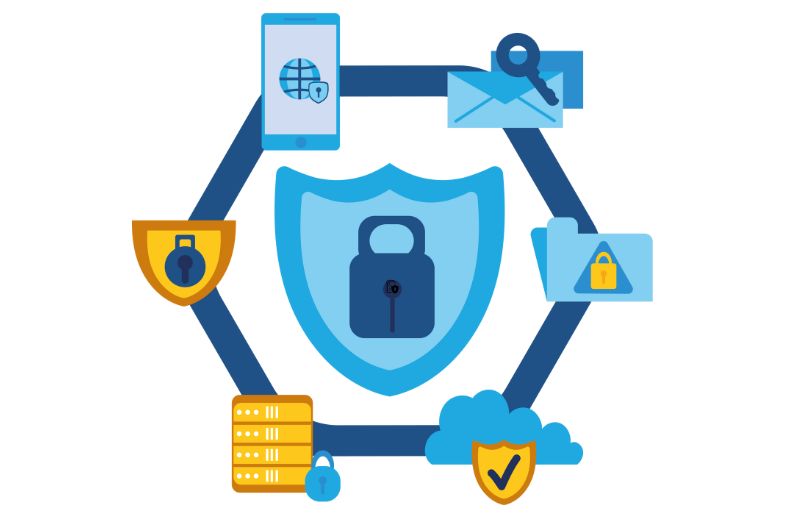
Business Data Security Tips
I have listed some of the best business data security tips for better data protection that every business can incorporate into their security plans:
1. Know What Data You Have (Data Discovery & Classification)
Before you can protect your data, you need to understand it. Many businesses don’t even have a clear inventory of what data they store, where it’s located, or how sensitive it is.
In modern environments, data spreads across cloud platforms, SaaS tools, emails, and internal systems. Without visibility, sensitive information can easily go unprotected.
Best practices:
- Identify all types of data (customer, financial, operational)
- Classify data based on sensitivity
- Map where data is stored and shared
- Regularly update your data inventory
You can’t secure what you can’t see.
2. Implement Strong Access Control
Unauthorized access is one of the biggest causes of data breaches. If too many people have access, or the wrong people do, your risk increases significantly.
Modern security focuses on controlling access at every level.
Best practices:
- Use multi-factor authentication (MFA)
- Apply least privilege access
- Implement role-based access control (RBAC)
- Remove unused accounts and permissions
Strong access control alone can prevent a large percentage of attacks.
3. Encrypt Sensitive Data
Encryption ensures that even if data is stolen, it cannot be read or misused. In 2026, encryption is no longer optional; it’s a standard requirement.
Data moves constantly between systems, making it essential to secure both stored and transmitted information.
Best practices:
- Encrypt data at rest and in transit
- Use strong encryption standards (AES-256)
- Secure encryption keys properly
- Enable encryption in cloud services
4. Use Continuous Monitoring and Threat Detection
Cyber threats don’t wait, and neither should your security.
Many businesses fail to detect breaches early because they lack visibility into their systems. Attackers often stay undetected for weeks or even months.
Best practices:
- Monitor user activity and system behavior
- Set alerts for suspicious actions
- Track data access and transfers
- Use automated threat detection tools
Faster detection can cause less damage.
5. Regularly Update and Patch Systems
Outdated software is one of the easiest ways for attackers to gain access. Vulnerabilities are constantly being discovered and exploited quickly.
Delaying updates gives attackers a window of opportunity.
Best practices:
- Keep all systems and applications up to date
- Apply security patches immediately
- Automate updates where possible
- Regularly scan for vulnerabilities
6. Secure Third-Party Integrations
Modern businesses rely heavily on third-party tools, SaaS platforms, and integrations. While they improve efficiency, they also introduce new risks.
Many breaches now originate from third-party vulnerabilities.
Best practices:
- Regularly review permissions
- Evaluate vendor security before integration
- Limit data sharing with third parties
- Monitor third-party access
7. Ensure Compliance with Data Protection Regulations
Compliance is not just about avoiding fines; it’s about building trust.
Regulations like GDPR and other data protection laws require businesses to handle data responsibly.
Best practices:
- Implement data governance policies
- Follow relevant data protection laws
- Conduct regular compliance audits
- Maintain proper documentation
8. Train Your Employees
Human error remains one of the biggest security risks.
Employees may unknowingly click phishing links, reuse passwords, or mishandle sensitive data.
Best practices:
- Provide regular security training
- Educate about phishing and scams
- Encourage strong password habits
- Promote a security-first culture
Your team is either your biggest risk, or your strongest defense.
Final Words
Prioritizing data security enables businesses to protect their valuable assets, maintain customer trust, and ensure compliance with relevant regulations. This, in return, ultimately supports their long-term success and growth.
When creating a data security strategy for your business, you must include the above mentioned tips and best practices to keep malicious entities away from your business data and information.