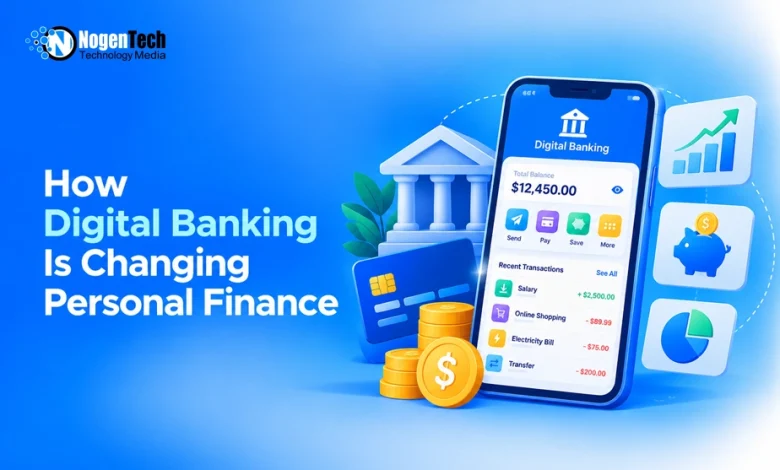
Digital banking has changed how people manage their money. Checking balances, paying bills, transferring funds, and tracking expenses no longer require a bank visit or a monthly statement.
With online and mobile banking, everyday financial tasks are easier to manage, whether at home or on the move. Instant alerts and access to transaction records also make it easier to spot problems before they grow.
But convenience is only part of the change. Digital banking also gives people greater visibility into their finances, with more control over spending, savings, and payments.
What Does Digital Banking Change for Everyday Money Management?
Digital banking makes it easier to track money and manage expenses as they happen. Account balances, transaction histories, and payment details are available within seconds, making it easier to spot unusual activity and avoid missed payments.
Speed is another major benefit. Transfers can be completed quickly, bills can be scheduled in advance, and alerts can flag low balances or large transactions. These features help people stay on top of their finances without relying on ATM visits or monthly statements.
Opening and Managing Bank Accounts Online
Digital banking has also simplified the process of opening an account. Many banks allow customers to complete applications, verify their identity, and apply for a debit card online without visiting a branch.
This is particularly helpful for people who live far from a bank, have limited transportation, or struggle to fit appointments into busy schedules.
Some banks also offer shared account access and parental controls for eligible teen accounts. These options help families manage financial responsibilities while keeping appropriate oversight of account activity.
Mobile Banking Helps Prevent Overspending
Small purchases can add up quickly, especially when several payments come from the same account. Mobile banking apps can help prevent overspending by making it easier to set limits, control card usage, and recognize unnecessary expenses.
A few practical habits can help:
- Set spending limits: Use available card controls to restrict purchases or withdrawals beyond a chosen amount.
- Lock unused cards: Temporarily freeze a debit card when it’s not needed or has been misplaced.
- Manage subscriptions: Identify recurring services that no longer justify their cost.
- Separate spending money: Keep everyday purchases within a set budget rather than drawing from funds reserved for essentials.
- Review spending categories: Identify areas where small purchases regularly exceed the planned budget.
These controls are most useful when paired with realistic spending limits. The goal is to prevent avoidable expenses without making every purchase a complicated decision.
How Online Banking Simplifies Financial Record-Keeping
Keeping track of financial documents can become difficult when bank statements, receipts, and payment records are scattered across different places. Online banking helps by providing access to past statements, downloadable transaction records, and payment confirmations in one place.
These records are particularly useful during tax preparation, loan applications, or financial reviews. Customers can retrieve older statements, confirm previous payments, and share required documents without searching through paper files.
For more detailed expense reports, dedicated budgeting apps can help categorize transactions and organize financial data. This can reduce the time spent preparing records for an accountant or reviewing household finances.
How to Protect Digital Banking Accounts From Fraud
Phishing scams and stolen login details are among the risks of online banking. Fraudsters may impersonate banks through emails or text messages to trick customers into sharing passwords, verification codes, or other sensitive information.
The CFPB warns about fraudulent banking messages that direct customers to suspicious links or request account information.
A few precautions can help protect financial accounts:
- Use unique passwords: Avoid reusing banking passwords across other websites or apps.
- Enable multifactor authentication: Add another verification step to make unauthorized access more difficult.
- Avoid unsecured public Wi-Fi: Use a trusted network or mobile data for sensitive banking activities.
- Keep devices updated: Install security updates to address known vulnerabilities.
- Verify suspicious messages: Contact the bank through its official website or phone number rather than links in unexpected messages.
If an account appears compromised, contacting the bank immediately can help secure access and begin the process of reporting unauthorized transactions.
Building Long-Term Savings With Digital Banking
Saving money consistently can be difficult when it depends on whatever remains at the end of the month. Digital banking offers a more structured approach through savings goals, dedicated savings accounts, and automatic contributions.
Some mobile banking savings tools allow customers to set specific targets, such as an emergency fund or a future purchase, and monitor progress toward each goal. This makes it easier to understand how much is still needed and whether the current savings plan is realistic.
However, lasting financial progress depends on choosing affordable contributions and adjusting them when circumstances change. Digital tools can support that commitment, but consistent saving is what makes the difference over time.
Is Digital Banking Changing Money Management for Good?
Digital banking has made routine financial tasks faster, but convenience matters most when it leads to better decisions. An instant transfer is useful; knowing whether that money is available to spend matters just as much.
The right setup doesn’t need every feature a bank offers. A few reliable tools, regular account reviews, and sensible security habits can make a real difference.
For a closer look at available features, different mobile banking platforms offer various ways to manage payments, accounts, and everyday transactions.