
How Automation Is Solving the Subcontractor Bidding Bottleneck
AI-powered takeoffs and subcontractor software help reduce manual estimating work, speed up bid preparation, and give estimators more time to review quantities, check project details, and prepare competitive proposals.

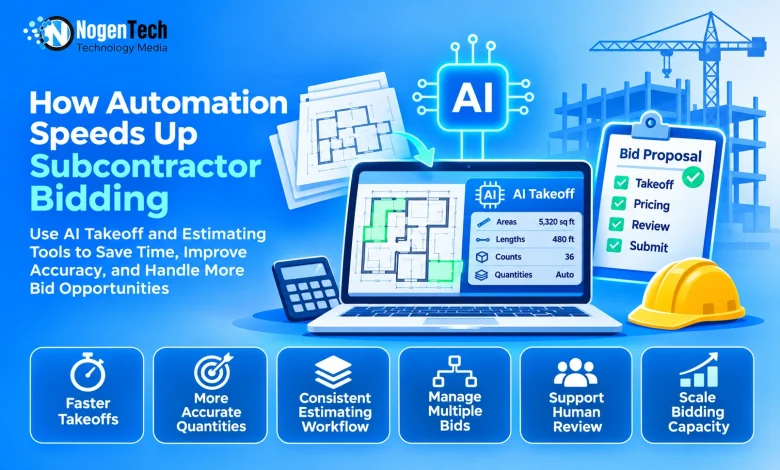
For subcontractors, winning more work is not always about having the lowest price. Often, the bigger challenge is simply getting a bid out on time.
A contractor may send plans late in the week, request pricing on several trades, or expect a quote within a day or two. The estimating team then has to sort through drawings, measure quantities, check specifications, price materials, and build a proposal before the deadline.
That process becomes difficult when several projects are competing for attention at once. One missed detail can affect the entire estimate, while spending too much time on a single bid can mean missing the next opportunity. This is where automation is starting to make a practical difference.
Why Subcontractor Bidding Gets Stuck
Start creating Verdict in seconds, and convert more of your visitors into leads.
The bidding process has several points where work tends to slow down. Takeoffs are one of the biggest.
Estimators often spend hours reviewing sheets and manually measuring areas, lengths, counts, and other quantities. For a small project, that may be manageable. For larger plans with dozens of sheets, revisions, and multiple scopes, it quickly becomes a bottleneck.
There is also the problem of repetition. An estimator may spend much of the day performing similar measurements across different projects instead of reviewing the scope, checking pricing, or working on bids that require more judgment.
The pressure increases when a company receives several invitations to bid at once. Even an experienced estimator can only work through drawings so quickly.
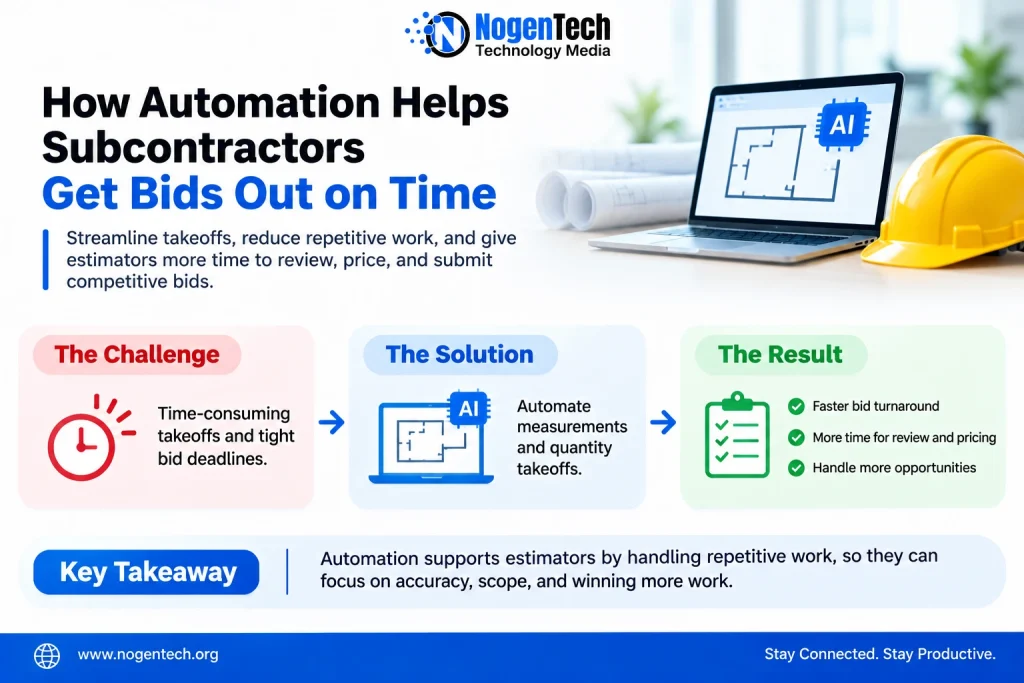
Where Automation Fits Into the Estimating Process
Start creating Verdict in seconds, and convert more of your visitors into leads.
Automation does not have to replace the estimator. Its more useful role is handling the repetitive parts of the process so the estimator can spend more time reviewing and making decisions.
Industry solutions such as construction takeoff software from Autodesk demonstrate how digital measurement tools can streamline quantity calculations and support more efficient estimating workflows.
An ai takeoff can help identify and measure items from digital construction drawings, depending on the trade and the type of plans being reviewed. Instead of starting every measurement from a blank screen, the estimator has a quantity set to review and adjust.
That change may sound small, but it can have a noticeable effect on turnaround time. If the first pass through a drawing takes less time, the team has more room to review the scope, catch discrepancies, and prepare the final proposal.
Automation can also make the estimating workflow more consistent. When the same steps are followed from project to project, there is less reliance on individual shortcuts or manual processes.
Faster Takeoffs Give Estimators More Time to Review
Start creating Verdict in seconds, and convert more of your visitors into leads.
Speed matters in subcontractor bidding, but speed alone does not make an estimate useful. Quantities still need to be reviewed before they make their way into a proposal.
This is one reason automation works best when it supports, rather than removes, human review.
For example, an automated takeoff can provide measurements for the estimator to check against the drawings. The estimator can investigate unusual quantities, confirm the correct scope, and make changes where the plans require interpretation.
This approach shifts the estimator’s role. Instead of spending most of the day measuring every item manually, more time can go toward validating the work and building a competitive bid.
For teams looking to understand the broader impact, AI in Construction Takeoff and Estimating: Cutting Time, Reducing Errors, Boosting Profits is a useful resource.
The Role of Subcontractor Software
Start creating Verdict in seconds, and convert more of your visitors into leads.
Automation becomes even more useful when it is connected to the rest of the estimating workflow.
Modern subcontractor software can bring drawings, takeoff information, pricing, and bid preparation into a more organized process. Rather than moving between disconnected files and spreadsheets, estimators can work from a central project workflow.
This matters when bid volume increases. A company that handles five projects at a time may be able to manage its process manually. Once that number grows, tracking which drawings were reviewed, which quantities were completed, and which proposals are still outstanding becomes much harder.
Good software does not eliminate the need for an experienced estimator. It reduces the administrative work around that expertise.
Residential Contractors Can Benefit Too
Start creating Verdict in seconds, and convert more of your visitors into leads.
Automation is not limited to large commercial projects. Residential contractors and smaller subcontractors can face the same estimating pressures, particularly when they are bidding on several jobs at once.
Projects may have fewer drawing sheets, but estimators still need to measure materials, account for openings and assemblies, interpret plans, and prepare pricing. Residential takeoff software can help streamline these measurements and provide a more repeatable starting point for estimates.
For smaller teams, the time savings can be especially valuable. A business with one or two people handling estimating cannot simply add another estimator every time bid volume increases. Improving the workflow can be a more practical way to handle additional opportunities.
This is where small business automation tools can make a difference, helping smaller teams reduce repetitive tasks and manage growing workloads more efficiently.
What Automation Changes for the Bidding Team
Start creating Verdict in seconds, and convert more of your visitors into leads.
The biggest change is not necessarily that bids become completely automated. It is that the work gets divided differently.
This shift is becoming more common as AI tools for business help teams automate repetitive activities and focus more attention on tasks that require human expertise.
Machines can handle repetitive measurement and data extraction. Estimators can concentrate on the areas where experience matters: interpreting the scope, reviewing drawings, checking quantities, comparing material requirements, and deciding how to price the work.
That division can also make the bidding process easier to scale. If an estimator can review more projects without manually measuring every line and area, the company can consider more bid invitations without automatically increasing its estimating workload.
There is another benefit that is easy to overlook: consistency. A structured workflow makes it easier to follow the same estimating process across different projects and team members.
The Human Check Still Matters
Start creating Verdict in seconds, and convert more of your visitors into leads.
Automation should not mean accepting every generated quantity without question. Construction drawings can be complicated, and project-specific requirements can change what should be included in a takeoff.
Revisions, unclear details, unusual assemblies, and scope exclusions still require someone who understands construction to make the call.
Maintaining clear AI workflow documentation can also help estimating teams track automated processes, review changes, and keep their work consistent across projects.
That is why a review step remains important. Automation can shorten the path from drawing to quantity, but an experienced estimator should still verify the result before it becomes part of a bid.
The goal is not to remove judgment from estimating. It is to reserve more of that judgment for the parts of the job where it has the greatest value.
A More Practical Way to Handle Bid Volume
Start creating Verdict in seconds, and convert more of your visitors into leads.
The subcontractor bidding bottleneck is rarely caused by one single task. It comes from dozens of small activities competing for an estimator’s time.
Automating takeoffs addresses one of the most time-consuming pieces of that process. Combined with estimating and bid-management tools, it can help teams move from drawing review to completed proposal with fewer manual steps.
For subcontractors, that can mean more than faster takeoffs. It can create enough capacity to review more opportunities, respond before deadlines, and spend less time buried in repetitive measurement work.
Automation is therefore less about replacing the estimator and more about giving the estimator a better starting point. When the repetitive work takes less time, the people responsible for the bid can focus on what ultimately determines whether the company wins the project.