
Automation in Beverage Canning: How Modern Canning Machines Handle Speed and Quality Control
Modern canning machines use precision filling systems, digital sensors, automated inspections, and production data to increase speed while maintaining consistent beverage quality.

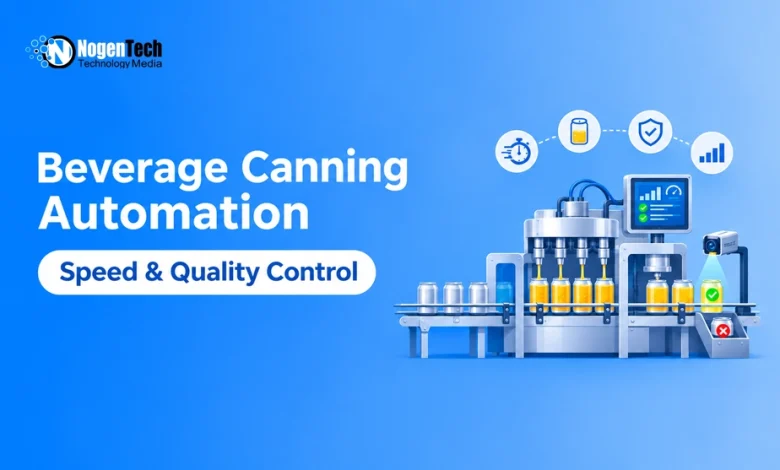
Beverage manufacturers need to increase production speed without compromising fill accuracy, product quality, or packaging safety. Manual and semi-automated canning systems can struggle with inconsistent fill levels, product waste, and oxygen exposure that affects beverage taste and shelf life.
Automated canning machines use precision valves, digital sensors, and programmable controls to coordinate filling, container movement, and quality inspections. These systems help producers maintain consistent output and identify defects before products leave the production line.
How Automated Canning Machines Improve Production Speed
Modern canning machines use automated controls to manage liquid flow, container movement, and production speed.
Key automation components include:
- Electro-pneumatic valves: Control liquid flow and pressure for accurate fills.
- Rotary filling systems: Process multiple containers through continuous production cycles.
- Servomotors: Control conveyor acceleration and deceleration to reduce container collisions and liquid movement.
- Digital sensors: Monitor container positions and process conditions.
- Programmable logic controllers (PLCs): Coordinate equipment operations and production sequences.
These components help maintain consistent production rates and reduce the need for manual adjustments.
How Automated Systems Maintain Quality and Seam Integrity
Production speed alone cannot guarantee beverage quality. Automated quality control systems detect potential defects throughout the canning process.
| Technology | Main Function | Quality Benefit |
| Optical sensors | Verify lid placement before seaming | Reduce improperly sealed cans |
| Seam inspection systems | Check seam dimensions and defects | Identify potential seal problems |
| Under-lid gassing | Reduce oxygen exposure before sealing | Help protect beverage flavor |
| Automatic rejection systems | Remove defective containers | Prevent identified defects from continuing down the line |
Why Seam Inspection Matters?
A properly formed double seam creates a hermetic seal that helps protect the beverage from contamination and oxygen exposure.
Automated inspection equipment can identify dimensional irregularities or visible defects. However, some seam measurements still require mechanical inspection or destructive testing, depending on the equipment and quality requirements.
This makes automated checks and routine seam verification important for reliable packaging quality.
How Production Data Helps Reduce Downtime and Waste
Modern canning lines use PLCs and human-machine interfaces (HMIs) to collect operational data and display equipment status to reduce downtime and waste.
Operators can monitor:
- Production speed: Number of cans processed within a given period.
- Downtime: Equipment stoppages and their recorded causes.
- Fill accuracy: Deviations from target fill volumes.
- Rejection rates: Containers removed due to detected defects.
- Equipment performance: Operational trends that may indicate maintenance needs.
This data helps maintenance teams identify recurring problems, schedule preventive maintenance, and adjust production settings. Advanced systems may also support predictive maintenance through sensor data and equipment condition analysis.
What Automated Canning Means for Beverage Production
Automated canning systems help beverage manufacturers balance production speed with fill accuracy, seam integrity, and product quality.
Precision valves, sensors, automated inspections, and production data reduce dependence on manual checks and provide greater control over packaging operations.
However, automation still requires equipment calibration, routine maintenance, and quality verification to maintain reliable results.