ASML and TSMC Push Chip Industry Toward Larger 12 Inch Masks
ASML and TSMC are moving toward larger 12-inch photomasks for High NA EUV, with Samsung adopting the $400 million machines for memory production two years before TSMC uses them for logic chips.

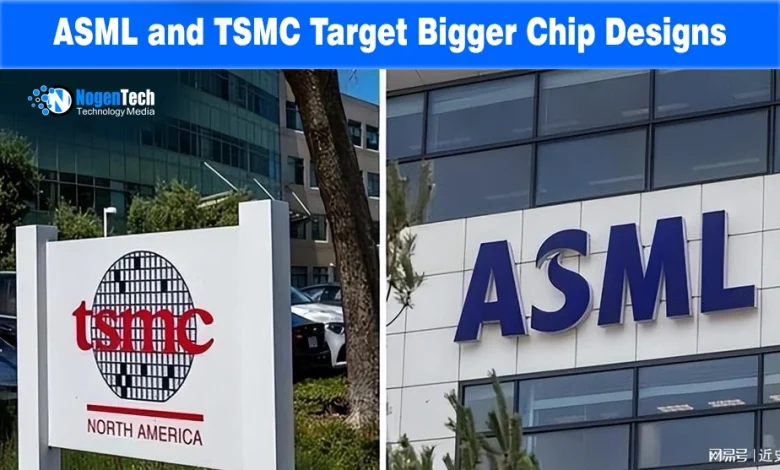
ASML and TSMC announced a joint initiative on September 7 to move the semiconductor industry from 6-inch to 12-inch photomasks for ASML’s High NA EUV lithography systems.
The companies say 6-inch masks are suitable for early High NA adoption, but 12-inch masks could boost fab productivity, lower chipmaking costs, and eliminate stitching, which requires multiple smaller masks to pattern a single large chip.
The South Korean giant Samsung Electronics and Apple’s partner Intel have also joined as early adopters, giving the initiative support from three leading chipmakers before pilot production begins.
The Timeline Reveals an Unusual Order of Adoption
According to ASML, TSMC plans to begin mass-producing advanced logic chips using High NA EUV lithography starting in 2030, increasing its usage as AI workloads require more complex transistor layouts.
Samsung is moving faster by deploying High NA EUV systems into high-volume DRAM memory production by 2028, the very unit behind its projected, and now delivered, 18-fold profit surge.
This puts Samsung two years ahead of TSMC’s logic timeline, despite historically lagging behind the Taiwanese foundry in advanced logic manufacturing.
This difference in timing reflects their immediate business priorities: Samsung is targeting memory chips to supply the AI data center boom, while TSMC is focusing on leading-edge logic processors for key customers like Nvidia and Apple.
Why a $400 Million Machine Needs a Bigger Mask
The economics are just as significant as the timeline.
According to TipRanks, each High NA EUV machine costs about $400 million, making higher output essential to justify the investment.
ASML CTO Marco Pieters told Reuters that the shift could boost tool productivity by up to 40%, helping offset High NA EUV’s high cost.
ASML CEO Christophe Fouquet called the transition inevitable as chip technology advances, while TSMC CEO C.C. Wei said the collaboration can unlock possibilities “no single company could achieve alone.”
Notably, this cooperative tone between the two companies guards their manufacturing roadmaps closely.
Samsung’s Early Move Is a Bet, Not Just a Purchase Order
The more important story is what Samsung’s 2028 commitment says about where it can win.
Samsung has spent years trailing TSMC in advanced logic, but it remains a global leader in memory.
By bringing High NA EUV to DRAM production before TSMC uses it for logic, Samsung is betting that AI’s growing demand for high-bandwidth memory will reward speed, an urgent strategic move in the light of an imminent supply shortage.
Rather than chasing TSMC where it has lagged, Samsung is using the expensive technology to strengthen its position in the memory market.
If Samsung’s DRAM ramp goes smoothly by 2028, it’ll be the clearest evidence yet that Samsung’s turnaround strategy isn’t about beating TSMC everywhere; it’s about picking the one fight it can still win first.
Source: TSMC and ASML Announce Initiative to Pioneer Industry Transition