I still remember opening an online gaming site looking for something quick to play. Ten minutes later, I wasn’t playing anything. I was scrolling through endless titles, unsure which one matched my mood.
That experience made me realize that discovering a game has become almost as important as playing it. Many U.S. players now take the same approach, comparing genres, reading game summaries, and exploring organized libraries before clicking Play.
Whether you’re interested in puzzles, strategy, sports, or casual browser games, knowing how to navigate today’s gaming platforms can help you find experiences you’ll genuinely enjoy instead of wasting time searching.
In this guide, I am going to provide key details on it.
Where Do Players Discover New Online Games?
Most players don’t start by searching for a specific game.
Instead, they usually explore platforms that organize games into clear categories based on genre, popularity, gameplay style, or recently released titles.
Common discovery methods include:
- Browsing browser games and gaming platforms
- Reading game reviews and gameplay guides
- Exploring category pages
- Checking trending games
- Following gaming communities
- Watching gameplay videos
In my experience, community recommendations are usually where social gaming shines. Knowing what makes social games different from traditional games helps you understand why invite links and word-of-mouth are such powerful discovery tools nowadays.
These resources help players understand what to expect before investing time in learning a new game.
Why Do Game Categories Matter?
Modern gaming platforms often contain hundreds or even thousands of games. Without proper organization, finding something enjoyable quickly becomes frustrating.
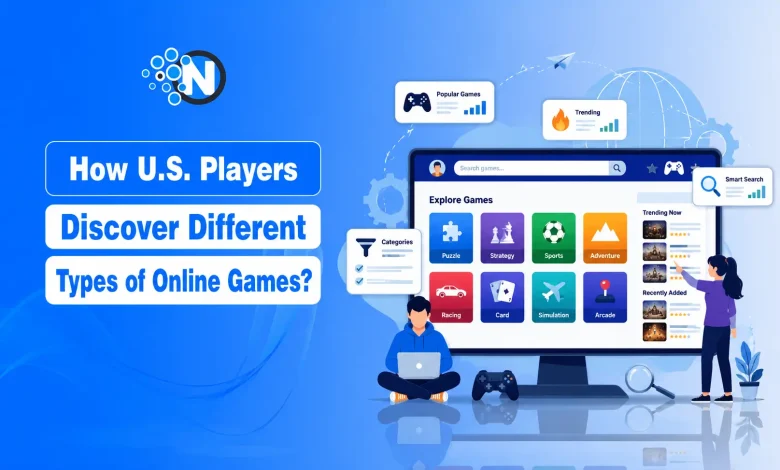
Categories make browsing much easier by grouping similar experiences. Popular categories include:
- Puzzle games
- Strategy games
- Adventure games
- Card games
- Sports games
- Simulation games
- Casual browser games
Rather than searching through every available title, players can immediately narrow their options based on personal interests.
How Does Game Design Influence Player Choice?
Players often decide whether to open a game within a few seconds. Artwork, icons, animations, typography, and screenshots all contribute to that decision.
As discussed in our guide on What Is Game Art, visual design does much more than make games attractive. It communicates the game’s personality, style, and overall experience before gameplay even begins.
Simple interfaces, recognizable artwork, and consistent visual themes also reduce confusion, helping players understand what type of experience a game offers.
Why Do U.S. Players Compare Different Game Types?
Different situations call for different types of games.
Someone with only 10 minutes may prefer a quick puzzle or arcade game, while another player may choose a strategy or simulation title that requires longer sessions.
Before trying something new, many players compare different game categories to better understand:
- Learning curve
- Gameplay mechanics
- Session length
- Skill requirements
- Platform compatibility
- Multiplayer features
Comparing genres helps players spend more time enjoying games and less time installing or opening titles that don’t match their preferences.
How Do Game Libraries Improve Discovery?
Well-designed game libraries remove much of the guesswork from finding new games.
Instead of displaying hundreds of titles in one long list, quality platforms organize games using filters, recommendations, featured collections, and category pages.
Useful features include:
| Library Feature | Why It Matters |
| Genre categories | Faster browsing |
| Search filters | More relevant results |
| Recently added games | Easier discovery |
| Trending collections | Popular recommendations |
| Game previews | Better decision making |
| Mobile compatibility labels | Device awareness |
When navigation feels intuitive, players can focus on exploring games rather than figuring out how the platform works.
How Do Players Evaluate a Game Before Playing?
Most players gather information before clicking Play.
They typically consider:
- Game screenshots
- Gameplay videos
- User reviews
- Feature summaries
- Device compatibility
- Browser support
- Difficulty level
These details help set realistic expectations and reduce the likelihood of abandoning a game shortly after starting it.
For newer players especially, clear information often matters as much as the gameplay itself.
Why Does User Experience Matter Beyond Gameplay?
Playing a game is only one part of the overall experience.
Navigation, loading speed, responsive controls, search functionality, and clear menus all influence whether players continue exploring a platform.
As we explained in our article on Why Players Prefer Personalized Gaming Experiences, users increasingly expect platforms to recommend relevant games instead of displaying the same content to everyone.
Better navigation helps players discover titles they might otherwise overlook while making the entire browsing experience feel more natural.
How Do U.S. Players Explore Different Gaming Platforms?
Every gaming platform organizes its library differently. Some focus on browser games, while others highlight mobile titles, multiplayer experiences, or specific genres.
Because of this, experienced players rarely choose a platform based only on its homepage. They usually compare navigation, available categories, game information, and overall usability before spending time exploring the library.
Many players also use independent gaming resources to understand different game categories before trying something new. For example, PlayUSA slots coverage explains various slot formats, gameplay features, and category differences, helping readers better understand one part of the broader online gaming landscape.
Learning how different game types work makes it easier to decide which experiences match individual interests.
How Does Technology Make Game Discovery Easier?
Finding new games has become much easier than it was a few years ago.
Modern gaming platforms now use technology to organize large game libraries without making them difficult to browse.
Some improvements include:
- Smarter search functions
- Personalized recommendations
- Genre-based collections
- Recently released sections
- Mobile-friendly navigation
- Faster page loading
- Better filtering tools
These features don’t replace player choice. Instead, they reduce the time needed to discover games that fit a player’s interests.
Why Is Responsible Game Discovery Important?
Choosing the right game isn’t only about entertainment. It also means understanding how a game works before spending time on it.
Reading game descriptions, learning basic mechanics, and checking platform information can help players avoid frustration and set realistic expectations.
Players should also consider:
- Whether the game matches their preferred play style
- Device compatibility
- Age recommendations
- Type of Internet connection
- Available accessibility features
- Local laws where applicable
Taking a few minutes to review these details often leads to a better overall experience.
What Should Players Look for in an Online Gaming Platform?
Although every player has different preferences, most people look for similar qualities when exploring a new gaming platform.
A well-designed platform usually offers:
| Feature | Why It Matters |
| Clear navigation | Easier browsing |
| Organized categories | Faster game discovery |
| Responsive design | Better experience on different devices |
| Reliable performance | Fewer interruptions |
| Detailed game information | Better decision-making |
| Regular updates | Fresh content |
| Strong security | Greater user confidence |
Good design doesn’t force players toward certain games. Instead, it helps them discover titles naturally.
People Also Ask About Online Games
How do most U.S. players discover new online games?
Many players browse gaming platforms by category, read gameplay guides, watch videos, and compare different genres before deciding what to play.
Why are game categories useful?
Categories make large game libraries easier to navigate by grouping similar titles together, helping players find games that match their interests more quickly.
Do visuals influence game selection?
Yes. Artwork, screenshots, icons, and interface design often shape a player’s first impression before gameplay begins.
What should players check before trying a new game?
Players should review gameplay mechanics, compatibility, difficulty level, platform information, and available features to decide whether a game suits their preferences.
Why is navigation important on gaming platforms?
Simple navigation helps players spend less time searching through menus and more time discovering games they actually want to play.
Final Thoughts About Finding Online Games
Exploring online games has become about more than finding the newest release. Today’s players want clear categories, intuitive navigation, reliable information, and enough context to understand what each game offers before they start playing.
As online gaming libraries continue to grow, platforms that focus on usability, organized game collections, and a better and secure browsing experience make it easier for players to discover titles that genuinely match their interests.
Whether someone enjoys casual browser games, strategy challenges, puzzle experiences, or competitive multiplayer titles, finding the right game should feel straightforward rather than overwhelming.