Not every game is built with the same goal in mind. Some focus on competition, others on storytelling, while many are designed simply to help people relax and enjoy short gaming sessions with friends or online communities.
After exploring browser-based games, mobile titles, and multiplayer platforms over the years, one difference has become increasingly clear: social games are built around interaction as much as gameplay.
Instead of measuring success only through scores or achievements, they encourage players to connect, share progress, complete daily activities, and return regularly for new experiences.
This guide explains what social games are, how they differ from traditional games, and why they continue to attract players looking for more interactive and community-driven entertainment.
What Are Social Games?
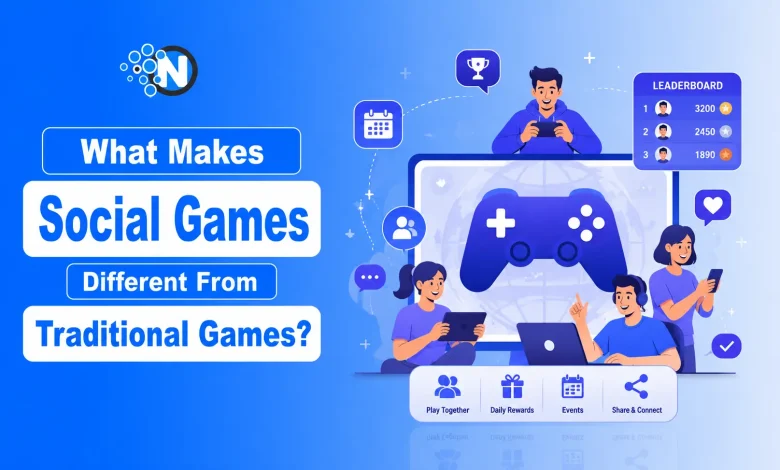
Social games are online games designed to encourage interaction between players rather than focusing only on completing levels or finishing a story.
Many social games include features such as:
- Friends lists
- Leaderboards
- Daily challenges
- Multiplayer activities
- Community events
- Achievement sharing
- Reward systems
These features make gaming feel more interactive by giving players reasons to return and participate with others instead of playing entirely alone.
How Are Social Games Different From Traditional Games?
Traditional games usually focus on completing missions, progressing through storylines, or improving individual skills.
Social games place greater emphasis on player interaction and ongoing engagement.
Some of the biggest differences include:
| Social Games | Traditional Games |
| Community-focused | Story or progression focused |
| Regular events | Fixed gameplay experience |
| Daily rewards | Achievement-based progression |
| Multiplayer interaction | Often single-player |
| Frequent content updates | Larger but less frequent updates |
Neither approach is better—they simply offer different experiences depending on what players enjoy.
Why Do Players Enjoy Social Games?
Many people don’t play social games because they’re trying to become experts.
They play because the experience feels easy to return to.
Instead of committing several hours at a time, players can often join a session, complete a few activities, interact with friends, and continue later without losing progress.
Common reasons players enjoy social games include:
- Short play sessions
- Easy-to-understand mechanics
- Community interaction
- Regular events
- Daily objectives
- Cross-device accessibility
These features make social games appealing to both experienced players and newcomers. Browser-based platforms such as PlayHop have also made casual social gaming more accessible by offering a variety of games that are easy to start without lengthy downloads.
How Do Community Features Keep Players Engaged?
One of the biggest differences between social and traditional games is the role of the community.
Leaderboards, seasonal events, shared challenges, and cooperative activities encourage players to participate regularly instead of finishing the game once and moving on.
Many platforms also introduce limited-time activities that keep the experience fresh without changing the core gameplay.
As we explained in our guide on personalized game recommendations, modern players increasingly expect gaming platforms to recommend relevant content and create experiences that feel tailored to individual interests.
Why Are Social Games Popular on Mobile and Browser Platforms?
Social games work particularly well on mobile devices and modern web browsers because they are designed around convenience.
Players can often continue where they left off without lengthy installations or complicated setup processes.
Whether someone has five minutes during a break or an hour to relax at home, social games make it easy to join a session quickly.
This flexibility has helped browser games and mobile gaming continue attracting millions of players worldwide.
How Does Game Design Influence Social Gaming?
Visual design plays an important role in helping players understand a game’s atmosphere before they even begin playing.
Bright artwork, recognizable icons, intuitive menus, and consistent interface design make games feel approachable for new users.
As discussed in our guide to visual game design, visual identity helps players recognize different game styles while making navigation easier across larger game libraries.
How Do Players Choose a Social Gaming Platform?
Not every social gaming platform offers the same experience. Before joining one, many players compare more than just the available games.
Some of the factors they usually consider include:
- Game variety
- Community features
- Mobile and browser compatibility
- Navigation and interface
- Account security
- Regular content updates
- Overall platform reputation
A platform that’s easy to navigate and regularly updated often provides a more enjoyable experience than one that simply offers a larger number of games.
How Technology Supports Social Gaming?
Technology has made social gaming more accessible than ever.
Cloud infrastructure, responsive web design, and faster internet connections allow players to switch between devices while maintaining a consistent experience.
Modern social gaming platforms also use technology to support features such as:
- Real-time multiplayer interaction
- Cloud-based player profiles
- Achievement tracking
- Personalized game recommendations
- Cross-device synchronization
- Community events
These improvements make it easier for players to stay connected without adding unnecessary complexity to gameplay.
How Do Social Gaming Platforms Build Community?
The strongest social gaming platforms focus on creating an environment where players can return regularly for new experiences.
Instead of relying only on gameplay, many platforms encourage interaction through seasonal events, daily activities, achievement systems, and community participation.
Some platforms also specialize in particular categories of social games. For example, Spree Social Casino showcases how social gaming platforms organize game collections around community participation and casual entertainment. Players interested in discovering new online games often compare different game categories before deciding which experiences best match their interests.
Ultimately, it’s the combination of engaging gameplay, intuitive navigation, and active communities that encourages players to keep coming back.
What Should Players Consider Before Joining a Social Game?
Before creating an account or investing time in any online game, it’s worth checking a few important details.
Consider:
- Whether the platform matches your preferred game style
- Browser and mobile compatibility
- Community guidelines
- Privacy and account security
- Available accessibility features
- Update frequency
- Platform reputation
Taking a few minutes to review these factors can help players choose games that better match their interests and expectations.
Why Is Social Gaming Continuing to Grow?
Social gaming continues to attract new players because it combines entertainment with interaction.
Rather than focusing only on competition, many games encourage players to collaborate, share achievements, participate in community events, and enjoy shorter gaming sessions that fit around everyday schedules.
As gaming continues to evolve, social features have become an important part of how people discover, enjoy, and return to online games.
People Also Ask About Social Games
What makes social games different from traditional games?
Social games emphasize interaction, community features, and regular events, while traditional games often focus on story progression, missions, or individual achievements.
Can social games be played without friends?
Yes. Many social games can be enjoyed individually, although community features such as leaderboards, events, and multiplayer activities often enhance the overall experience.
Why are social games popular on mobile devices?
Their shorter play sessions, simple controls, and quick accessibility make them well suited for smartphones and tablets.
Do social games receive regular updates?
Many social games introduce seasonal events, new challenges, and additional content throughout the year to keep the experience engaging for returning players.
What should players look for in a social gaming platform?
Players should consider game variety, platform usability, community features, security, device compatibility, and regular updates before choosing a platform.
Final Thoughts
Social games have expanded the way people experience online entertainment by combining accessible gameplay with community-driven features. Instead of focusing only on competition or completing a storyline, they encourage players to interact, explore new activities, and return for fresh experiences over time.
Whether someone enjoys browser games, mobile titles, cooperative challenges, or casual online experiences, choosing a platform with clear navigation, engaging communities, and well-organized game libraries makes discovering new games far more enjoyable.
As social gaming continues to evolve, the platforms that prioritize player experience alongside community interaction will remain the ones players return to most often.