- Mobile entertainment has transformed how users consume digital content.
- Personalization plays a major role in improving engagement and retention.
- Mobile gaming helped accelerate interDigital wallet integration improves convenience and user retention.
- Mobile entertainment now overlaps with social media, e-commerce, and creator economies.
Mobile technology has completely changed how people consume entertainment and interact online. Users no longer rely on televisions or desktop computers for content access. Instead, smartphones and connected devices now deliver entertainment instantly through streaming platforms, gaming apps, social media, and interactive communities.
As mobile usage continues growing, entertainment platforms are focusing heavily on personalization, convenience, real-time interaction, and seamless user experiences. This shift is reshaping digital engagement across multiple industries.
In this blog post, I will explain how mobile entertainment platforms are transforming online user engagement in this digital era.
Mobile-First Entertainment Is Changing User Behavior
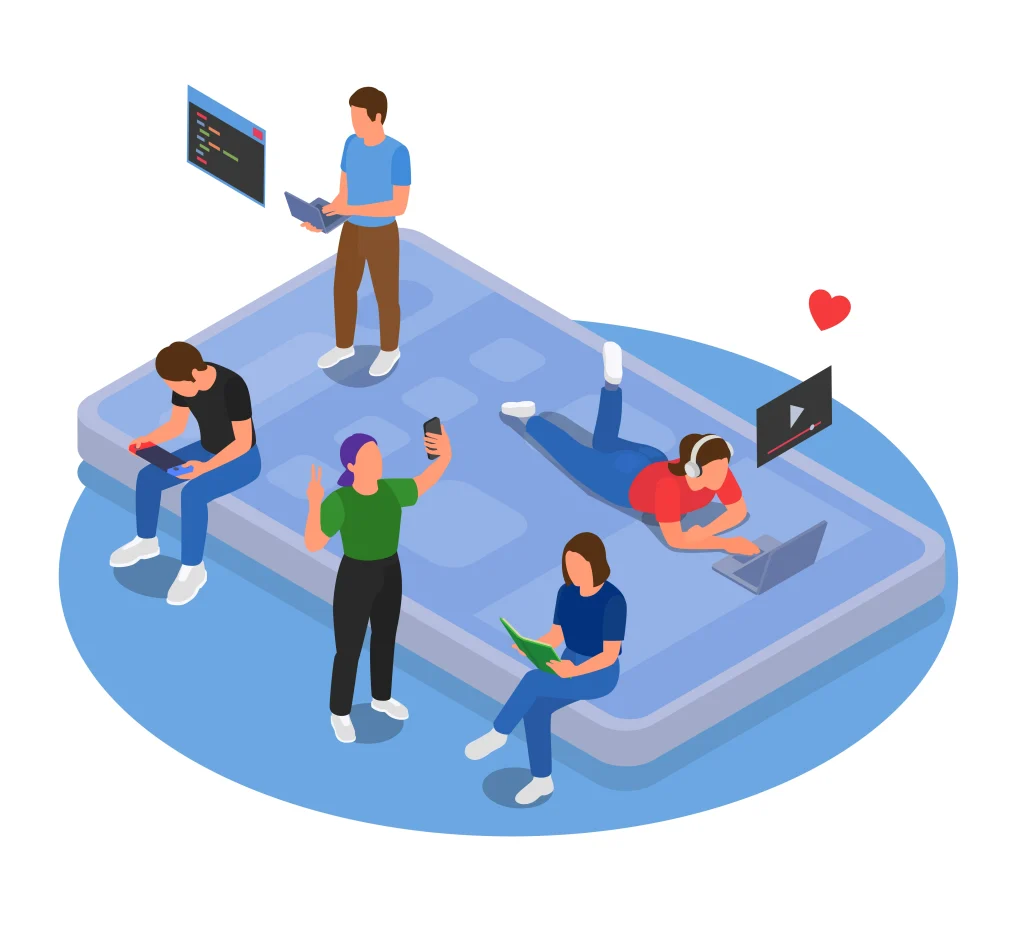
One of the biggest shifts in digital entertainment is the move from passive viewing toward on-demand and interactive experiences. Users now expect instant access to content anytime and anywhere. Streaming services, live broadcasts, mobile gaming, and social media platforms have all contributed to this change in behavior.
Research shows that smartphones now account for a large share of global digital media consumption, making mobile devices the primary entertainment hub for millions of users worldwide.
This trend is especially visible within mobile gaming and app-based entertainment ecosystems. Many users now visit mrq alongside other mobile-first platforms that prioritize smooth navigation, digital wallet compatibility, instant account access, cloud-based infrastructure, and optimized gameplay experiences designed specifically for smartphone users.
Personalization Is Driving Modern Digital Experiences
Personalization has become one of the strongest drivers of digital engagement. Modern platforms use artificial intelligence and behavioral analytics to understand user preferences, viewing habits, and interaction patterns.
Streaming services such as Netflix and Spotify rely heavily on recommendation algorithms to improve content discovery and user retention. Personalized dashboards, curated playlists, and targeted suggestions help users find relevant content more quickly while reducing friction during navigation.
This approach not only improves user satisfaction but also increases the likelihood that users remain active on a platform over time.
Mobile Gaming Accelerated Interactive Engagement
Mobile gaming has played a major role in shaping modern digital engagement patterns. Unlike traditional entertainment formats that focus on passive content consumption, gaming environments encourage active participation through achievements, rewards systems, multiplayer experiences, and progression tracking.
Major companies such as Tencent and Epic Games continue influencing how digital engagement evolves through live-service gaming, multiplayer ecosystems, and cloud-based experiences.
Gaming also helped popularize engagement features like in-app purchases, real-time interaction, and digital reward systems, which are now widely used across many other entertainment industries.
Cross-Platform Accessibility Is Reshaping Expectations
Modern users interact with digital content across multiple devices throughout the day. Smartphones, tablets, laptops, gaming consoles, and smart TVs are all part of today’s connected entertainment ecosystem.
As a result, users expect seamless synchronization between devices. Features such as cloud-based progress tracking, synchronized accounts, and cross-device accessibility have become standard expectations rather than premium features.
Businesses that fail to deliver consistent experiences across devices often struggle to maintain engagement in highly competitive digital markets.
Digital Wallet Integration Improves User Retention
Payment convenience has become another major factor influencing digital engagement. Users increasingly expect transactions to feel secure, fast, and fully integrated into mobile experiences.
Digital wallets, contactless payments, and encrypted transaction systems reduce friction across entertainment platforms. When checkout systems feel overly complicated or slow, abandonment rates increase significantly.
The smoother the payment process feels, the more likely users are to remain active within digital ecosystems.
Data Analytics Continues To Shape Platform Evolution
Behavioral analytics now plays a central role in how entertainment platforms evolve.
Companies use analytics systems to understand how users interact with content, which features drive engagement, and where users lose interest.
Organizations like Wired regularly examine how AI-driven personalization and mobile technologies continue reshaping digital behavior and entertainment trends.
This data helps businesses continuously refine user experiences while improving engagement and retention strategies. However, growing reliance on behavioral analytics has also increased discussions around data privacy, responsible AI usage, and algorithm transparency.
Community Features Are Becoming More Important
Modern digital engagement increasingly revolves around community interaction rather than isolated content consumption. Entertainment platforms now integrate features like live chat systems, interactive livestreams, multiplayer environments, social feeds, and user-generated content.
Platforms such as Discord and Twitch demonstrate how community-driven ecosystems are changing the way users communicate, socialize, and consume entertainment online.
Real-time interaction has become one of the defining features of modern mobile entertainment.
Mobile Entertainment Is Expanding Beyond Traditional Media
The influence of mobile entertainment now extends beyond streaming and gaming. Entertainment ecosystems increasingly overlap with social networking, e-commerce, digital finance, creator economies, online education, and lifestyle applications.
Consumers move between multiple digital environments every day while expecting the same level of speed, personalization, and convenience across all platforms they use.
As technologies such as artificial intelligence, augmented reality, cloud computing, and 5G connectivity continue evolving, mobile entertainment experiences will likely become even more immersive and interconnected.
AI Is Transforming User Engagement
Artificial intelligence is becoming one of the most powerful technologies shaping mobile entertainment. AI systems now help platforms deliver personalized recommendations, predictive content suggestions, automated moderation, and adaptive interfaces that respond to user behavior in real time.
Machine learning algorithms also help businesses identify engagement trends, predict user behavior, and improve retention strategies more efficiently.
As AI technologies continue advancing, mobile entertainment platforms will likely become even more responsive, intelligent, and personalized.
Mobile is the Future of User Engagement
Mobile entertainment platforms are reshaping digital user engagement by combining personalization, convenience, real-time interaction, and mobile-first accessibility into highly connected digital ecosystems.
From streaming services and mobile gaming to interactive communities and AI-powered experiences, businesses are redefining how users consume content and interact online. Companies that prioritize seamless usability, adaptive experiences, secure infrastructure, and audience engagement will remain better positioned to succeed in the increasingly competitive digital landscape.
People Also Ask
What is mobile entertainment?
Mobile entertainment refers to digital entertainment accessed primarily through smartphones, tablets, and connected mobile devices. This includes streaming platforms, gaming apps, social media, live broadcasts, and interactive digital experiences.
Why are mobile entertainment platforms so popular?
Mobile entertainment platforms are popular because they provide instant access, convenience, personalization, and real-time interaction across multiple devices.
How does personalization improve user engagement?
Personalization helps platforms recommend content based on user preferences, viewing history, and behavior patterns, making digital experiences more relevant and engaging.
How has mobile gaming influenced digital engagement?
Mobile gaming introduced interactive engagement models such as rewards systems, multiplayer experiences, achievements, and live events that encourage longer user participation.
Why is cross-platform accessibility important?
Users now switch between multiple devices throughout the day. Cross-platform accessibility ensures seamless experiences across smartphones, tablets, laptops, and other connected devices.
How do digital wallets improve user retention?
Digital wallets simplify transactions by making payments faster, more secure, and easier to complete, reducing friction and increasing user satisfaction.