A great trailer used to require a trailer house, a licensed soundtrack, and a budget most independent creators never had access to. That’s no longer true.
In 2026, the AI movie trailer generator has become one of the most genuinely useful tools available to filmmakers, game studios, authors, and brand storytellers who need their finished work to actually find an audience.
But not all trailer generators are built the same way. Some are single-purpose tools that do one thing well. Others are part of larger creative ecosystems where trailer generation is just one capability among many.
We tested, researched, and ranked the platforms actually worth your time in 2026, and will cover them in this article comprehensively.
What is an AI Movie Trailer Generator?
An AI movie trailer generator is a software tool that uses artificial intelligence to automatically create movie-style trailers from existing footage, images, or written text.
Creators can upload raw clips or simply provide a script or concept, and the AI handles scene selection, pacing, music syncing, and visual effects without the need for a professional editor or trailer house.
These tools use advanced AI to generate content. If you want to learn more about this topic, you should read our comprehensive guide on Artificial Intelligence. It will help you understand what AI is, along with its detailed types.
AI-based movie trailer generators are used to produce film trailers, game trailers, book trailers, and brand or channel promos, making professional-quality trailer creation accessible to independent creators on a limited budget and timeline.
Best AI Movie Trailer Generators in 2026
OpenArt
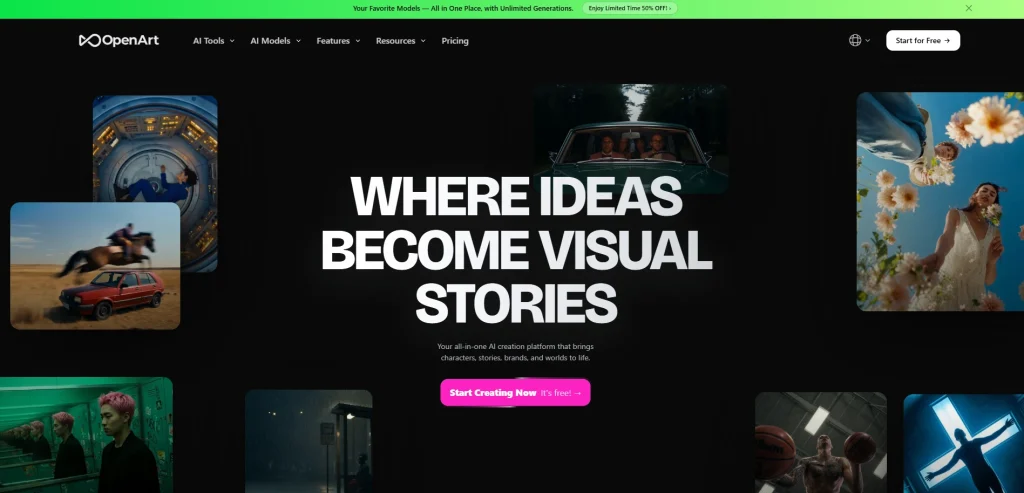
OpenArt combines trailer generation with a full video production workspace, letting creators either upload raw footage and have the AI find and arrange the strongest moments, or generate scenes from scratch using only a text concept.
It is built for creators who need trailers alongside other video tasks, such as background fixes or scene generation, without switching between multiple apps.
This makes it a practical option for indie filmmakers, game studios, and YouTubers who would otherwise need several separate subscriptions to cover the same ground.
Key Features
- Script to Shot direction for building a full trailer from a written script
- Flexible starting points, supporting both uploaded footage and text-only prompts
- Tone and pacing controls for action, emotional, dramatic, or minimal styles
- Built-in music and scene timing for automatic synchronization
LTX Studio
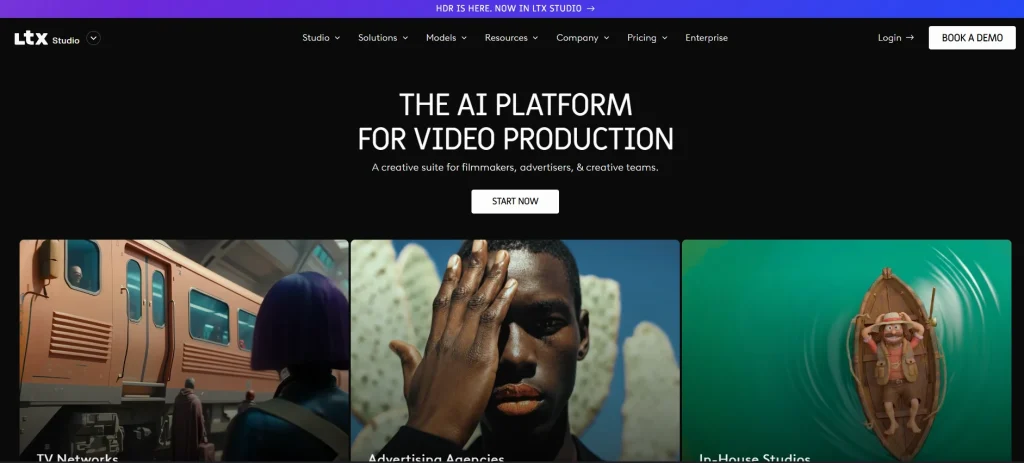
LTX Studio focuses on narrative craft, helping creators turn ideas into cinematic-quality previews built around scene composition and visual storytelling logic.
It suits filmmakers who already have a clear vision for their trailer’s atmosphere and are willing to spend more time directing the AI toward that specific look.
Rather than prioritizing speed, the platform is built for creators who care about getting the mood, framing, and pacing of each scene right before moving to the next.
Key Features
- Strong scene composition tools for narrative-driven sequences
- Visual storytelling logic that prioritizes atmosphere over fast cuts
- Style direction suited to creators with a defined cinematic vision
- Best suited to filmmakers prioritizing craft over speed
ImagineArt Trailer Maker
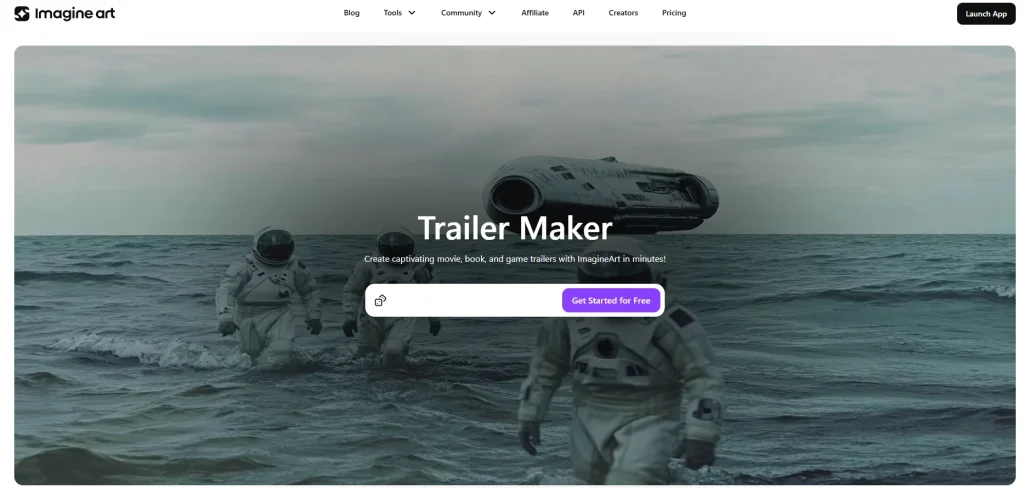
ImagineArt is built around speed, generating 5-second cinematic trailer clips in under five minutes. It works well for tight deadlines and last-minute campaigns, though it tends to produce short segments rather than full multi-scene trailers with a complete narrative arc.
The trade-off is intentional: creators who need a usable teaser fast will get more value from it than those building a polished, multi-act trailer for a finished project.
Key Features
- Fast turnaround, with 5-second clips generated in under 5 minutes
- Predefined cinematic styles for quick style selection
- Camera motion customization for added control
- Lighting controls to adjust mood without starting over
Script to Trailer (OpenCreator)
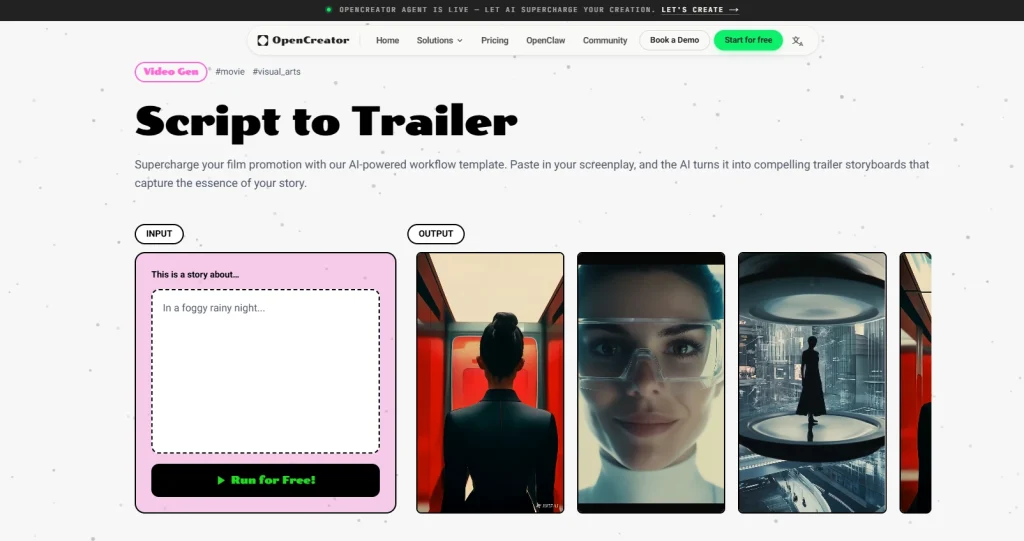
Script to Trailer starts from your screenplay rather than footage. Creators paste in key scenes, loglines, or pages, add genre and tone notes, and the AI converts that material into trailer storyboards and short video sequences.
It is most useful in pre-production, before any footage exists, giving writers and directors a way to test which parts of their script carry the most tension or emotional weight before a single frame is shot.
This early-stage feedback can shape rewrites, help pitch a project to investors or collaborators, and clarify which scenes are strong enough to anchor a trailer once production actually begins.
Key Features
- Screenplay-first input, using scenes or loglines instead of video
- Genre and tone notes to guide the trailer’s direction
- Storyboard generation for visualizing trailer moments early
- Suited to pitch decks and investor materials
Runway ML
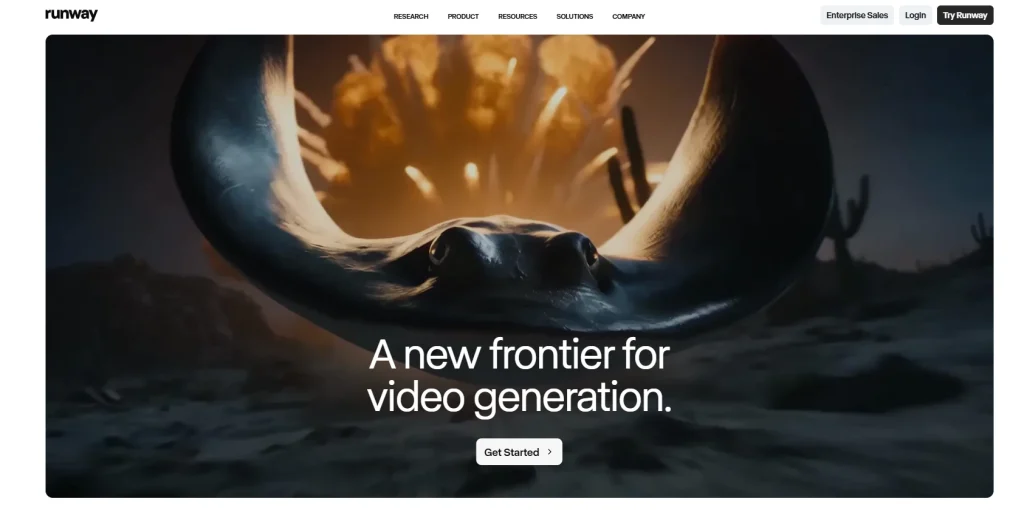
Runway ML is known for Gen-4, a model built to solve one of AI video’s persistent problems: characters and objects shifting in appearance between shots.
Using a reference image of a subject, Gen-4 can generate consistent outputs across different angles and shots, which makes it useful for trailers that need the same character or setting to hold up across multiple scenes.
For trailers built around a recurring protagonist or a consistent world, this kind of continuity is harder to achieve with tools that treat each shot as a separate generation.
One thing worth noticing here is that after generating individual clips with Gen-4, you may need to stitch them together, add transitions, and sync music separately, since Runway outputs short shots rather than a fully assembled trailer.
So, if you are an editor looking for useful resources, read out our guide on the best free video editing software in 2026. It has a list of the best editors that you can try out to edit movie trailers efficiently.
Key Features
- Character and scene consistency across multiple shots using reference images
- Consistent characters, locations, and objects maintained across scenes without fine-tuning
- Generation of 5 to 10-second clips at 720p resolution
- Works from a single reference image rather than a full training set
Quick Recap
| Tool | Best For | Key Strength |
| OpenArt | All-in-one creators | Trailers + full video toolkit in one platform |
| LTX Studio | Filmmakers | Narrative-driven, cinematic visuals |
| ImagineArt | Fast production | Quick 5-second trailer clips |
| Script to Trailer | Screenwriters | Script-first, pre-production workflow |
| Runway ML | Character-driven trailers | Consistent characters across shots |
Which AI Movie Trailer Generator is the Right Pick for You?
The right tool depends on where you are in your project. For an all-in-one platform that handles trailers plus broader video work, OpenArt is the most practical pick.
For cinematic control, speed, pre-production planning, or character consistency, LTX Studio, ImagineArt, Script to Trailer, and Runway ML each serve that specific need better.
For most creators, OpenArt is the best starting point since it covers the widest range of use cases in one place.
The Bottom Line
The gap between finishing a project and having a trailer that does it justice has narrowed dramatically in 2026.
Tools like OpenArt, LTX Studio, ImagineArt, Script to Trailer, and Runway ML each solve different parts of that problem, from full production workflows to fast clips and character consistency.
For most creators, starting with an all-in-one platform like OpenArt before reaching for a single-purpose alternative is the most efficient path forward.
Frequently Asked Questions (FAQs):
What is the best AI movie trailer generator in 2026?
OpenArt is generally considered the best overall choice since it combines trailer generation with broader video production tools in one platform. The right pick still depends on your specific need, such as speed, narrative control, or screenplay-first planning.
Can I create a trailer without any footage?
Yes, tools like OpenArt and Script to Trailer let you generate a trailer from just a text prompt or a screenplay. This makes them useful even before any filming has taken place.
How long does it take to generate an AI trailer?
This varies by tool, with platforms like ImagineArt producing short clips in under five minutes. Full multi-scene trailers from tools like OpenArt or LTX Studio typically take longer since they involve more pacing and scene-building.
Do AI trailer generators add music automatically?
Many platforms, including OpenArt, include built-in music and scene timing that syncs automatically with the cut. This removes the need to source or license a separate soundtrack.
Is Runway ML good for movie trailers?
Runway ML is particularly useful for trailers that need the same character or setting to look consistent across multiple shots. Its Gen-4 model uses a single reference image to maintain that continuity.