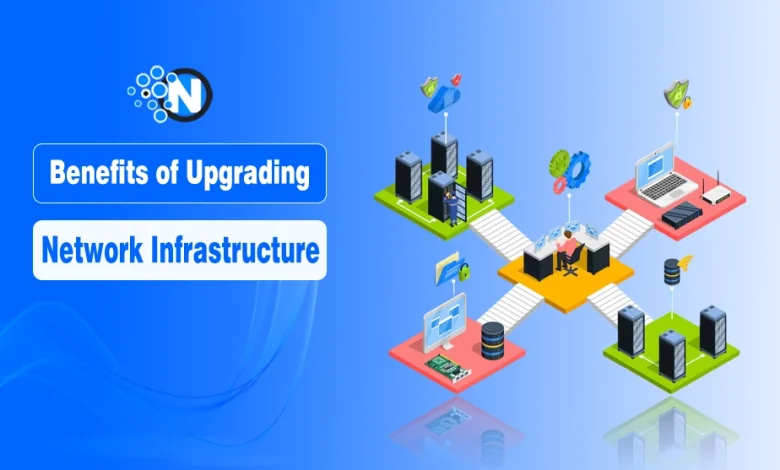
- Modern network infrastructure improves speed, reliability, and efficiency.
- Stronger security reduces the risk of cyberattacks and data breaches.
- Scalable systems support long-term business growth.
- Centralized management simplifies monitoring and maintenance.
- Investing in network infrastructure helps future-proof your business.
A high-performing network is the backbone of modern business operations. From cloud applications and remote teams to real-time communication and cybersecurity, everything depends on how strong, fast, and secure your network is.
If your current infrastructure is slow, unreliable, or difficult to scale, it’s not just an IT issue, but a growth limitation.
Investing in better infrastructure, including professional network cabling services, helps organizations stay competitive in a digitally connected world.
In this blog post, I have listed the ten powerful benefits that show why upgrading your network infrastructure is a smart, future-ready investment.
Why You Need to Upgrade Network Infrastructure?
Upgrading your network is about keeping your business efficient, secure, and competitive.
Modern infrastructure delivers faster performance, stronger protection against cyber threats, and the flexibility to scale as you grow. It reduces downtime, lowers maintenance costs, and supports seamless integration with cloud, IoT, and other emerging technologies.
A reliable network also enhances collaboration, improves customer experiences, and future‑proofs your business against evolving demands.
What are the Benefits of Upgrading Network Infrastructure?
1. Enhanced Speed and Performance
One of the most immediate and noticeable improvements is faster network performance. Modern infrastructure increases bandwidth capacity, reduces latency, and ensures smoother data flow across systems.
Employees can:
- Access cloud applications instantly
- Transfer large files without delays
- Collaborate in real time without lag
Standards developed by the Institute of Electrical and Electronics Engineers help ensure consistent performance across modern networking technologies.
2. Stronger Cybersecurity Protection
Outdated networks are highly vulnerable to modern cyber threats. Upgraded infrastructure includes built-in security layers such as advanced firewalls, encryption protocols, and intrusion detection systems.
Organizations aligning with frameworks like ISO/IEC 27001 can better protect sensitive data and reduce the risk of breaches, ransomware attacks, and unauthorized access.
3. Seamless Scalability for Growth
As your business expands, your network must keep up. Modern infrastructure is designed to scale efficiently, allowing you to add new users, devices, and applications without disrupting operations.
This flexibility ensures that your network supports long-term growth instead of limiting it.
4. Improved Reliability and Uptime
Network downtime can cost businesses both revenue and reputation. Upgraded systems use high-quality hardware, redundancy configurations, and intelligent monitoring to minimize disruptions.
The result is a stable and dependable network that keeps your operations running smoothly.
5. Easier Integration of Modern Technologies
Technologies like cloud computing, AI tools, automation systems, and IoT devices require a flexible and high-capacity network.
Modern infrastructure supports seamless integration with solutions from companies like Cisco, enabling innovation without compatibility issues.
6. Streamlined Team Collaboration
A fast and stable network directly improves how teams communicate and collaborate. Tools like video conferencing, cloud workspaces, and messaging platforms function more efficiently on upgraded systems.
This is especially important for hybrid and remote teams, where connectivity impacts productivity and decision-making.
7. Reduced Maintenance and Operational Costs
Legacy systems often require constant troubleshooting, repairs, and manual oversight. These ongoing issues increase IT costs and reduce efficiency.
Modern networks reduce maintenance needs through:
- Automation
- Predictive monitoring
- More durable hardware
Over time, this leads to significant cost savings and better resource allocation.
8. Centralized Network Management
Managing complex networks becomes much easier with modern infrastructure. Advanced systems provide centralized dashboards that allow IT teams to monitor performance, detect issues, and apply updates from a single interface.
Solutions from Hewlett Packard Enterprise and similar providers simplify network administration while improving visibility and control.
9. Better Customer Experience
Your network directly affects how customers interact with your business. Slow systems can lead to delays, poor service, and lost opportunities.
With upgraded infrastructure, businesses can:
- Respond faster to customer inquiries
- Process transactions smoothly
- Deliver consistent digital experiences
This leads to improved satisfaction, trust, and long-term customer loyalty.
10. Future-Proofing Your Business
Technology evolves rapidly, and outdated infrastructure can quickly become a bottleneck. Upgrading your network ensures compatibility with emerging technologies such as AI-driven systems, advanced analytics, and next-generation connectivity.
It positions your business to adapt, innovate, and stay competitive in an ever-changing digital landscape.
Conclusion: Build a Network That Supports Growth and Innovation
Upgrading your network infrastructure is a strategic investment in your business’s future. From faster performance and enhanced security to better collaboration and scalability, modern networks empower organizations to operate at their full potential.
By aligning with global standards like the Institute of Electrical and Electronics Engineers and adopting reliable solutions, businesses can create a resilient, high-performing network that supports innovation, growth, and long-term success.
People Also Ask
Network infrastructure includes all the hardware, software, systems, and connectivity that enable communication and data transfer within a business, such as routers, switches, servers, and cabling.
You should consider upgrading when you experience slow speeds, frequent downtime, security vulnerabilities, or when your current system cannot support new technologies like cloud computing or remote work.
Modern networks include advanced security features such as encryption, firewalls, and monitoring systems that help detect and prevent cyber threats more effectively than outdated systems.
While there is an upfront investment, upgrading often reduces long-term costs by minimizing downtime, lowering maintenance expenses, and improving overall efficiency.
A strong network improves speed, reliability, and communication, allowing employees to work more efficiently and deliver better services to customers.