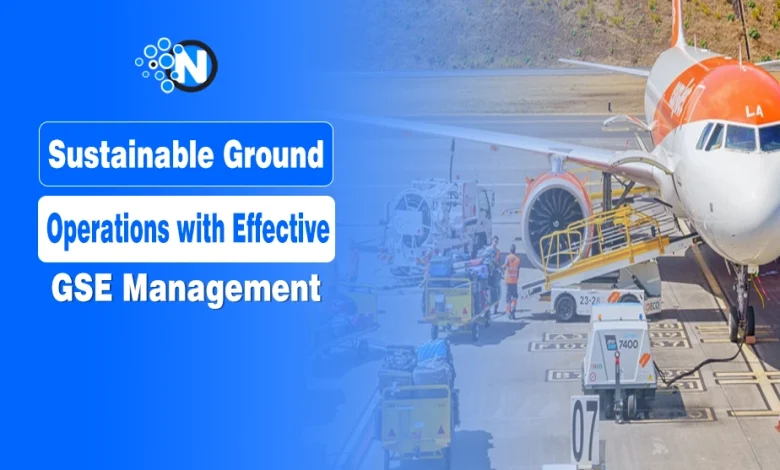
What if the future of sustainable aviation starts on the ground rather than in the air?
As the aviation industry works to reduce carbon emissions and environmental impact, sustainability efforts are extending beyond aircraft operations to Ground Support Equipment (GSE) management.
Traditionally, GSE followed a linear lifecycle of procurement, use, and disposal. Today, airports, airlines, and ground handling companies are adopting circular economy principles that emphasize refurbishment, reuse, remanufacturing, and recycling.
This approach helps extend equipment lifecycles, reduce waste, lower operational costs, and support carbon reduction targets. From pushback tractors and baggage handling equipment to ground power units, circular GSE management is creating more sustainable and resource-efficient airport operations.
In this guide, you will explore how the aviation industry’s shift toward a circular economy is transforming GSE management and advancing long-term sustainability goals.
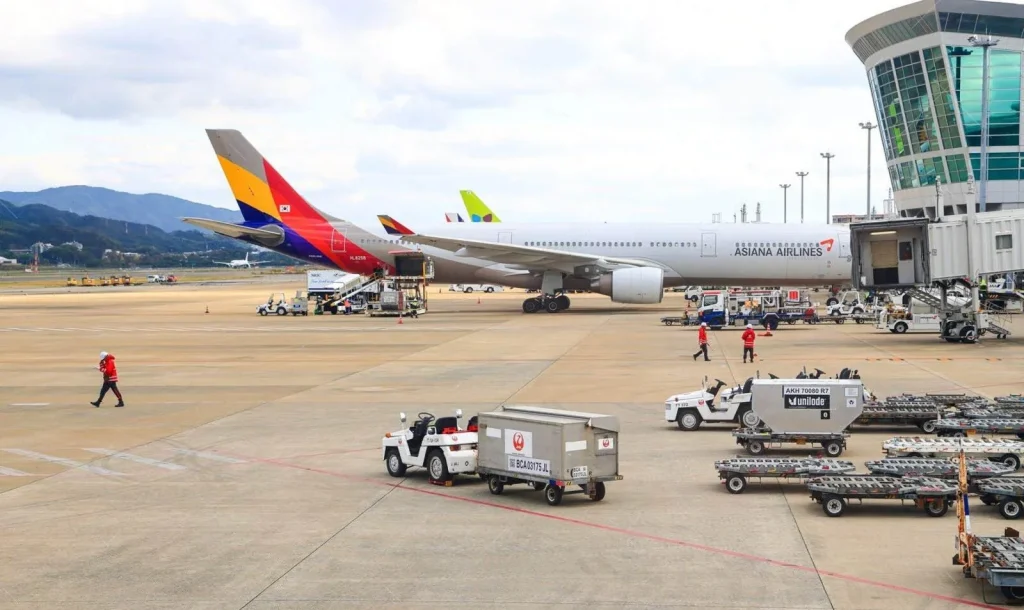
What Is the Role of the Circular Economy in GSE Management?
The circular economy in Ground Support Equipment (GSE) management replaces the traditional make-use-dispose model with strategies that maximize asset value and minimize waste.
Its key circular practices include:
- Extending equipment lifecycles through maintenance and refurbishment
- Reusing and remanufacturing GSE components
- Recovering and recycling materials at the end of an asset’s life
Because aviation depends on large GSE fleets, manufacturing and replacing equipment can consume significant resources and generate waste.
Airports and ground handling operators that adopt circular economy practices can reduce environmental impact while supporting industry sustainability goals, including carbon reduction and airport net-zero initiatives.
Why New GSE Manufacturing Carries a High Environmental Cost?
Manufacturing new Ground Support Equipment (GSE) carries a high environmental cost because it requires significant amounts of raw materials, energy, and water, resulting in substantial environmental impact.
Here are some of the key sources of it:
- Steel and aluminum production
- Engine, hydraulic, and electronic component manufacturing
- Raw material extraction and processing
- Equipment transportation
A single pushback tractor generates considerable CO₂ emissions throughout its production lifecycle. Across large GSE fleets, these emissions add up quickly.
GSE manufacturing also produces industrial waste and uses chemicals that require careful handling, further increasing its environmental footprint.
How GSE Refurbishment Reduces Environmental Impact?
Refurbishing Ground Support Equipment (GSE) providers like AdaptGSE deliver significant environmental benefits compared to manufacturing new equipment.
These are some of the key advantages that you can avail yourself of:
- Reducing carbon emissions by 40–60%, depending on the equipment and refurbishment scope
- Lower energy consumption through the reuse of existing chassis and components
- Reduced material waste through recovery and recycling programs
- Preservation of embodied energy in structural, hydraulic, and mechanical parts
Many refurbishment programs also use recycled or remanufactured replacement components, further supporting circular economy goals.
How Refurbishment Extends the Lifespan of Ground Support Equipment?
Professional refurbishment can extend the lifespan of Ground Support Equipment (GSE) by 10–15 years, reducing the need for new equipment and lowering its environmental impact.
Durable assets such as passenger stairs and belt loaders can often undergo multiple refurbishment cycles. Refurbishment also improves operational efficiency through upgrades such as:
- Fuel-efficient engines
- Optimized hydraulic systems
- Energy-saving LED lighting
These improvements reduce fuel and energy consumption while delivering long-term environmental benefits throughout the equipment’s extended service life.
How Circular Economy Principles Improve GSE Maintenance?
Circular economy principles improve GSE maintenance to a large extent because they extend beyond refurbishment to spare parts and maintenance management.
These are the key practices:
- Using remanufactured and recycled components to reduce new manufacturing
- Implementing predictive maintenance to replace parts based on actual wear
- Reducing waste through optimized maintenance schedules
- Centralizing inventory across multiple airports to minimize excess stock and obsolete parts
These strategies help improve resource efficiency while maintaining equipment performance and reliability.
How Refurbishment Supports GSE Fleet Electrification?
Refurbishment can support fleet electrification by replacing diesel engines with electric powertrains, reducing emissions without manufacturing new equipment.
Common candidates for conversion include:
- Baggage tractors
- Belt loaders
- Other GSEs with predictable duty cycles
Battery upgrades, regenerative braking, and smart charging systems can further improve energy efficiency and reduce operating emissions.
How Circular GSE Management Delivers Economic Benefits?
Circular GSE management delivers both environmental and economic benefits by:
- Lower capital expenditure through equipment refurbishment
- Reduced total cost of ownership
- More accessible sustainability initiatives for smaller operators
- Extended equipment lifecycles through reuse and refurbishment
- Reduced premature disposal of assets
These benefits help organizations improve sustainability while optimizing operational costs.
How Environmental Regulations Support Circular GSE Management?
Environmental regulations increasingly support equipment refurbishment and lifecycle extension as part of broader sustainability efforts.
The key developments are:
- Circular economy policies that encourage asset reuse and refurbishment
- Carbon accounting frameworks that recognize emissions savings from refurbished GSE
- Growing emphasis on lifecycle management in sustainability reporting
As regulations continue to evolve, organizations that adopt circular GSE management may gain a compliance and sustainability advantage.
How to Implement a Circular GSE Management Strategy?
Implement a circular GSE Management strategy by:
- Successful circular GSE management starts with assessing existing fleets to identify refurbishment opportunities.
- Equipment approaching the end of its service life should be evaluated for restoration before considering replacement.
- Working with experienced refurbishment providers helps ensure quality, reliability, and long-term asset planning.
- Incorporate lifecycle considerations into procurement decisions to support circular economy goals and maximize asset value.
How Technology Is Advancing Circular GSE Management?
Modern technologies are enhancing circular GSE management by improving asset tracking, maintenance planning, and lifecycle optimization.
Digital twins and artificial intelligence help predict maintenance needs, while blockchain provides greater transparency into equipment history and performance.
Advances in materials, such as durable coatings and bio-based fluids, can further improve refurbishment outcomes. In addition, autonomous system retrofits allow operators to upgrade existing equipment without replacing entire fleets, supporting long-term sustainability goals.
People Also Ask
What is circular GSE management?
Circular GSE management focuses on extending equipment lifecycles through refurbishment, reuse, remanufacturing, and recycling.
What types of GSE can be refurbished?
Common examples include pushback tractors, baggage tractors, belt loaders, passenger stairs, and ground power units.
Is a refurbished GSE reliable?
Yes. Professionally refurbished GSE can provide reliable performance and meet operational requirements.
How does circular GSE management support sustainability?
It reduces waste, conserves resources, and lowers the environmental impact of airport operations.
Can small airports benefit from circular GSE management?
Yes. Circular strategies help operators of all sizes reduce costs and improve resource efficiency.
What is the difference between refurbishment and remanufacturing?
Refurbishment restores equipment to a good working condition, while remanufacturing rebuilds it to meet specific performance standards.
How do operators determine if GSE should be refurbished?
They assess factors such as equipment condition, maintenance history, and refurbishment costs.
Does circular GSE management help reduce operating costs?
Yes. It lowers capital expenditure, extends asset life, and reduces replacement costs.
Finally, Why Circular GSE Management Is Essential for Sustainable Aviation
Circular economy principles in GSE management offer measurable environmental and economic benefits. Refurbishment extends lifecycles, reduces emissions by up to 60%, and lowers costs, making sustainability achievable for operators of all sizes.
Shifting from linear procurement to circular strategies transforms GSE into long-term assets. With professional refurbishment and strategic planning, aviation operators can achieve environmental goals while maintaining operational excellence.