Top 10 Social Media Platforms for Businesses in 2026

In 2025, research revealed that 72-84% of Americans actively used at least one social media platform, spending an average of 2 to 2.5 hours daily scrolling, watching, messaging, and shopping. That behavior has only intensified heading into 2026.
This is why social media is no longer just a marketing channel. It is where businesses build trust, drive sales, and compete for attention in real time. With billions of users spread across multiple platforms, the real challenge is not being present everywhere, but choosing the platforms that actually deliver results.
Some networks are powering B2B growth, others dominate video commerce, and a few have become customer engagement engines. In this guide, you’ll explore the top 10 social media platforms for businesses in 2026 to help you focus your time, budget, and strategy where it matters most.
Social Media Usage Statistics
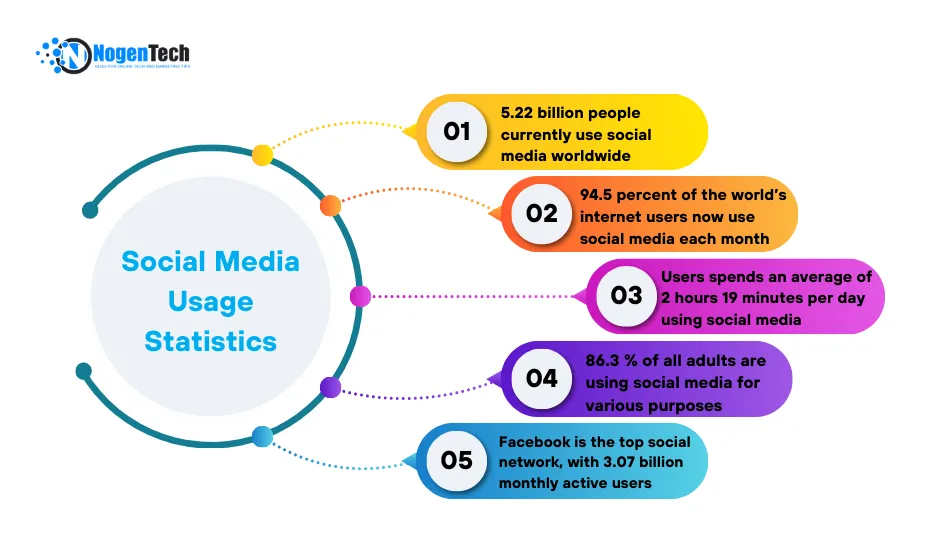
Social media platforms almost tripled their total usage in the last decade, and here are some social media usage statistics for your reference:
- 5.22 billion people currently use social media worldwide.
- 94.5 % of the world’s internet users now use social media each month.
- Users spend an average of 2 to 2:30 hours daily using social media.
- 86.3 % of all adults are using social media for various purposes.
- Facebook is the top social network, with 3.07 billion monthly active users.
Popular Social Media Platforms for Businesses
Monthly Active Users (in millions)






Data sourced from Statista | February 2025
View Full Statistics on StatistaWhy Social Media Platforms are Important
Social media platforms play a critical role in modern business growth because they connect brands with audiences where they already spend most of their time. Beyond visibility, they support engagement, trust, and revenue generation in ways traditional marketing cannot.
Here’s why social media platforms are important:
- Brand visibility at scale: Reach millions of potential customers globally without massive advertising budgets.
- Direct customer engagement: Communicate with your audience in real time through comments, messages, and live content.
- Lead generation and sales: Drive traffic, capture leads, and convert users directly through shoppable posts and ads.
- Trust and brand credibility: Consistent presence builds authority and long-term customer loyalty.
- Data-driven insights: Access analytics to understand audience behavior, preferences, and content performance.
- Competitive advantage: Stay relevant by adapting quickly to trends, conversations, and customer feedback.
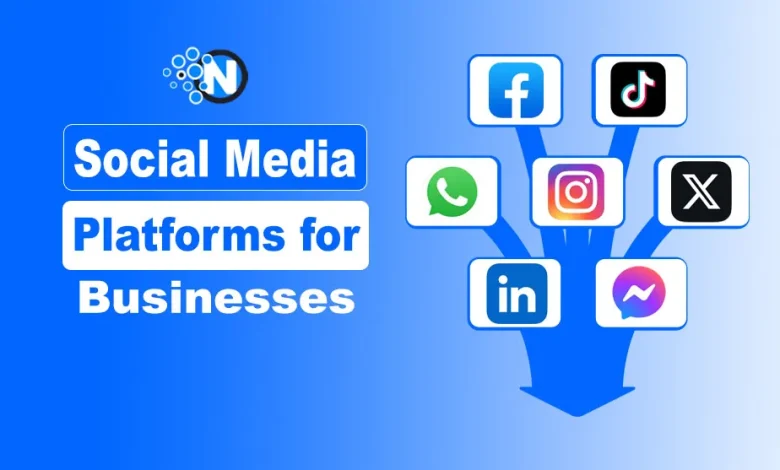
Businesses have numerous options when it comes to using social media marketing. Popular social media platforms such as Facebook, Twitter (X), LinkedIn, Instagram, and YouTube offer businesses the opportunity to promote their products and services in a variety of ways.
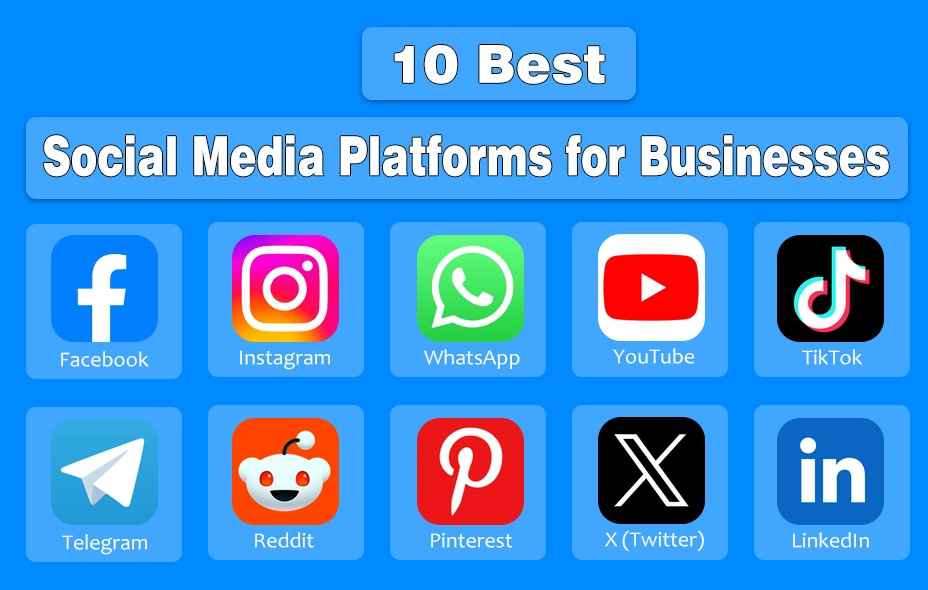
10 Best Social Media Platforms for Businesses
Choosing the right social media platform can feel overwhelming. Each platform serves a different audience, content style, and business goal. Below are the 10 best social media platforms businesses should prioritize in 2026, based on reach, features, and growth potential.
Facebook remains one of the most versatile social media platforms for businesses in 2026. With its massive global user base, it allows brands to reach diverse demographics through Pages, Groups, Events, Marketplace, and highly targeted advertising.
Businesses can run detailed ad campaigns based on interests, behavior, location, and purchase intent. Facebook Groups help brands build communities, while Messenger enables direct customer communication.
For local businesses, Facebook remains especially powerful due to reviews, check-ins, and location-based discovery. Its mature analytics and video ad ecosystem make it a reliable platform for brand awareness, engagement, and conversions.
Best for:
- B2C businesses
- Local businesses
- E-commerce stores
- Community building
Instagram is a visually driven platform that helps businesses tell their story through images, short videos, Stories, and Reels. In 2026, it continues to dominate lifestyle, fashion, beauty, and creator-led commerce because of its vast reach model.
Instagram Shopping allows brands to tag products directly in posts to reduce friction between discovery and purchase. Reels boost organic reach, while Stories enable daily engagement, and behind-the-scenes content connects the audience with businesses.
Influencer marketing thrives here, which makes it ideal for brand collaborations. For businesses that rely on aesthetics, visual storytelling, and emotional connection, Instagram remains a core growth channel.
Best for:
- Fashion and beauty brands
- Lifestyle and travel businesses
- Visual-centric products
- Influencer marketing
WhatsApp has become a powerful business communication platform rather than just a messaging app. Through WhatsApp Business and the Business API, companies can provide customer support, send order updates, automate replies, and manage inquiries at scale.
Its high open rates make it extremely effective for transactional messages and personalized communication. Customers prefer WhatsApp for quick, direct interactions with brands, which builds trust and loyalty, and drives conversions.
Best for:
- Customer service
- Small businesses
- Direct communication with customers

YouTube is the leading platform for long-form video content and remains essential for businesses focused on education, demonstrations, and storytelling. Brands use YouTube to publish tutorials, product reviews, explainers, interviews, and live streams, which connect them with their audience.
YouTube Shorts also allows businesses to tap into short-form video trends while benefiting from YouTube’s search-driven discovery. As the second-largest search engine globally, YouTube helps businesses build authority and long-term visibility to their audience.
Best for:
- Content creators
- Educational businesses
- Entertainment and media
- Product demonstrations

TikTok has changed how brands approach content marketing with its fast-paced, authenticity-driven format. Businesses succeed on TikTok by creating relatable, trend-based, and entertaining videos rather than polished ads because the audience wants entertainment.
The platform excels at viral discovery, even for new accounts with no followers. TikTok Ads, influencer partnerships, and live shopping features make it a strong channel for product launches and brand awareness.
Best for:
- Entertainment and media
- Fashion and beauty brands
- Youth-oriented products
- Viral marketing

Telegram is widely used for broadcasting content, building communities, and direct communication at scale without third-party intervention. Businesses use Telegram channels to share updates, promotions, articles, and exclusive content without algorithmic limitations.
Groups enable community discussions, while bots automate tasks like customer support, notifications, and onboarding. Its focus on speed, privacy, and reliability makes it attractive to tech-savvy audiences, which is a specific niche.
Best for:
- Tech-savvy businesses
- Community building
- Content distribution
- Direct communication with customers
👉 Pro Tip: Telegram is banned in some countries due to concerns over encryption, limited moderation, and regulatory control. It remains legal in the USA because free-speech laws and existing legal frameworks address misuse without banning the platform.
Reddit is a community-driven platform built around niche interests and authentic conversations. Businesses use Reddit to understand audience pain points, validate ideas, and engage in meaningful discussions through subreddits.
Unlike other platforms like Reddit, overt advertising often fails here; value-driven participation succeeds. Reddit Ads allow brands to target specific communities, while AMAs help build transparency and trust with audiences, because fake speech bans communities.
Best for:
- Tech and gaming companies
- Niche communities
- Market research
- Authentic engagement
Pinterest functions more like a visual search engine than a traditional social network. Users actively look for inspiration, ideas, and products, which makes it ideal for discovery-based marketing. Businesses can create Pins, boards, and shopping catalogs that drive long-term traffic.
Content on Pinterest has a longer lifespan compared to other platforms, continuing to generate clicks months later. In 2026, Pinterest remains especially effective for home decor, fashion, food, DIY, and event-planning brands that benefit from visual inspiration and purchase intent.
Best for:
- Home decor and DIY
- Fashion and beauty brands
- Food and recipes
- Wedding and event planning
X, formerly Twitter, focuses on real-time conversations, trends, and updates, which makes it ideal for fast communication and brand voice building. Businesses use X for announcements, customer support, thought leadership, and participating in trending topics.
Hashtags and live discussions increase discoverability, while Spaces allow live audio engagement. In 2026, X remains relevant for tech companies, media outlets, SaaS brands, and founders who want to stay visible in ongoing conversations and respond quickly to customer feedback.
Best for:
- News and media companies
- Tech and SaaS businesses
- Customer service
- Real-time engagement
LinkedIn is the most powerful platform for B2B marketing and professional branding. Businesses use it to generate leads, recruit talent, and establish industry authority through company pages, articles, and thought leadership posts.
LinkedIn Ads enable precise targeting based on job title, industry, and company size. In 2026, LinkedIn remains essential for professional services, SaaS companies, and enterprises focused on decision-makers.
Best for:
- B2B businesses
- Recruitment and HR services
- Professional services
- Industry thought leadership
Final Thoughts on Social Media Platforms
Social media enables businesses to reach wider audiences, build lasting relationships, and promote products in a highly interactive environment. It also helps shape brand identity, trust, and customer loyalty through direct engagement.
When selecting social media platforms for your business, always consider your target audience, industry, and goals. No single platform works for everyone. The key to success in 2026 is focusing on the platforms that align with your business strategy and consistently delivering value-driven content.