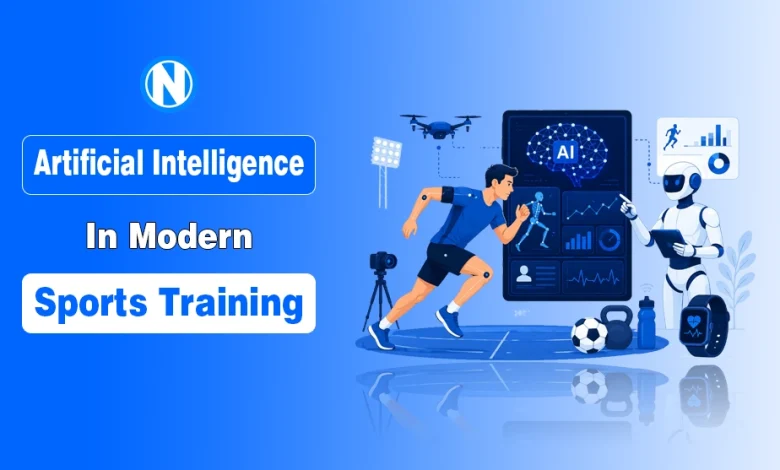
Sports training has evolved far beyond traditional coaching methods and manual performance reviews. Athletes and coaches now rely heavily on data, smart analytics, and real-time insights to improve performance and gain a competitive advantage.
Artificial intelligence is becoming one of the biggest drivers of this transformation.
From analyzing movement patterns to predicting injuries and optimizing training programs, AI is changing how athletes train across almost every sport. Professional teams, fitness coaches, sports academies, and even amateur athletes are now using AI-powered tools to improve accuracy, efficiency, and decision-making.
As sports become more data-driven in 2026, artificial intelligence is helping athletes train smarter instead of simply training harder.
- AI is transforming sports training through real-time performance analysis.
- Wearable devices and motion tracking improve athlete monitoring.
- AI helps prevent injuries by identifying fatigue and movement risks.
- GolfWiz AI Golf Swing Analyzer uses biomechanical analysis to improve golf swing performance.
- Human coaching remains important alongside AI-driven insights.
What Does Artificial Intelligence Mean in Sports Training?
Artificial intelligence in sports training is the use of machine learning, computer vision, predictive analytics, and smart automation to analyze athletic performance and improve training outcomes.
AI systems collect and process data from multiple sources, such as:
- Wearable fitness devices
- Smart cameras
- Motion sensors
- GPS trackers
- Video analysis software
- Biometric monitoring tools
The goal is to help athletes and coaches make better decisions based on real-time performance insights. Instead of relying only on observation and manual coaching, AI can identify movement inefficiencies, track progress, monitor fatigue levels, and recommend personalized training adjustments.
Modern AI systems are now being used in:
- Football
- Basketball
- Golf
- Tennis
- Baseball
- Cricket
- Athletics
- Fitness training
- Rehabilitation programs
This technology is making sports training more precise, measurable, and personalized than ever before.
How AI Is Changing Sports Training
Artificial intelligence is transforming sports performance by improving training accuracy, injury prevention, athlete monitoring, and strategic planning.
Below are some of the biggest ways AI is changing sports training in 2026.
1. Real-Time Performance Analysis
One of the biggest advantages of AI in sports training is the ability to analyze athlete performance instantly.
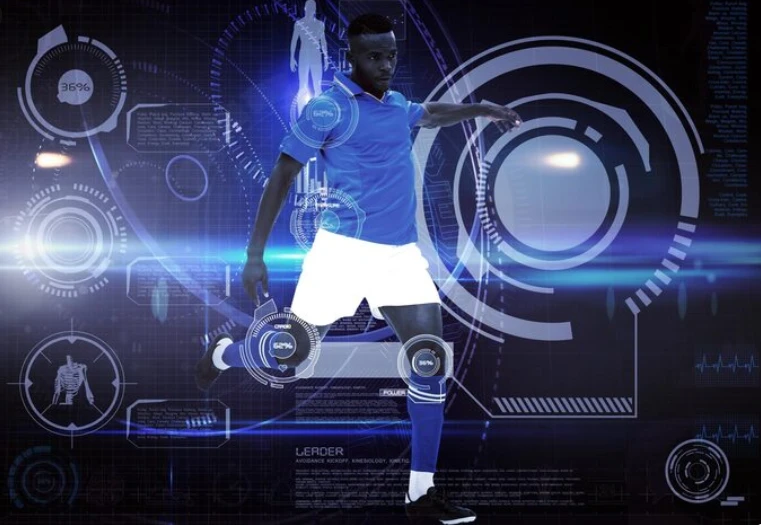
AI-powered systems use cameras, sensors, and computer vision technology to track body movement in real time and provide immediate feedback.
This helps athletes:
- Improve technique faster
- Correct mistakes instantly
- Measure performance more accurately
- Track progress over time
- Identify inefficient movement patterns
In sports like golf, motion analysis tools are becoming increasingly popular because small technical adjustments can significantly impact performance.
For example, GolfWiz AI Golf Swing Analyzer uses motion tracking, pose estimation, and biomechanical analysis to detect swing flaws across setup, takeaway, backswing, impact, and follow-through. By combining AI-driven motion analysis with real-time recommendations, the platform helps golfers identify mistakes faster and improve practice efficiency.
This type of AI-assisted coaching allows athletes to receive detailed technical feedback without needing constant in-person instruction.
2. Personalized Training Programs
Every athlete has different strengths, weaknesses, recovery speeds, and physical limitations.
AI allows coaches to create highly personalized training programs based on individual performance data.
AI systems can analyze:
- Fitness levels
- Heart rate patterns
- Recovery time
- Sleep quality
- Training intensity
- Injury history
- Nutritional data
Using this information, training programs can be adjusted dynamically to maximize results while reducing physical strain.
This personalization helps athletes:
- Improve performance safely
- Avoid overtraining
- Recover more effectively
- Maintain long-term consistency
Instead of using one-size-fits-all training plans, AI makes sports training far more adaptive and athlete-specific.
3. Injury Prevention and Recovery Monitoring
Injuries remain one of the biggest challenges in professional and amateur sports.
AI is helping reduce injury risks by identifying warning signs before serious problems occur.
Modern AI-powered monitoring systems can detect:
- Muscle fatigue
- Movement imbalance
- Reduced mobility
- Abnormal workload patterns
- Stress accumulation
- Recovery deficiencies
By analyzing biomechanical and physiological data, AI can alert coaches when athletes may be at higher risk of injury.
This allows training intensity to be adjusted before injuries become severe.
4. Wearable Technology and Smart Tracking
Wearable devices have become a major part of AI-driven sports training.
Athletes now use smart wearables to monitor performance metrics in real time, including:
- Heart rate
- Speed
- Distance covered
- Calories burned
- Oxygen levels
- Muscle activity
- Sleep patterns
- Hydration levels
AI systems analyze this data continuously to provide insights into athletic performance and physical condition.
For coaches and trainers, wearable technology improves decision-making by offering objective performance measurements instead of relying only on visual observation.
5. AI-Powered Video Analysis
Video analysis has become one of the most important applications of AI in sports.
AI-powered software can review hours of footage quickly and identify important performance patterns that human analysts may miss.
This technology helps athletes and coaches:
- Break down movement mechanics
- Analyze opponent strategies
- Improve tactical decision-making
- Compare performances over time
- Study training sessions efficiently
Sports teams are increasingly using AI video systems for both player development and competitive strategy planning.
6. Smarter Coaching Decisions
AI is not replacing coaches, but it is helping them make more informed decisions.
By analyzing large amounts of performance data, AI provides insights that support:
- Training adjustments
- Tactical planning
- Player rotation
- Workload management
- Match preparation
Coaches can combine AI-generated insights with their own experience and expertise to improve athlete performance more effectively.
This creates a stronger balance between human judgment and data-driven decision-making.
AI Adoption Across Sports Training
| Sport | AI Training Adoption | Consumer Accessibility |
| Golf | High | Strong amateur usage |
| Tennis | Medium-High | Rapid growth |
| Baseball Pitching | High | Professional and amateur use |
| Basketball | Medium | Limited consumer tools |
| Football Quarterbacks | Medium-High | Coaching-focused adoption |
| Swimming | Low-Medium | Mostly professional environments |
Golf continues to lead because its movement mechanics are structured, repeatable, and easy to capture with mobile cameras.
Benefits of AI in Modern Sports Training
Artificial intelligence offers several advantages for athletes, coaches, and sports organizations.
Key benefits include:
- Faster performance analysis
- More personalized coaching
- Better injury prevention
- Improved recovery management
- Increased training efficiency
- More accurate performance tracking
- Real-time athlete feedback
- Better tactical preparation
- Enhanced long-term athlete development
For competitive athletes, even small performance improvements can create major advantages.
Challenges of AI in Sports Training
Despite its advantages, AI in sports training also comes with certain challenges and limitations.
- High Technology Costs: Advanced AI systems, wearable devices, and performance tracking equipment can be expensive, especially for smaller organizations or amateur athletes.
- Data Privacy Concerns: AI systems collect large amounts of biometric and performance data, raising concerns about privacy and data security.
- Overdependence on Technology: Relying too heavily on AI may reduce the importance of instinct, creativity, and human coaching experience. Technology should support training rather than fully replace traditional coaching methods.
- Accuracy Limitations: AI systems are only as good as the data they receive. Inaccurate data collection or poor system calibration can lead to misleading insights.
- Accessibility Gaps: Elite sports organizations often have greater access to advanced AI technologies compared to smaller teams or developing sports programs. This may create performance gaps between organizations with different financial resources.
The Future of AI in Sports Training
Artificial intelligence will continue playing a larger role in sports performance over the next decade.
Emerging trends in AI sports training include:
- AI-powered virtual coaches
- Predictive injury prevention systems
- Advanced biomechanical analysis
- Real-time tactical simulations
- Smart rehabilitation platforms
- AI-integrated wearable ecosystems
- Automated performance scouting
- Augmented reality training experiences
As technology advances, sports training will become increasingly data-driven, personalized, and efficient.
Athletes who effectively combine AI insights with disciplined practice and expert coaching will likely gain a significant competitive advantage.
The Rise of Artificial Intelligence in Sports Training
Artificial intelligence is transforming sports training by making performance analysis faster, smarter, and more personalized.
From injury prevention and wearable tracking to AI-powered video analysis and biomechanical coaching, modern athletes now have access to tools that were almost unimaginable just a few years ago.
While AI will never fully replace human coaching and athletic instinct, it is becoming an essential part of modern sports development.
For athletes, coaches, fitness professionals, and sports organizations, AI is no longer just an emerging trend. It is quickly becoming a core part of how elite performance is built in 2026 and beyond.
People Also Ask
How is AI used in sports training?
AI is used to analyze athlete performance, track movement, monitor recovery, prevent injuries, and create personalized training programs.
Can AI improve athletic performance?
Yes, AI helps athletes identify weaknesses, improve technique, and optimize training based on real-time data and performance analysis.
What sports use AI training technology?
AI is used in many sports, including football, basketball, golf, tennis, baseball, cricket, athletics, and fitness training.
Are wearable devices important in AI sports training?
Yes, wearable devices collect real-time biometric and performance data that AI systems use to monitor athletes and improve training decisions.
Can AI replace sports coaches?
No, AI is designed to support coaches rather than replace them. Human experience, strategy, and motivation remain essential in sports training.