Smart Home Integration – Connecting Your Alarm System to Google Home, Alexa, and Apple Home

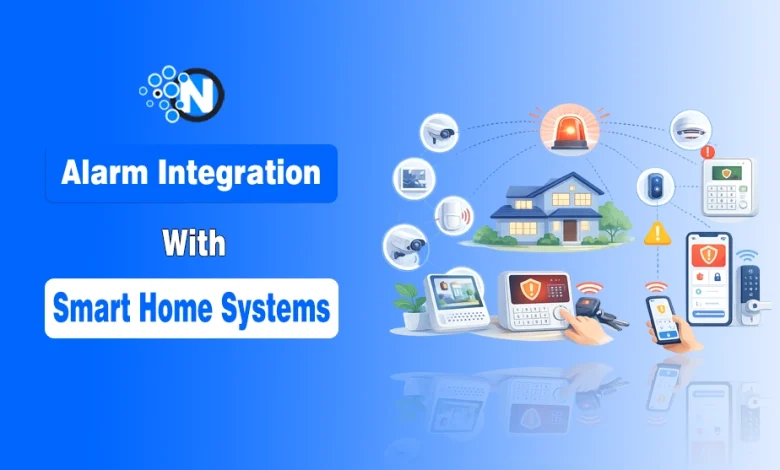
- Smart alarm systems now function as connected home ecosystems, not standalone devices.
- Google Home, Alexa, and Apple Home each offer unique advantages in automation and control.
- Smart integration helps reduce false alarms and forgotten arming incidents.
- DIY systems work well for smaller homes, while professional installation suits larger or compliance-driven properties.
- Future-proof smart security depends on ecosystem compatibility and automation flexibility.
Modern home security has evolved far beyond standalone alarm panels and loud sirens. In 2026, homeowners expect their security systems to work seamlessly with smart assistants, mobile apps, cameras, lighting, and automation routines. A smart alarm system is no longer just about detecting intrusions; it is about creating a connected ecosystem that improves safety, convenience, and daily living.
Whether you are installing a DIY security kit or investing in a professional alarm system installation, compatibility with platforms like Google Home, Amazon Alexa, and Apple Home has become one of the most important buying decisions. Without proper integration, even advanced alarm systems can feel disconnected and difficult to manage.
This guide explains how smart alarm integration works, which platforms offer the best experience, and how homeowners can automate security while reducing common risks like false alarms and forgotten arming.
Why Smart Integration Matters in Real Homes?
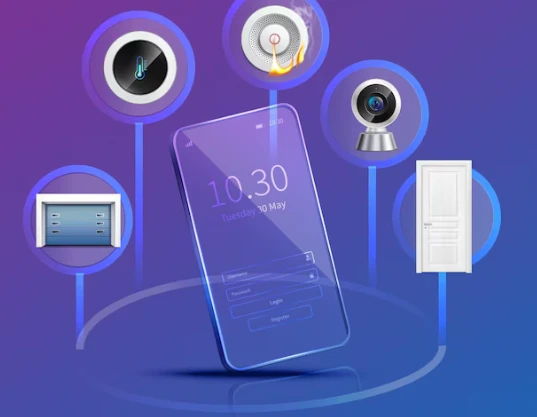
Smart integration is one of the top smart home trends and solves practical problems that traditional alarm systems cannot handle efficiently.
Reducing Human Error
One of the biggest security problems is not hardware failure; it is forgetting to arm or disarm the system correctly. Smart assistants simplify daily security tasks with:
- Voice commands
- Automated schedules
- Geofencing
- Mobile notifications
For example, your system can automatically switch to Away Mode when your phone leaves the house.
Centralizing Security Control
Instead of managing separate apps for security cameras, locks, and sensors, integration brings everything into a unified dashboard. This improves response time during emergencies.
Improving Property Value and Insurance Eligibility
Connected systems are increasingly recognized in home insurance assessments. In many cases, professionally monitored systems can lead to lower premiums and better resale value due to enhanced security infrastructure.
Core Smart Home Protocols That Power Integration
Understanding how devices communicate helps users choose the right system for long-term reliability.
- Wi-Fi Connectivity: Wi-Fi remains the simplest setup option for most consumer alarm systems. It offers fast installation but depends heavily on internet speed and stability.
- Z-Wave Networks: Z-Wave is widely used in professional-grade security systems due to its long range and reliable mesh networking, making it suitable for larger homes.
- Zigbee Ecosystems: Zigbee is common in DIY smart home setups, especially for sensors and lighting integration.
- Matter Standard: Matter is becoming the most important unifying protocol, enabling cross-platform compatibility between Google, Alexa, and Apple ecosystems.
Integrating Your Alarm System with Google Home, Alexa, and Apple Home
1. Connecting Alarm Systems to Google Home
Google Home provides one of the most flexible smart home environments.
Common compatible systems include:
ADT, Ring Alarm, SimpliSafe, Vivint, and Honeywell.
Setup Process
- Open Google Home app
- Select “Set up device”
- Choose “Works with Google”
- Link your security provider account
- Assign devices to rooms
Practical Benefit
Users can arm or disarm their system using voice commands or create routines like:
- “Goodnight” → arms alarm + locks doors + turns off lights
- “Leaving home” → activates away mode automatically
Problem It Solves
This reduces missed arming incidents, one of the most common causes of false security alerts.
2. Connecting Alarm Systems to Amazon Alexa
Alexa offers broad compatibility through its Skills ecosystem.
Supported systems often include ADT, Ring, SimpliSafe, Abode, Vivint, and Honeywell security platforms.
Setup Process
- Open Alexa app
- Go to Skills & Games
- Enable your alarm provider skill
- Link account and discover devices
Key Safety Feature
Most systems require a PIN for voice disarming. This prevents unauthorized deactivation through accidental or external voice triggers.
Practical Benefit
Alexa enables complex automation chains such as:
- Motion detected → lights turn on → camera records → alert sent
- Scheduled arming → nightly routine activation
Problem It Solves
It reduces reliance on manual control and prevents users from leaving their system unarmed during busy routines.
3. Connecting Alarm Systems to Apple Home
Apple HomeKit is designed for privacy-focused users who prioritize secure local processing.
Compatible systems include:
Aqara, Abode systems, Eve sensors, and selected Honeywell and Ecobee devices.
Setup Method
- Open Apple Home app
- Scan HomeKit pairing code
- Assign device to home hub (HomePod or Apple TV required)
Key Advantage
HomeKit Secure Video processes camera footage locally before encryption, reducing cloud dependency.
Problem It Solves
It addresses privacy concerns by minimizing external data exposure while maintaining automation capabilities.
High-Value Security Automation Scenarios
Smart integration becomes truly useful when multiple systems work together.
Geofencing Automation
Your phone’s location automatically triggers:
- Arm system when leaving home
- Disarm when arriving safely
Multi-System Scenes
A single command can:
- Lock doors
- Turn off appliances
- Activate alarm system
- Adjust thermostat
Security Event Triggers
Examples of real-world automation:
- Door open at night → hallway lights activate + camera records
- Smoke detected → doors unlock + alerts sent
- Motion detected → siren delay + notification sent
When DIY Security Stops Being Enough
DIY systems work well for small homes and apartments, but limitations appear in more complex environments.
- Large or Multi-Zone Properties: Wireless kits may struggle with coverage beyond 2,000–2,500 sq. ft., especially in multi-building properties.
- Insurance and Monitoring Requirements: Many insurers require UL-listed monitoring centers, which typically involve professional installation and verified service contracts.
- Life-Safety Compliance: Fire and carbon monoxide integration often requires licensed installation under local building codes in many regions.
Smart Homes Need Smart Security Systems
Smart home integration transforms alarm systems from standalone devices into connected security ecosystems. Platforms like Google Home, Alexa, and Apple Home each offer different strengths, flexibility, automation depth, or privacy control.
The right choice depends on your home size, technical comfort level, and security expectations. For basic setups, DIY systems provide strong functionality. For larger properties or compliance-driven environments, professional installation ensures reliability and long-term safety.
A well-integrated alarm system does more than respond to threats; it prevents mistakes, automates protection, and keeps your home secure without constant manual control.
Frequently Asked Questions
Are smart alarm systems secure from hacking?
Modern systems use encryption and multi-factor authentication, but security also depends on proper setup, strong passwords, and regular firmware updates.
Can I connect any alarm system to Google Home, Alexa, or Apple Home?
No. Each ecosystem has a certified compatibility list. Google Home and Alexa support the broadest range; Apple Home works mainly with HomeKit-certified hardware like Abode, Aqara, and select Honeywell devices.
Is professional installation required for smart alarm integration?
Not for basic DIY kits like Ring, SimpliSafe, or Abode those are designed for self-installation. Professional installation becomes necessary for hardwired systems, multi-zone properties, monitored systems requiring UL-listed certification, and any setup combining intrusion with life-safety detection.
Will Matter replace Z-Wave and Zigbee?
Eventually for cross-ecosystem interop, yes. In the near term, most alarm panels will continue using Z-Wave or Zigbee internally and expose Matter as the bridge to Google, Alexa, and Apple Home.
Do smart alarm systems lower insurance costs?
In many cases, professionally monitored systems can qualify homeowners for insurance discounts, especially when combined with fire and life-safety monitoring.