Modern businesses face nonstop cybersecurity threats, from ransomware attacks to phishing campaigns and data breaches.
When a digital incident occurs, organizations must respond immediately to reduce operational disruption, financial losses, and reputational damage. Effective cyber resilience depends on preparation, rapid communication, and structured decision-making.
Managing cyber crisis efforts successfully requires more than antivirus software or firewalls. Businesses need a proactive framework that combines employee awareness, incident response planning, compliance procedures, and real-time monitoring. Companies that react quickly can contain threats before they escalate into long-term business problems.
What is Cyber Crisis Management?
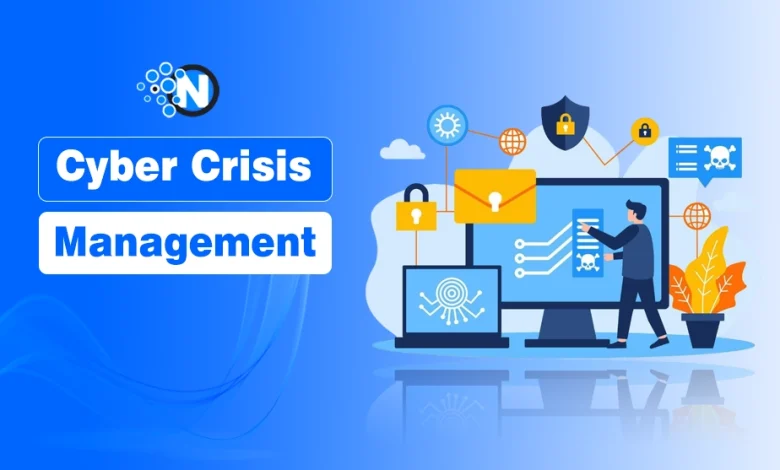
Cyber crisis management is the process of detecting, containing, and responding to cybersecurity incidents immediately as they occur to reduce business disruption, financial losses, and data exposure.
This approach aligns with enterprise cybersecurity frameworks such as the NIST incident response lifecycle and ISO 27001 risk management principles.
Key components of real-time cyber crisis management include:
- Continuous threat monitoring: Tracks suspicious activity across networks, endpoints, cloud environments, and business systems in real time.
- Automated security alerts: Identify unusual behavior quickly and notify security teams before threats escalate.
- Rapid incident response: Helps IT and security teams isolate compromised systems, contain attacks, and begin recovery immediately.
- Cross-functional coordination: Involves IT, legal, communications, and executive leadership teams during active cyber incidents.
- Advanced cybersecurity tools: Use technologies such as endpoint detection and response (EDR), security information and event management (SIEM), threat intelligence platforms, and cloud security monitoring tools.
- Business continuity protection: Reduces downtime, limits operational disruption, and helps restore critical services faster.
The main goal of real-time cyber crisis management is to improve cyber resilience, protect sensitive data, and minimize damage during active cybersecurity threats.
Best Real-Time Cyber Crisis Management Strategies
When it comes to real-time cyber crisis management for modern businesses, there are several strategies that help organizations detect threats quickly, respond effectively, and minimize damage during active cyber incidents. Here are some of the top ones:
Recognizing Cyber Threats Early
Early threat detection allows organizations to contain security incidents before they spread across networks or cloud environments. Unusual login attempts, unauthorized file access, suspicious emails, and unexpected system behavior are often early indicators of compromise.
Modern businesses should train employees to recognize warning signs and report suspicious activity immediately. Security awareness training reduces human error, which remains one of the leading causes of cyber incidents. Real-time threat monitoring tools and endpoint detection systems also help IT teams identify vulnerabilities faster.
Building a Dedicated Incident Response Team
A strong incident response team is essential during a cybersecurity emergency. Businesses should assign clear responsibilities to professionals in IT, legal, communications, and executive leadership.
Well-prepared teams can:
- Investigate cybersecurity incidents quickly
- Coordinate internal and external communication
- Protect sensitive customer data
- Maintain regulatory compliance
- Restore systems with minimal downtime
Regular simulations and tabletop exercises help teams respond confidently during real-world attacks. Decision-making during incidents follows a structured escalation model where operational teams handle detection and containment, while teams manage business impact and regulatory decisions.
Creating a Step-by-Step Response Plan
During a cyber crisis, confusion can delay recovery efforts. A documented response plan provides structure when every minute matters.
An effective cybersecurity response strategy should include:
- Procedures for isolating compromised systems
- Backup and recovery protocols
- Stakeholder communication workflows
- Data breach reporting requirements
- Secure entity management software for critical corporate and legal records
Organizations should review and update their plans regularly as cyber threats continue evolving.
Maintaining Clear Communication During a Crisis
Transparent communication reduces uncertainty and protects customer trust during a cybersecurity incident. Employees, partners, and clients need accurate updates without unnecessary delays.
Business leaders should prepare communication templates in advance for:
- Internal employee alerts
- Customer notifications
- Regulatory disclosures
- Media statements
Preserving Evidence for Investigation
Accurate documentation is critical after a cybersecurity event. Security logs, access records, screenshots, and communication history help investigators determine the source and impact of an attack.
Preserving digital evidence also supports:
- Regulatory audits
- Insurance claims
- Legal investigations
- Compliance reporting
Minimizing Business Disruption
Fast containment strategies help businesses operational losses. Isolating infected systems and securing unaffected infrastructure prevents additional damage.
To improve business continuity, organizations should:
- Maintain secure cloud backups
- Develop alternative workflows
- Test disaster recovery systems
- Prioritize critical services during restoration
Working With External Cybersecurity Experts
Some cyber incidents require outside expertise. Cybersecurity consultants, digital forensics specialists, legal advisors, and public relations professionals can provide specialized support during complex situations.
External experts assist businesses by:
- Identifying attack origins
- Managing regulatory obligations
- Improving recovery speed
- Protecting brand reputation
Keeping updated contact lists ensures faster coordination during emergencies.
Building a Cybersecurity-First Workplace Culture
Cybersecurity is not only the responsibility of IT departments. Every employee plays a role in protecting business systems and sensitive data.
Leadership involvement reinforces the importance of cyber awareness across the organization.
Implementing Advanced Security Technologies
Modern security technologies improve threat visibility and response times. Businesses should invest in tools that support continuous monitoring and automated threat detection.
Common cybersecurity solutions include:
- Multi-factor authentication (MFA)
- Endpoint detection and response (EDR)
- Security information and event management (SIEM)
- Extended Detection and Response (XDR)
- Identity and Access Management (IAM)
- Security Orchestration, Automation, and Response (SOAR)
- Cloud security platforms
- Network monitoring systems
Regular software updates and access control policies further reduce cyber risks.
Coordinating With Regulators and Authorities
Certain cybersecurity incidents must be reported to government agencies, regulators, or law enforcement authorities. Businesses should understand legal reporting obligations before an emergency occurs.
Working with authorities may provide:
- Threat intelligence updates
- Guidance during investigations
- Regulatory support
- Access to cybersecurity resources
Reviewing and Improving Security Strategies Regularly
Cybersecurity threats evolve rapidly, which means static plans quickly become outdated. Continuous testing and improvement are essential for effective Risk management and long-term resilience.
Businesses should:
- Review incident response plans regularly
- Conduct penetration testing
- Analyze previous cyber incidents
- Update security controls
- Monitor emerging cyber threats
Frequent reviews help organizations identify weaknesses before attackers exploit them. Organizations often evaluate incident response performance using key metrics such as detection time, response speed, and recovery efficiency to improve future readiness.
What Is a Cyber Crisis Management Plan?
A cyber crisis management plan details how a business detects, responds to, manages, and recovers from cybersecurity incidents like ransomware, data breaches, phishing, or intrusions.
A typical cyber crisis management plan includes:
- Incident identification procedures: Defines how security teams detect, classify, and report cybersecurity incidents.
- Response team responsibilities: Assigns roles to IT staff, legal teams, compliance officers, executive leadership, human resources, and communications personnel.
- Containment and recovery steps: Explains how compromised systems are isolated, secured, restored, and monitored during recovery.
- Internal communication workflows: Establish how employees, management teams, and stakeholders receive updates during a cyber incident.
- Customer and public communication plans: Prepares businesses for breach notifications, media responses, and customer trust management.
- Regulatory reporting requirements: Helps organizations comply with U.S. cybersecurity regulations, data breach notification laws, and industry-specific standards.
- Backup and disaster recovery procedures: Ensure critical business data and operations can be restored quickly after an attack.
- Post-incident review processes: Documents lessons learned, identifies security gaps, and improves future incident response strategies.
Who are the Mandatory Members of a Cyber Crisis Management Team?
A cyber crisis management team is a cross-functional group responsible for coordinating response, recovery, communication, and business continuity during cybersecurity incidents.
Its key members include:
- CISO (Chief Information Security Officer): Leads overall incident response strategy and security decisions.
- IT and security teams: Detect threats, isolate affected systems, contain attacks, and restore infrastructure.
- Executive leadership: Approves major decisions related to operations, risk, and business continuity.
- Legal advisors: Handle regulatory obligations, breach laws, contracts, and legal risk.
- Compliance officers: Ensure adherence to cybersecurity regulations and internal policies.
- PR and communications teams: Manage internal updates, customer notifications, and media communication.
- HR teams: Support employee coordination and manage internal security-related issues.
- Business continuity and disaster recovery teams: Maintain essential operations during system recovery.
- Digital forensics specialists: Investigate attacks, preserve evidence, and support incident analysis.
- External cybersecurity experts (MSSPs/consultants): Provide specialized support during complex incidents.
- Law enforcement/regulators (when required): Coordinate reporting and investigations for major breaches.
A well-defined team structure improves response speed, reduces confusion, and strengthens overall cyber crisis readiness.
Common Cybersecurity Threats Businesses Face
Modern businesses face a wide range of cybersecurity threats that can disrupt operations, expose sensitive data, and create major financial and legal risks. Here are some of the most common ones:
Some of the most common cyber threats include:
- Ransomware attacks: Malware encrypts business systems or data and demands payment to restore access. Ransomware often spreads quickly across networks and can shut down critical operations.
- Phishing attacks: Fraudulent emails, messages, or websites trick employees into revealing passwords, financial information, or system access credentials.
- Data breaches: Unauthorized access to customer records, financial data, healthcare information, or confidential business files can lead to regulatory violations and reputational damage.
- Insider threats: Employees, contractors, or third-party vendors may intentionally or accidentally expose sensitive systems and business data.
- Credential theft: Attackers use stolen usernames and passwords to access cloud platforms, business applications, and internal networks.
- Distributed denial-of-service (DDoS) attacks: Attackers launch DDoS attacks by flooding gaming servers with massive traffic, utilizing tools like xResolver to target platforms, cause outages, and disrupt operations.
- Cloud security breaches: Misconfigured cloud environments, weak access controls, and unsecured APIs can expose critical business infrastructure and sensitive information.
- Supply chain attacks: Cybercriminals target vendors, software providers, or third-party partners to gain access to connected business systems.
- Malware and spyware: Malicious software can steal data, monitor activity, damage systems, or create unauthorized access points inside networks.
- Business email compromise (BEC): Attackers impersonate executives, vendors, or employees to manipulate payments, invoices, or sensitive communications.
As cyber threats continue evolving, businesses must combine continuous monitoring, employee awareness training, access control policies, and modern cybersecurity tools.
Cyber Crisis Management Training and Team Exercises
Cyber crisis management training prepares employees and response teams to handle cybersecurity incidents effectively and reduce response delays during real attacks.
Key training and exercises include:
- Security awareness training: Educates employees on phishing, social engineering, passwords, and safe data handling.
- Incident response training: Trains IT and security teams on detection, containment, and recovery procedures.
- Tabletop exercises: Discussion-based simulations where teams walk through response steps for a cyber incident. This also ensures they always have a secure browsing experience.
- Cyber crisis simulations: Realistic attack scenarios to test technical response and coordination.
- Phishing simulations: Controlled tests to measure employee awareness and response to phishing attempts.
- Red team exercises: Ethical hacking simulations that test system defenses and incident response readiness.
- Cross-team drills: Practice involving IT, legal, HR, and leadership teams.
These activities help organizations identify response gaps, improve coordination, and strengthen cyber readiness.
What is Cyber Crisis Management for Banks and Financial Institutions?
Cyber crisis management in banks and financial institutions focuses on protecting financial data, preventing fraud, and maintaining uninterrupted banking services during cyber incidents.
Key focus areas include:
- Fraud Prevention: Identifies suspicious transactions and unauthorized account activity in real time.
- Ransomware response: Quickly isolates infected systems to protect core banking and payment infrastructure.
- Regulatory compliance (U.S. banking standards): Ensures compliance with financial cybersecurity and data protection requirements.
- System continuity: Maintains uptime of online banking, ATM networks, and payment processing systems.
- Customer data security: Protects financial records using encryption, access control, and monitoring systems.
- Incident escalation: Coordinates response between IT, leadership, teams, and regulators.
- Third-party risk management: Monitors vendors and fintech partners connected to banking systems.
- Cyber resilience planning: Ensures backup systems and recovery processes for fast restoration after attacks.
Useful Tips for Efficient Real-Time Cyber Crisis Management
Efficient real-time cyber crisis management depends on how quickly teams can detect issues, respond in a coordinated way, and prevent further damage. Here are some of the most common cybersecurity tips that you must opt for:
- Keep monitoring systems active 24/7 to detect threats early
- Define clear roles so every team member knows their responsibility during an incident
- Use automated alerts to speed up response time when suspicious activity is detected
- Maintain regular backups and test recovery systems frequently
- Communicate quickly and clearly across IT, leadership, and staff during incidents
- Run practice drills to improve response speed and coordination
- Update response plans regularly to match new cyber threats
What is the Biggest Challenge in Cyber Crisis Management?
The biggest challenge is fast incident response while maintaining clear communication across IT, legal, and leadership teams. Other than that, here are some of the most common challenges you may face:
- Slow threat detection: Late identification allows attacks like ransomware and intrusions to spread.
- Poor team coordination: Misalignment between IT, legal, compliance, and leadership delays response.
- Unclear roles: Confusion over responsibilities slows decision-making.
- Communication gaps: Delayed or inconsistent updates reduce trust and increase confusion.
- Outdated response plans: Untested or outdated plans fail against modern threats.
- Skill gaps: Limited cybersecurity expertise reduces response effectiveness.
- Weak monitoring tools: Poor visibility across systems delays detection and containment.
- Complex IT environments: Cloud systems, legacy infrastructure, and third-party integrations increase attack surface.
- High-pressure decisions: Stress during incidents increases the risk of mistakes.
Final Thoughts on Building Strong Cyber Crisis Readiness
Real-time cyber crisis management requires preparation, fast decision-making, and coordinated teamwork. Organizations that invest in cybersecurity awareness, response planning, and modern security infrastructure can reduce damage and recover more efficiently after a malware attack.
As cyber threats continue targeting businesses of all sizes, proactive planning becomes essential for operational stability and customer trust. Companies that prioritize resilience, communication, and continuous improvement are better prepared to handle digital crises with confidence.
Frequently Asked Questions (FAQs)
1. Why is real-time response important in cyber crises?
Real-time response helps limit the spread of attacks before they cause major damage. It reduces downtime and protects sensitive business data.
2. Who is involved in cyber crisis management?
It usually involves IT teams, management, legal advisors, and communication staff. Each group handles a specific part of the response process.
3. What tools are used for real-time cyber crisis management?
Common tools include monitoring systems, threat detection software, and security alerts. These tools help identify and respond to attacks quickly.
4. How can businesses prepare for cyber incidents?
Businesses can prepare by creating response plans and training employees. Regular testing and simulations also improve readiness.
5. What is the biggest challenge during a cyber crisis?
The biggest challenge is responding quickly while keeping communication clear. Delays or confusion can increase the damage caused by the attack.
6. What is a cyber crisis management plan template PDF used for?
A cyber crisis management plan template PDF is used as a ready-made document format that helps organizations quickly build a structured incident response plan.
7. What is a cyber crisis management policy structure?
A cyber crisis management policy structure defines the formal rules and procedures an organization follows during cybersecurity incidents.
It typically includes governance rules, incident classification, response authority levels, communication protocols, and compliance requirements.
8. What cyber crisis management certifications or courses are available in the USA?
Cyber crisis management courses in the USA are offered through cybersecurity training providers, universities, and professional organizations. They typically cover incident response, risk management, digital forensics, and cybersecurity frameworks such as NIST and ISO 27001.
9. What is a cyber crisis management maturity model?
A cyber crisis management maturity model is a framework used to measure how advanced an organization’s incident response capabilities are. It evaluates areas like detection speed, response coordination, automation, communication, and recovery effectiveness.
10. What are cyber crisis response SLAs?
Cyber crisis response SLAs (Service Level Agreements) define the expected timeframes for detecting, responding to, and resolving cybersecurity incidents.
11. What are RTO and RPO in cyber crisis recovery?
RTO (Recovery Time Objective) defines how quickly systems must be restored after an incident, while RPO (Recovery Point Objective) defines how much data loss is acceptable during recovery. Both are critical for disaster recovery planning.