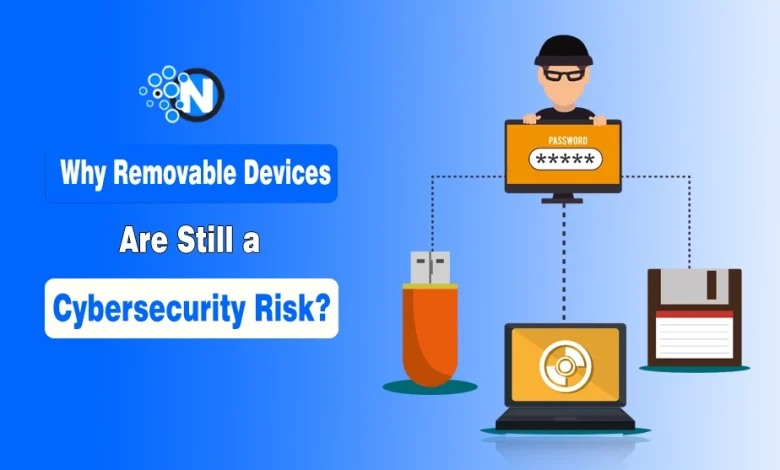
In a world shaped by cloud computing, AI-driven platforms, and always-connected systems, it’s easy to assume older threats have lost relevance. They haven’t. One of the most persistent risks remains the humble USB device.
Despite stronger policies and better awareness, removable media continues to appear in real-world incidents. The reason is simple: these devices are still widely used, inherently trusted, and often underestimated in modern security strategies.
The Convenience That Creates Risk
USB drives remain essential in many workflows. They are used to transfer files, update systems, and move data between environments that are intentionally isolated.
This is especially common in sectors like manufacturing, energy, and transport, where air-gapped networks are used to protect critical systems. While isolation reduces exposure to online threats, it creates a dependency on physical data transfer.
If data cannot move digitally, it moves physically, and that movement introduces risk.
A well-known example is the Stuxnet cyberattack, where malware spread through infected USB drives to compromise highly secure, isolated systems. It remains a clear reminder that physical access can bypass even the strongest network defences.
Why Traditional Security Falls Short?
Most organizations rely on tools like firewalls, endpoint protection, and network monitoring. These are effective, but they focus primarily on network-based threats.
USB devices operate differently.
They connect directly to internal systems, bypassing perimeter defences entirely. Once inserted, malicious code can execute before detection mechanisms respond.
More advanced threats complicate things further:
- Malware hidden inside legitimate-looking files
- Firmware-level attacks embedded in the device itself
- Payloads designed to evade traditional antivirus software
These tactics fall under broader concerns in Cybersecurity, where attackers increasingly target overlooked entry points rather than heavily defended systems.
1. The Human Factor
Technology alone doesn’t explain the persistence of this risk. Human behaviour plays a major role.
People tend to trust familiar devices, especially those received from colleagues, vendors, or partners. In fast-paced environments, verifying every USB device is rarely practical.
This creates a gap between policy and reality.
Even with strict rules in place, day-to-day operations often lead to shortcuts. Without technical safeguards, that gap becomes a vulnerability.
2. High-Risk Environments
While any organisation can be affected, some industries face higher stakes.
- Industrial systems: Disruption can halt production or damage equipment
- Transport and logistics: A breach can ripple across supply chains
- Maritime operations: Systems onboard ships often rely on USB transfers for updates and data exchange
In these environments, a single infected device can affect navigation, communications, or cargo handling. The impact goes beyond data; it can affect safety and operations.
For those working in this space, understanding USB Cybersecurity for Cargo Ships becomes part of a wider effort to protect operational technology from avoidable threats.
3. Managing the Risk in Practice
Eliminating USB usage is unrealistic. Many operations depend on it. However, the focus has shifted toward control rather than removal.
Effective approaches include:
- Treating all removable media as untrusted by default
- Using dedicated scanning stations before devices connect to critical systems
- Restricting device access through endpoint controls
- Logging and monitoring all USB activity
These measures align with modern Zero Trust Architecture principles, which is “Never assume trust, always verify.”
4. Balance Security and Efficiency
Security measures only work if people actually follow them on their laptops, computers, and smartphones.
If processes are slow or unclear, they will be bypassed. That’s why usability matters as much as protection.
Practical solutions should:
- Be quick and easy to use
- Fit naturally into existing workflows
- Provide clear guidance for users
When done right, security becomes part of everyday operations rather than an obstacle.
Why This Risk Still Matters in 2026?
Some risks persist not because technology is outdated, but because human workflows remain unchanged.
USB devices are:
- Portable
- Simple
- Universally compatible
These qualities make them difficult to replace and easy to exploit.
As long as organisations rely on physical data transfer, removable media will remain a viable entry point for attackers.
Final Thoughts
Cybersecurity often focuses on complex threats and advanced technologies. Yet some of the most effective attacks rely on simple, overlooked methods.
Removable devices are one of them.
Reducing this risk doesn’t require eliminating convenience. It requires managing it with awareness, control, and practical safeguards.
In a landscape where small gaps can lead to major consequences, that shift makes a measurable difference.