Mobile gaming has basically changed everything over the last few years, and honestly, it’s kind of wild how fast things are moving. Players don’t just care about games anymore; they care about how smooth, fast, and easy the whole experience feels across devices.
And yeah, expectations in 2026 are even higher because people are used to apps and platforms that basically work all the time perfectly.
So if a gaming platform is slow or confusing, players are just going to leave, no hesitation, no second thoughts. In this blog post, we’re going to discuss 7 features that players expect from mobile gaming platforms this year. Let’s start.
Why Players Demand New Features in Mobile Games
Players expect new features in mobile game platforms because digital experiences have evolved so quickly. Today’s apps and platforms are built to be fast, simple, and highly personalized, so gaming platforms are expected to deliver the same level of quality.
When a platform feels outdated, slow, or limited, users quickly switch to more modern and engaging options, pushing developers to keep improving instead of relying on old systems.
Competition in the mobile gaming industry also drives this demand, as every platform tries to stand out with better performance, smoother gameplay, and more interactive features. Because user expectations are so high, knowing which online gaming platform to choose often comes down to which provider offers the most seamless, feature-rich experience.
This is why some of the best mobile casinos also introduce new tools and updates every year to keep players engaged and improve user satisfaction. In such a fast-moving environment, standing still is not an option, especially as the ways players find games shift toward platforms offering better usability and rewards.
7 Features Players Expect from Mobile Gaming Platforms
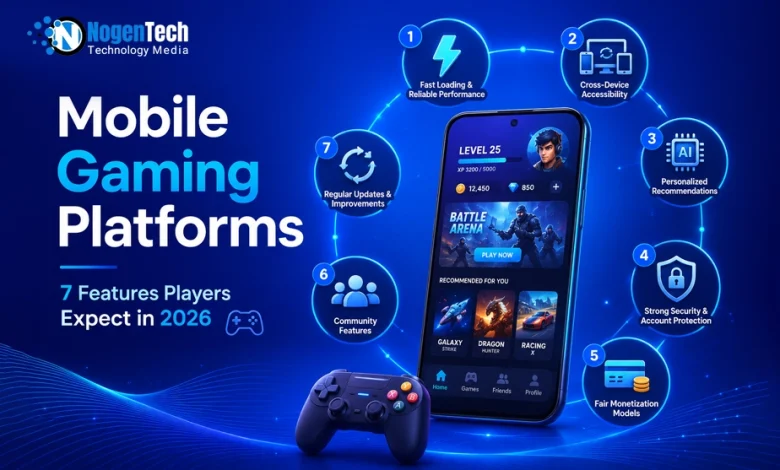
There are several features that many players would like in mobile gaming platforms. However, the following 7 are the main ones:
1. Fast Loading and Reliable Performance
Performance remains one of the most important factors in player satisfaction.
Long loading screens, frame drops, crashes, and connection issues can quickly damage the gaming experience. Players expect games to launch quickly, respond instantly, and perform consistently across different devices.
This is especially important for multiplayer, competitive, and real-time gaming experiences where even minor delays can affect gameplay. As mobile hardware continues to improve, users expect platforms to take full advantage of that performance.
2. Cross-Device Accessibility
Gaming sessions rarely happen on a single device anymore.
Many players switch between smartphones, tablets, laptops, and consoles throughout the day. They expect their progress, settings, and accounts to remain synchronized regardless of where they play.
Cross-platform compatibility has evolved from a premium feature into an expected convenience. Platforms that make switching between devices seamless often enjoy higher engagement and stronger user retention.
3. Personalized Recommendations Powered by AI
Players are constantly searching for new personalized gaming experiences, but finding relevant content can be difficult when thousands of games compete for attention.
Artificial intelligence is helping platforms solve this challenge by recommending games, features, and content based on player behavior and preferences.
Instead of showing the same suggestions to everyone, modern platforms increasingly prefer to deliver personalized gaming experiences that adapt to individual interests. This makes content discovery easier and improves overall engagement.
4. Strong Security and Account Protection
As gaming accounts become more valuable, security becomes more important.
Players often connect payment methods, store personal information, and spend years building progress within games. As a result, they expect platforms to provide strong account protection.
Features such as two-factor authentication, secure login systems, fraud prevention measures, and account recovery options help build trust and reduce security concerns.
Platforms that invest in security are often viewed as more reliable and professional by their communities.
5. Fair Monetization Models
Players understand that gaming platforms need revenue. However, they also expect transparency.
Aggressive monetization tactics, excessive advertisements, and systems that create unfair advantages can negatively impact user experience.
Modern players are more likely to support platforms that offer clear value through subscriptions, cosmetic purchases, optional upgrades, or flexible payment options. In fact, more players are opting for modern alternatives like cryptocurrency payments for faster transactions and better privacy.
Fair monetization creates long-term trust between platforms and their users.
6. Community Features That Feel Natural
Gaming has become increasingly social.
Many players spend as much time interacting with communities as they do playing games. Integrated messaging systems, friend lists, community groups, live events, and content sharing features help strengthen those connections.
Platforms that encourage interaction often develop stronger communities and higher levels of engagement over time.
For many users, gaming is no longer just about playing. It’s also about participating in a larger ecosystem built around shared interests and experiences.
7. Regular Updates and Meaningful Improvements
Players quickly notice when a platform stops evolving.
New features, performance improvements, content updates, and bug fixes demonstrate that developers are actively supporting the experience.
Consistent updates also help platforms remain competitive in an industry where user expectations continue to rise. Even small improvements can have a meaningful impact when they address issues that directly affect player experience.
The most successful gaming platforms treat improvement as an ongoing process rather than a one-time launch event. However, getting those foundational features right during your initial gaming platform launch preparation sets the stage for smoother updates down the road.
Player Demands for Features are Going to Rise in the Future
Players’ expectations are not going to slow down anytime soon. In fact, they are likely to increase even further in the coming years. As mobile technology continues to improve, users will naturally expect gaming platforms to deliver faster performance, smarter features, and more seamless experiences.
What feels advanced today will quickly become the basic standard tomorrow, especially as new devices and software raise the bar for usability and design.
At the same time, competition across the gaming industry will continue to grow, pushing developers to innovate more aggressively.
Players will have more choices than ever, which means even small issues in performance or design can lead them to switch platforms. To stay relevant, companies will need to focus on constant improvement, better personalization, and stronger engagement features.
This ongoing evolution ensures that player demands will remain a driving force shaping the future of mobile gaming.
Final Thoughts
The platforms attracting and retaining players in 2026 are not necessarily those with the largest game libraries. Instead, they are the platforms that consistently deliver speed, convenience, security, personalization, and reliable performance.
Players have become more selective about where they spend their time. As expectations continue to evolve, gaming platforms that focus on user experience, technological innovation, and community building will be better positioned to remain competitive in a rapidly changing industry.
Frequently Asked Questions (FAQs):
Why are mobile gaming features changing so fast?
Mobile gaming features are changing quickly because technology and user expectations keep improving. Developers update their platforms to keep up with modern performance and design standards.
What do players expect from mobile gaming platforms today?
Players expect fast performance, smooth gameplay, and easy navigation. They also want personalized and secure experiences across all devices.
Why is cross-device access important in mobile gaming?
Cross-device access lets players continue their progress on different devices without losing data. This makes gaming more flexible and convenient for users.
How does competition affect mobile gaming features?
Competition pushes developers to add better features and improve user experience. Platforms that don’t innovate often lose players to better alternatives.
Will mobile gaming features keep improving in the future?
Yes, mobile gaming features will continue to improve as technology advances. Players will expect even faster, smarter, and more interactive experiences over time.