10 Best Deal Room Software Platforms for B2B Sales in 2026
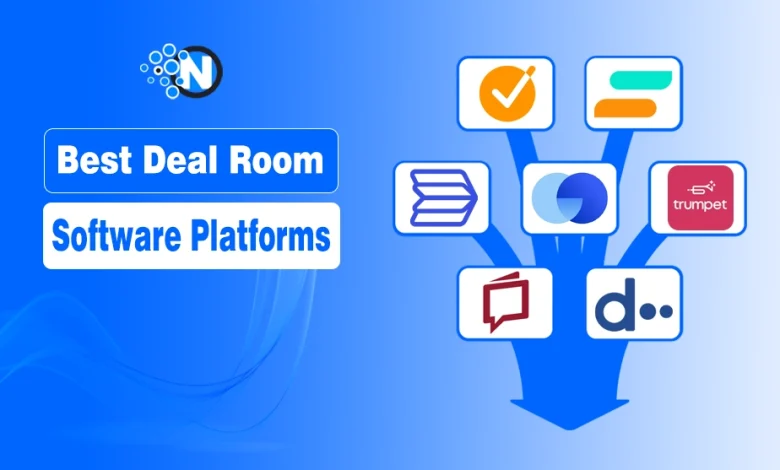
The best deal room software platforms for B2B sales in 2026 include GetAccept, Aligned, Trumpet, Dock, Flowla, DealHub, Allego, Accord, Highspot, and RELAYTO.

B2B sales deals become difficult to manage when proposals, pricing, presentations, and buyer conversations are scattered across emails.
According to Salesforce’s guide to digital sales, digital sales rooms provide a centralized space for buyer collaboration. They bring sales materials and communication into one workspace, making information easier to access and next steps easier to coordinate.
Some platforms focus on proposals and e-signatures, while others support buyer collaboration, interactive content, or complex revenue workflows. Here are 10 digital sales room platforms for 2026 and the sales challenges each one helps address.
| Deal Room Software | Best For | Problem It Helps Solve |
| GetAccept | Proposals and e-signatures | Connects buyer engagement with document workflows |
| Aligned | Complex B2B deals | Keeps stakeholders and next steps aligned |
| Trumpet | Personalized buyer experiences | Organizes sales content in branded digital rooms |
| Dock | Sales and onboarding | Maintains a shared workspace across customer stages |
| Flowla | Interactive buyer journeys | Structures sales content and buyer communication |
| DealHub | CPQ and revenue workflows | Connects quoting, approvals, and sales collaboration |
| Allego | Sales content and video | Brings enablement resources into buyer experiences |
| Accord | Mutual action plans | Clarifies deal milestones and responsibilities |
| Highspot | Enterprise sales enablement | Connects buyer-facing content with enablement resources |
| RELAYTO | Interactive sales presentations | Turns static documents into interactive experiences |
Reasons Behind Adding These 10 Digital Sales Room Software Platforms to the List
Each platform on this list addresses a specific B2B sales challenge, from managing proposals and buyer collaboration to coordinating stakeholders and simplifying complex deal workflows.
1. GetAccept

GetAccept combines digital sales rooms with proposal management, buyer engagement tracking, and electronic signatures.
Sales teams can share documents, monitor interactions, and manage signing workflows without relying on several
disconnected tools.
Its integrations with CRM software make it useful for B2B organizations that want buyer collaboration connected to their existing sales process.
For teams comparing e-signature platforms, GetAccept is also worth considering as a DocuSign alternative when buyer collaboration and document management are part of the sales process.
Best for: B2B sales teams that need digital sales rooms, proposals, and e-signatures in one workflow.
Key Features:
- Digital sales rooms
- Proposal and quote management
- Electronic signatures and digital signature workflows
- Buyer engagement analytics
- Mutual action plans
- CRM integrations
2. Aligned

Aligned helps sales teams manage opportunities involving multiple decision-makers. Its digital sales rooms bring stakeholders, shared content, and mutual action plans into one workspace.
Teams can use it to coordinate responsibilities, track next steps, and keep buyers informed throughout longer sales cycles.
Best for: Sales teams managing complex B2B opportunities involving multiple stakeholders and shared responsibilities.
Key Features:
- Collaborative deal rooms
- Mutual action plans
- Stakeholder mapping
- Content sharing
- Buyer engagement insights
- CRM integrations
3. Trumpet
Trumpet uses customizable digital sales rooms called Pods to organize documents, videos, messages, and other buyer-facing materials.
Its branded, interactive workspaces are particularly useful for sales teams that want to personalize content for individual prospects instead of sending separate files and links.
Best for: Sales teams that want branded, interactive buyer experiences tailored to individual prospects.
Key Features:
- Customizable digital Pods
- Branded buyer portals
- Video and document sharing
- Mutual action plans
- Buyer engagement analytics
- CRM integrations
4. Dock

Dock provides shared workspaces for managing buyer collaboration and customer onboarding. Teams can organize sales materials, project information, and next steps in one location.
It is useful for companies that want to maintain a consistent customer-facing workspace after a deal closes rather than moving everything into a separate onboarding process.
Best for: B2B companies that want shared workspaces for both sales collaboration and customer onboarding.
Key Features:
- Buyer-facing workspaces
- Sales content management
- Customer onboarding portals
- Shared action plans
- Workspace templates
- CRM integrations
5. Flowla
Flowla organizes sales content and buyer interactions into structured digital journeys. It helps sales representatives share relevant materials and guide prospects through the purchasing process.
The platform suits growing B2B teams that want a more organized buyer experience without managing information across multiple email threads.
Best for: Growing sales teams that need structured buyer journeys and centralized deal communication.
Key Features:
- Interactive buyer journeys
- Digital sales rooms
- Mutual action plans
- Buyer engagement analytics
- Automated follow-ups
- CRM integrations
6. DealHub

DealHub connects sales collaboration with CPQ (Configure, Price, Quote), proposals, approvals, and quote-to-revenue processes.
It is particularly relevant for businesses managing complex pricing and approval requirements, where a basic content-sharing room would not cover the entire sales workflow.
Best for: B2B organizations managing complex pricing, quotes, approvals, and revenue workflows.
Key Features:
- Configure, Price, Quote (CPQ)
- Digital sales collaboration
- Proposal generation
- Pricing and approval workflows
- Electronic signatures
- Quote-to-revenue management
7. Allego

Allego combines buyer-facing digital experiences with broader sales enablement capabilities. Teams can use sales content, videos, and educational resources to support buyer conversations.
It is a suitable option for organizations that already depend on structured content and video-based selling.
Best for: Sales organizations that rely on video, educational content, and sales enablement resources.
Key Features:
- Digital sales rooms
- Video-based selling
- Sales content management
- Buyer engagement tracking
- Sales training and coaching
- Content analytics
8. Accord

Accord focuses on helping buyers and sellers agree on the steps required to complete a deal. Its mutual action plans organize milestones, responsibilities, and deadlines.
This makes it useful for complex B2B opportunities where progress depends on coordination between several stakeholders.
Best for: B2B sales teams that need shared milestones, clear responsibilities, and structured deal coordination.
Key Features:
- Mutual action plans
- Shared deal milestones
- Stakeholder collaboration
- Sales playbooks
- Deal progress tracking
- CRM integrations
9. Highspot

Highspot connects buyer-facing sales experiences with content management and sales enablement.
It is most relevant for larger organizations that need to organize sales resources and deliver consistent materials across teams rather than manage digital deal rooms as a separate process.
Best for: Enterprise sales teams that need buyer-facing content connected to a broader sales enablement system.
Key Features:
- Sales content management
- Digital sales experiences
- Content engagement analytics
- Sales training and coaching
- Content governance
- CRM integrations
10. RELAYTO

RELAYTO transforms conventional documents and presentations into interactive digital experiences.
Sales teams can use it to present product information and other buyer-facing materials in a more engaging format than standard PDFs. Its main focus is interactive content rather than complete deal management.
Best for: Sales teams that want interactive presentations and engaging buyer-facing documents.
Key Features:
- Interactive digital documents
- Presentation transformation
- Multimedia content integration
- Digital content experiences
- Content engagement analytics
- Shareable buyer-facing materials
How to Choose the Right Deal Room Software
Start with the part of your sales process that needs improvement.
- Proposals and signatures: Consider GetAccept for connected document and signing workflows.
- Stakeholder coordination: Aligned and Accord focus on shared plans and responsibilities.
- Buyer presentations: Trumpet and RELAYTO emphasize interactive content experiences.
- Complex quoting: DealHub supports CPQ and revenue workflows.
- Sales-to-onboarding handoffs: Dock supports collaboration beyond the initial purchase.
- Sales enablement: Allego and Highspot connect buyer experiences with broader content resources.
Also check CRM compatibility, buyer access, and how easily your team can maintain each workspace. Understanding essential CRM features can help you evaluate integration requirements before choosing a platform. A useful deal room should simplify collaboration rather than create another system to manage.
FAQs
What Is the Difference Between a Digital Sales Room and a Virtual Data Room?
A digital sales room focuses on buyer engagement, content sharing, and sales collaboration. A virtual data room is primarily used for securely sharing sensitive documents during due diligence, mergers, and other confidential transactions.
Can Digital Sales Room Software Integrate With CRM Platforms?
Yes. Many digital sales room platforms integrate with CRMs such as Salesforce and HubSpot. These integrations can help sales teams connect buyer engagement, shared content, and deal activities with existing customer records.
Is Digital Sales Room Software Suitable for Small Businesses?
Yes. Small B2B businesses can use digital sales rooms to organize proposals, share product information, and manage buyer communication. The best choice depends on budget, ease of use, and whether the team needs basic content sharing or advanced sales automation.