AI writing tools have quietly become one of the most debated topics in modern education. By 2026, over 60% of students report using some form of AI assistance in their academic writing, and that number is only growing.
As educators, we have moved past the debate of whether AI belongs in the classroom. The real challenge now is knowing which tools genuinely support learning and which ones simply do the work for students.
In this article, I will walk you through the 6 best AI essay writer tools of 2026, covering everything from grammar assistance to full academic writing support. I will break down the pros and cons of these academic writing tools so you can confidently choose the right tool for your assignments.
6 Best AI Essay Writer Tools
The 6 best AI essay writer tools that I am about to discuss are some of the top ones available in the market. They offer amazing features to help you write quality essays easily. Here are the details of these essays:
1. Grammarly
- Best for: Grammar, spelling, and tone improvement
Grammarly has long been the default tool for catching errors, and it remains one of the best when it comes to sentence-level editing. Its AI now also provides rewriting suggestions, tone shifts, and clarity improvements.

While it doesn’t offer strong academic structure or citation help, Grammarly is excellent for polishing a final draft. Many educators recommend it to students as a final step in the writing process to avoid basic errors and enhance clarity.
| Pros | Cons |
|---|---|
| Real-time grammar and clarity checks | No academic scaffolding or deep structure support |
| Integrates with Google Docs and Word | Doesn’t generate citations or offer content development help |
| New AI rewrite suggestions |
2. Thesify
- Best for: Citation generation and source integration
Thesify fills a very specific gap: creating real citations. Many AI tools “hallucinate” sources or give incorrect citation formats. Thesify combats this by offering accurate in-text citations, bibliographies, and source summaries, with a focus on academic standards.
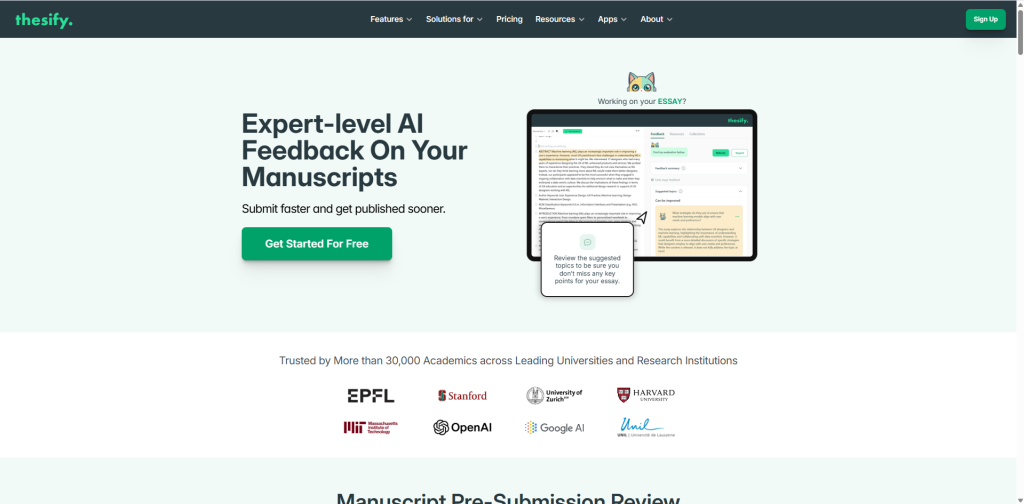
It’s not a writing assistant per se, but a perfect partner to other platforms. Many instructors now ask students to verify or build citations using Thesify, especially in research-heavy courses.
| Pros | Cons |
|---|---|
| Highly accurate citation generation | No drafting or outlining tools |
| Easy integration with Zotero | Works best in combination with another tool |
| Formats for APA, MLA, and Chicago |
3. Jenni AI
- Best for: Sentence-by-sentence writing support
Jenni AI provides step-by-step writing guidance, helping students build their essays one paragraph at a time. This tool is particularly helpful for students who feel overwhelmed by the blank page or struggle to keep ideas cohesive.
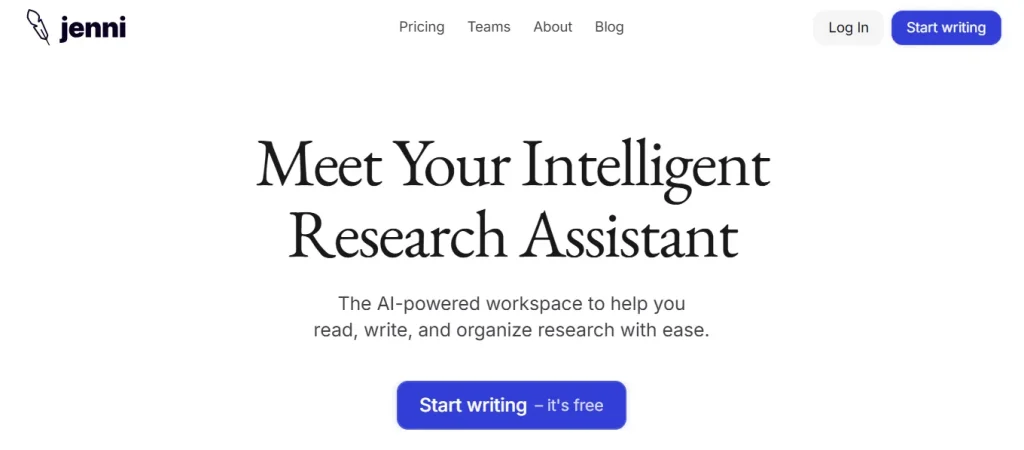
This academic writer tool offers paraphrasing help, citation prompts, and tone suggestions, all while maintaining a clean, distraction-free interface. As an educator, you’ll appreciate that students are nudged to write logically and reflectively rather than just copy-pasting outputs.
| Pros | Cons |
|---|---|
| Stepwise writing encourages thinking | Limited free usage |
| Clean user interface | Requires supervision to avoid misuse |
| Real-time feedback |
4. Litero AI
- Best for: Structured academic writing and student learning support
Litero is more than just a writing assistant, it’s an academic writing copilot built with both students and educators in mind. Unlike general-purpose tools, Litero is aligned with curriculum goals and built specifically for structured assignments like essays, literature reviews, and research papers.
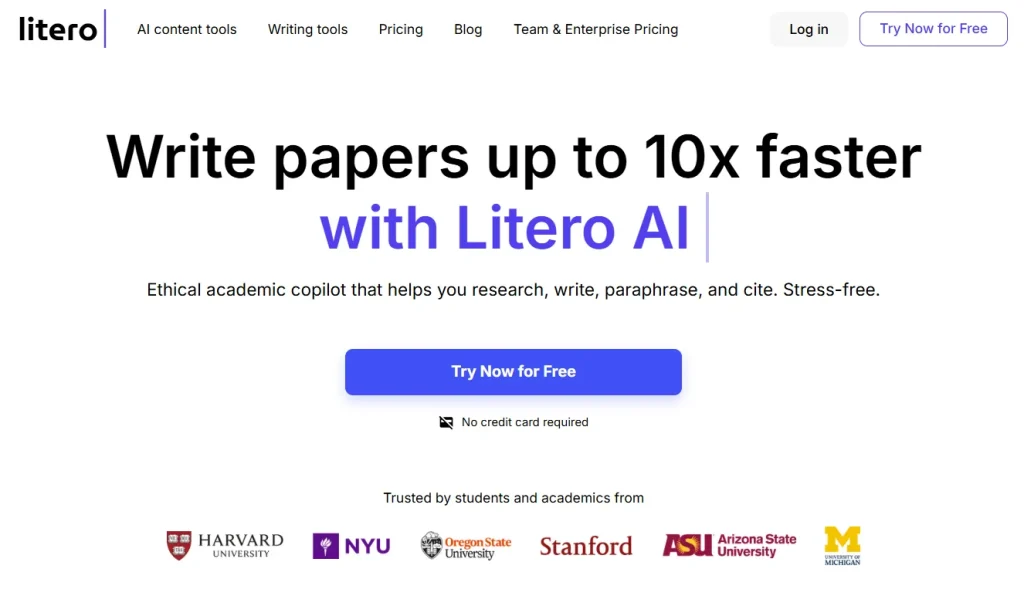
Rather than writing for students, Litero acts as a guide. It helps students brainstorm, structure their arguments, paraphrase effectively, and cite properly in formats like APA, MLA, and Harvard. The writing process remains theirs, but clearer, more confident, and better scaffolded.
| Pros | Cons |
|---|---|
| Purpose-built for academic writing | Advanced features like “Literka tutor” and draft memory are only in premium version |
| Encourages transparency and ethical use | |
| Built-in citation support | |
| Student voice remains intact | |
| Great for both short essays and long research papers |
From an educator’s perspective, this tool excels because it emphasizes academic integrity, offers personalized feedback, and keeps students actively engaged. Its real-time feedback loop encourages reflection, which is especially helpful for ESL learners or students with writing anxiety.
Check Litero AI Price – learn about the premium features and classroom options.
5. Smodin
- Best for: Quick essay outlines and content generation
Smodin leans more on the side of automation but includes features that can aid structured learning. Its “rewriter” and “question answering” tools are helpful for students trying to grasp complex content and convert it into simpler language.
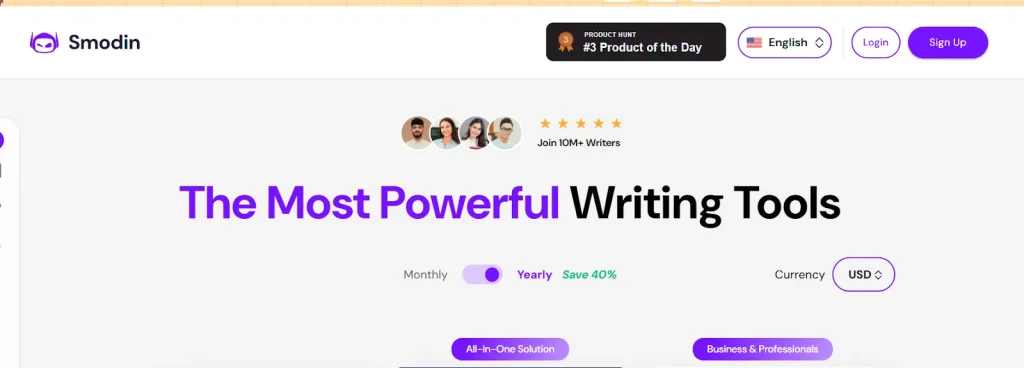
It can generate basic essays and summaries, though the educator’s role is essential to guide students on how to revise and deepen the content afterward.
| Pros | Cons |
|---|---|
| Multiple academic tools in one platform | Less emphasis on developing arguments |
| Quick summarization features | Risk of overreliance without guidance |
| Built-in plagiarism checker |
6. ChatGPT (with Academic Plugins)
- Best for: Brainstorming and drafting assistance
OpenAI’s ChatGPT remains a highly flexible option, especially with new academic plug-ins. Students can ask it to explain concepts, provide outlines, or help revise drafts. It’s conversational and excellent for initial brainstorming or practicing thesis writing.
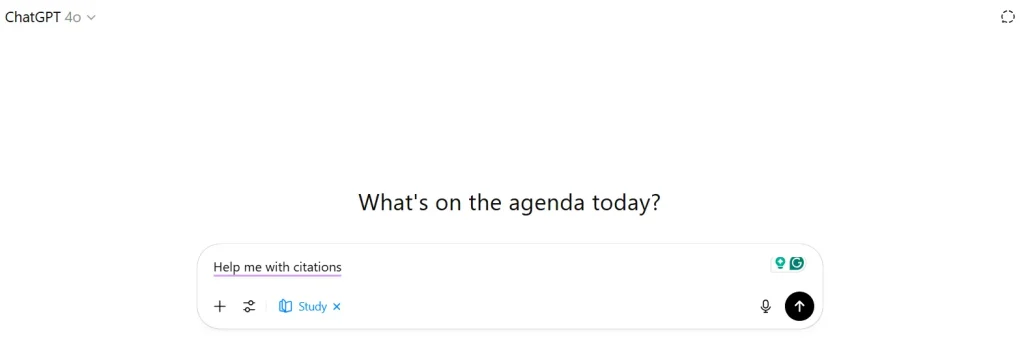
However, ChatGPT still has a tendency to generate inaccurate citations or “hallucinate” information. So while it’s powerful, it requires critical engagement and verification.
| Pros | Cons |
|---|---|
| Versatile and conversational | Lacks academic guardrails |
| Helps develop first drafts and explore topics | Requires active oversight for accuracy |
| Strong with brainstorming |
Final Words on AI Essay Writer Tools
In 2026, AI writing tools are as common in classrooms as highlighters once were. The question isn’t whether students will use them, it’s how they’ll use them. And as educators, we have the power to ensure AI becomes a force for deeper learning, not lazy shortcuts.
Among the top tools for academic writing in the market, Litero rises above for its educator-first design. It supports student learning, guides the writing process, and promotes ethical engagement with ideas. If you’re looking for a tool that bridges the gap between writing assistance and academic development, it’s the one to proceed with.