Why Email Reputation is the Foundation of Every Successful Online Business?

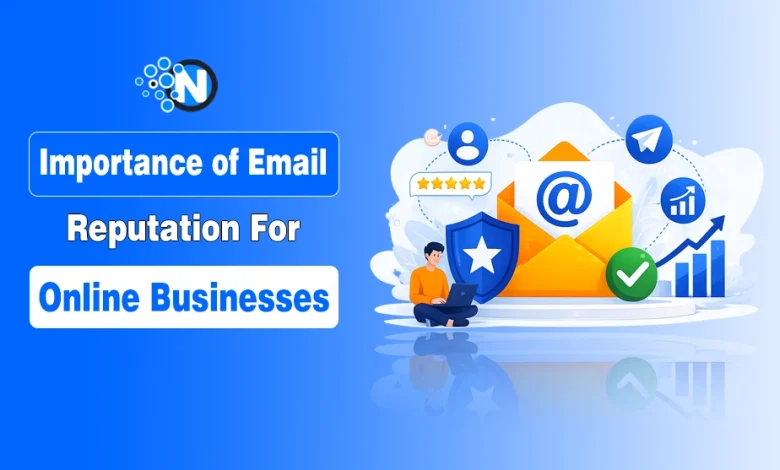
Email is one of the most important communication tools for online businesses, but sending emails does not guarantee that they will reach the inbox. Every email you send is evaluated by mailbox providers based on your sending behavior, engagement levels, and overall trust signals. This evaluation forms what is known as email reputation.
A strong reputation helps your emails land in inboxes, while a weak one pushes them into spam folders or blocks them entirely. Let’s explore why email reputation has become one of the most valuable assets for any online business.
- Email reputation determines whether your emails reach the inbox or spam folder.
- Both domain reputation and IP reputation affect deliverability.
- Cold outreach campaigns require gradual volume increases and proper domain warm-up.
- Double opt-in, segmentation, and list hygiene help strengthen sender reputation.
- Poor email reputation can directly reduce sales, engagement, and marketing ROI.
What is Email Reputation?
Email reputation is a trust score assigned to your sending domain and IP address by mailbox providers such as Google Gmail, Microsoft Outlook, and Yahoo Mail.
This score helps determine whether your emails are trustworthy enough to reach subscribers’ inboxes.
Mailbox providers evaluate several factors, including:
- Spam complaint rates
- Email bounce rates
- Open and click-through rates
- Reply rates
- Unsubscribe activity
- Sending frequency and consistency
- Domain age and history
- Email authentication records (SPF, DKIM, and DMARC)
The stronger these signals are, the more likely your emails will be delivered successfully.
This is also why practices like using the best email warmup service for cold outreach are often used, since they help gradually build trust before sending at scale. These tools simulate normal sending behavior so mailbox providers see consistent, low-risk activity over time. As a result, new or inactive domains can establish credibility faster and reduce the risk of being flagged as spam.
Why Email Reputation is Important for a Successful Online Business
Email reputation directly affects whether your messages reach the inbox or disappear into spam folders. For online businesses that depend on email marketing, customer communication, and sales campaigns, maintaining a strong reputation can influence engagement, conversions, and overall business growth
1. The Score Behind the Scenes
So what is email reputation, really? A bunch of signals stitched together by mailbox providers and third-party services to decide if you’re trustworthy. Gmail has its own internal scoring.
Outlook has its own thing. Then there’s external scores from places like SenderScore and Talos.
Your reputation lives at two levels, too. Your IP address and your sending domain each have a score. Both matter.
They’re calculated based on how often people mark you as spam, how many emails bounce, how many people open and click versus delete unread, and whether you’re authenticated properly.
It’s basically a credit score for your email program. And like a credit score, once it tanks, climbing back takes time.
2. Why Cold Outreach Lives or Dies on Reputation?
Cold outreach is highly dependent on sender reputation because you are contacting people who have no prior relationship with your brand. Mailbox providers carefully evaluate this type of sending activity to determine whether it appears trustworthy or potentially harmful.
If a new or low-reputation inbox sends a large volume of emails too quickly, it can trigger spam filters and reduce deliverability. This can result in messages landing in spam folders or being blocked entirely, even if the content is relevant and well-written.
Because of this, building sending volume gradually is important so providers can recognize stable and consistent behavior over time. When email activity grows in a controlled way, it helps establish credibility and improves the chances of successful inbox placement.
3. The Tiny Mistakes That Wreck Reputation Fast
Here’s the frustrating part. You can spend two years building a solid reputation and torch it in two weeks of dumb moves.
Buying a list and blasting them. Spam complaints spike, reputation crashes. Sending to old, scraped data. Half the addresses bounce, and mailbox providers flag you.
Changing your sending domain right before a big push without warming the new one. Instant deliverability nightmare. Sending five emails a week to people expecting one. Unsubscribes through the roof.
And yet I see these patterns constantly. Folks rush. They want results yesterday. So they take shortcuts, and shortcuts charge interest later.
The tricky part is that you usually won’t notice for a while. Your dashboard might still show opens (Apple inflates that). Revenue dips for “no reason.” You blame the offer, the season, the economy. Meanwhile, your reputation has been bleeding for weeks.
4. What’s Interesting About Engagement Right Now!
Mailbox providers have shifted hard toward engagement as the dominant signal. Used to be, content filtering and blacklist checks did the heavy lifting. Now? It’s about whether people actually want to read what you send.
Replies are golden. A reply tells Gmail this is a real conversation. Stars, marking as important, dragging out of spam, those send even stronger signals. Forwards too. Anything that’s the opposite of “delete without opening.”
This is why a small, engaged list crushes a big, half-asleep one. Take a hypothetical: a brand with 8,000 active subscribers who open and click consistently will out-earn a brand with 80,000 dead contacts. Every single time.
That’s also why list cleaning isn’t optional. If a chunk of your subscribers haven’t opened anything in 9 months, sending to them is actively hurting the folks who do want your stuff. The unengaged drag-down placement for everyone on the same domain.
Some businesses also diversify their communication channels instead of relying entirely on email. For example, email-to-text services allow important messages, alerts, and notifications to be delivered directly to mobile devices, helping brands maintain engagement even when email open rates fluctuate.
5. Building Reputation the Slow Way
There’s no real shortcut to a strong sender reputation. It depends on time, consistency, and treating subscribers like humans instead of conversion units. Yeah, I said it.
Start with double opt-in. Yes, you’ll lose some subscribers at the gate. Good. The ones who confirm are way more likely to engage, which protects everyone else on your list.
Send predictably. If you said weekly, send weekly. Mailbox providers love consistency. They reward it.
Segment your sends. Don’t blast everyone with the same thing. A new subscriber and a three-year customer shouldn’t get identical emails. Smarter segmentation means higher engagement, better placement, and more revenue. The whole thing compounds.
Authenticate properly. SPF, DKIM, DMARC, all three of them. Skipping this in 2026 is like leaving your front door wide open and wondering why your stuff keeps getting stolen.
Useful Strategies for Improving Email Reputation
A strong email reputation is built gradually through consistent practices and healthy sending habits. The following strategies can help improve deliverability and increase the chances of reaching subscribers’ inboxes.
1. Use Double Opt-In for Subscribers
Double opt-in requires users to confirm their subscription before joining your email list. This helps filter out fake, incorrect, or low-interest email addresses and creates a list of subscribers who are more likely to engage with your content.
2. Keep Your Email List Clean
Remove inactive users, invalid addresses, and contacts that have not engaged for long periods. A cleaner list reduces bounce rates and prevents low engagement from affecting your sender reputation.
3. Maintain a Consistent Sending Schedule
Mailbox providers often favor predictable sending behavior. Sending emails regularly instead of sending large bursts after long gaps helps create a stable reputation over time.
4. Authenticate Your Emails Properly
Email authentication methods such as SPF, DKIM, and DMARC help verify that your messages are legitimate. Proper authentication improves trust and protects your domain from spoofing attempts.
5. Personalize and Segment Your Campaigns
Not every subscriber has the same interests or needs. Segmenting your audience and sending more relevant content can increase opens, clicks, and replies, all of which positively affect email reputation.
6. Monitor Performance Metrics Regularly
Track metrics such as spam complaints, bounce rates, unsubscribe rates, and engagement levels. Monitoring these signals allows you to identify problems early and make adjustments before your reputation is affected.
What to Avoid for a Better Reputation?
Certain practices can damage your email reputation quickly, even if the rest of your email strategy is strong. Avoiding these common mistakes can help protect deliverability and keep your emails reaching the inbox.
- Buying email lists from third-party sources
- Sending emails to old, inactive, or unverified contacts
- Sending a large number of emails suddenly from a new domain
- Ignoring spam complaints and unsubscribe requests
- Sending irrelevant content to your entire audience
- Using misleading subject lines or clickbait tactics
- Skipping email authentication settings like SPF, DKIM, and DMARC
- Sending too many emails within a short period
- Neglecting to clean your subscriber list regularly
- Making frequent changes to domains without proper warm-up procedures
Email Reputation is an Asset for Online Businesses
Here’s the bottom line. Your email program is only as strong as your reputation, and your reputation is the sum of every small decision you make about who you send to, how often, and how well.
You can run all the fancy A/B tests on subject lines. Optimize your CTA colors. Spend hours on copy. But if your sender reputation is in the gutter, none of that matters because nobody’s reading any of it.
The brands quietly winning right now aren’t doing anything flashy. They’re protecting their reputation as if it were the most valuable asset they own. Honestly? For an online business, it kind of is.
People Also Ask
What is considered a good email reputation?
A good email reputation typically means low spam complaints, low bounce rates, strong engagement, proper authentication, and consistent inbox placement across major email providers.
How long does it take to build a good email reputation?
Building a strong email reputation usually takes time and depends on your sending habits. Consistent sending and healthy engagement can improve it gradually over several weeks or months.
Can a damaged email reputation be fixed?
Yes, a damaged reputation can often be improved with better practices. Cleaning email lists, reducing complaints, and maintaining steady sending behavior can help restore it.
Does email reputation affect sales and marketing performance?
Yes, because poor reputation can prevent emails from reaching subscribers’ inboxes. If fewer people see your messages, engagement and conversions can also decrease.
Why is email authentication important?
Email authentication helps verify that your messages are legitimate and actually come from your domain. It can improve trust and reduce the chances of emails being treated as spam.
How often should an email list be cleaned?
There is no fixed schedule, but reviewing and cleaning your list regularly is a good practice. Removing inactive or invalid contacts helps maintain better engagement and deliverability.