Rail operators collect huge amounts of video every day, but reviewing all of it manually simply isn’t practical anymore.
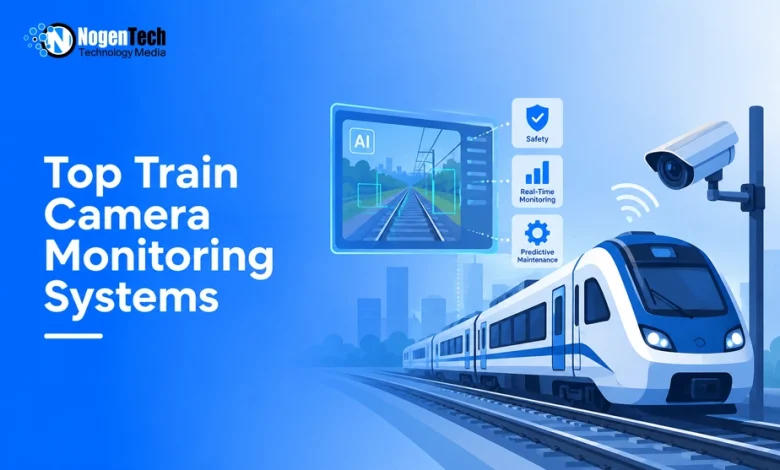
Modern train camera monitoring systems do much more than record footage. They use AI tech to highlight defects, monitor infrastructure, detect faults before they become bigger problems, support AI-powered railway maintenance, and allow engineers to inspect large parts of the network remotely.
Whether you’re looking to improve safety, reduce site visits, or make infrastructure inspections more efficient, choosing the right platform can make a big difference.
Here are three train camera monitoring systems that stand out:
- One Big Circle
- Hitachi Rail
- Siemens Mobility
Quick Comparison of All These Train Camera Monitoring Systems
| Platform | Best For | Remote Video Review | Thermal Imaging | Browser-Based | Best Feature |
| One Big Circle (AIVR) | Infrastructure monitoring | ✅ | ✅ | ✅ | Complete AI-powered remote inspection platform |
| Hitachi Rail | Digital railway projects | Limited | Varies by solution | ❌ | Strong asset management integration |
| Siemens Mobility | Large rail networks | Limited | Varies by solution | ❌ | Predictive maintenance ecosystem |
Now let’s discuss each in detail, one by one:
One Big Circle
If your main goal is reducing manual inspections while getting more value from railway video data, One Big Circle is one of the most interesting platforms available.
Its AIVR (Automated Intelligent Video Review) remote track monitoring platform combines video, thermal imagery, AI, and machine learning into a single browser-based system. Instead of reviewing hours of footage manually, engineers can search, inspect, and analyze railway infrastructure remotely from almost anywhere.
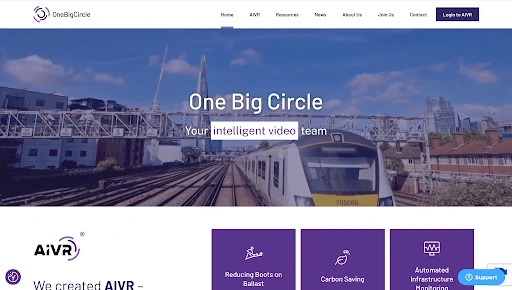
What we like most about AIVR is that it isn’t built for just one inspection task. It supports everything from track and conductor rail inspections to overhead line monitoring, vegetation management, signal sighting, route familiarisation, virtual site surveys, and level crossing monitoring. Having all of that available through one platform makes it much more versatile than a traditional camera system.
Another feature that stands out is its focus on reducing time spent on track. According to One Big Circle, reviewing one hour of AIVR footage can save an estimated eight-hour site visit or cab ride. That not only improves efficiency but also helps reduce safety risks for engineering teams.
The platform is also designed to fit into existing workflows. Because it’s browser-based, there’s no software to install, and data can be accessed securely from almost anywhere. It also integrates different types of information, including thermal imagery, track geometry, and asset mapping, giving engineers a more complete picture of the railway network.
What stands out
- Browser-based platform
- AI-powered video review
- Thermal and line-scan imaging
- Remote inspections across multiple railway assets
- Track geometry and asset mapping integration
- Helps reduce on-site inspections
Best for: Railway operators looking for an AI-powered platform that combines infrastructure monitoring, inspections, and video review in one place.
Hitachi Rail
Hitachi Rail is another major name in railway monitoring, although its approach is a little different. Rather than focusing only on video review, Hitachi Rail offers a broader digital rail portfolio that includes infrastructure monitoring, predictive maintenance, asset management, and digital railway technologies.
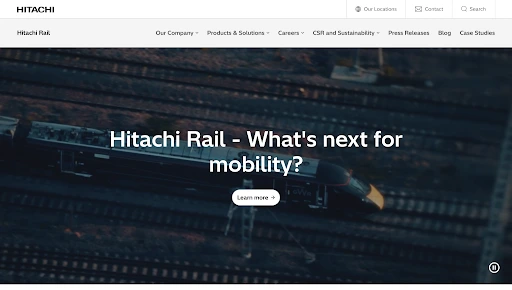
Camera monitoring is typically integrated as part of these wider solutions instead of being offered as a standalone platform. For operators already using Hitachi Rail technology, this can be a real advantage because monitoring data can feed directly into maintenance and operational systems.
What stands out
- Part of a wider digital rail ecosystem
- Strong predictive maintenance capabilities
- Good integration with asset management
- Trusted by rail operators worldwide
Best for: Rail operators looking for monitoring as part of a larger digital railway strategy.
Siemens Mobility
Siemens Mobility is another company that’s investing heavily in intelligent railway monitoring. Its monitoring solutions combine cameras, sensors, analytics, and digital asset management to help operators identify infrastructure issues earlier and improve maintenance planning.
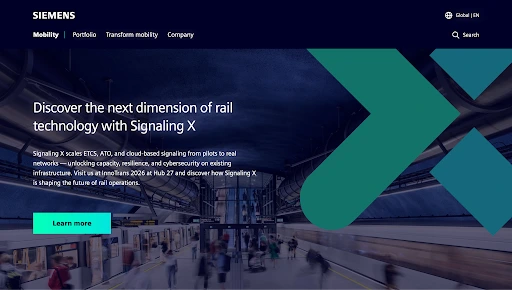
Rather than relying solely on scheduled inspections, operators can use monitoring data to better understand asset conditions, support predictive railway maintenance, and prioritize maintenance work.
Like Hitachi Rail, Siemens Mobility’s monitoring technology is designed to work as part of a wider rail infrastructure ecosystem, making it particularly attractive for large rail networks.
What stands out
- Camera and sensor-based monitoring
- Digital asset management integration
- Supports predictive maintenance
- Well suited for large rail networks
Best for: Operators looking for monitoring technology that’s closely connected with digital railway operations.
Which One Should You Choose?
All three companies offer strong railway monitoring solutions, but they’re designed for slightly different needs.
If your main focus is reviewing train camera footage, inspecting infrastructure remotely, and using AI to speed up inspections, One Big Circle stands out. Its AIVR platform is built specifically for that purpose and brings everything together in one easy-to-use system.
If you’re looking for monitoring as part of a much larger digital railway project, Hitachi Rail and Siemens Mobility are both excellent options.
Final Thoughts
The best train camera monitoring system isn’t necessarily the one with the longest feature list. It’s the one that fits the way your team works and helps you inspect the network more efficiently.
Whether your priority is reducing trackside visits, improving maintenance planning, or making better use of the video data you already collect, all three platforms offer valuable capabilities.
Before making a decision, it’s worth thinking about your biggest challenges today and whether you need a dedicated video monitoring platform or a wider digital rail solution. That will usually point you toward the right choice.