The Day I Realized SEO Was Only Half the Picture: My Semrush One Workflow

The Day I Realized SEO Was Only Half the Picture: My Semrush One Workflow Text Here
**This post is sponsored by Semrush. When you purchase through links in this article, we may earn an affiliate commission from Semrush.**
I still remember the small celebration I had when one of our pages finally reached number one on Google. After weeks of adjusting the title, improving the content, checking links, and watching the rankings move, seeing that number felt like proof that the work had paid off.
Then I checked the traffic.
Nothing dramatic had changed.
That was the moment the whole picture started to look different. The page could be number one and still not capture every person searching for an answer. More people were beginning their research in places such as ChatGPT, where the answer could come from a conversation instead of a list of blue links.
That experience changed how I measured SEO. I stopped asking only, “What position are we ranking at?” and started asking, “Where are people actually discovering us?”
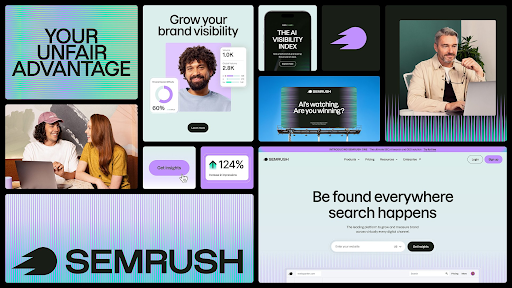
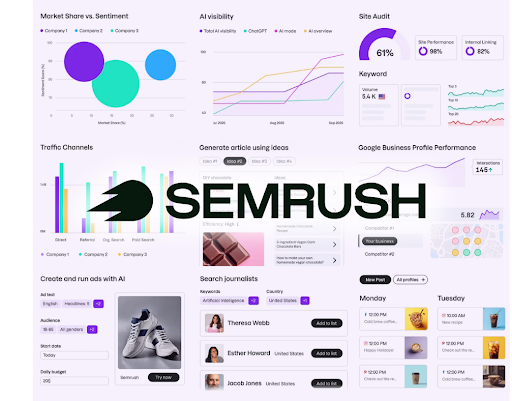
That is where Semrush One became useful to me. It brings traditional SEO data and AI search visibility into the same workflow, so I can look at rankings alongside how a brand appears in AI generated answers.
Step 1: Check the Traditional Search Picture First
I would still start with the basics. Open Semrush One and set up the website you want to monitor. The goal is not to immediately chase every new AI metric. First, I want to understand the foundation.
I look at keyword rankings, organic visibility, competitors, backlinks, and technical issues that could prevent a page from performing well. Semrush One connects these familiar SEO workflows with the newer AI visibility data, which makes the transition much easier.
If you are new to the platform, Semrush has a useful walkthrough called Getting Started with Semrush: A Tutorial for Navigating the Essentials. It covers setting up a site, tracking rankings, finding keyword opportunities, auditing technical issues, and building reports.
For me, this step matters because a sudden drop in traffic can still have a very ordinary SEO explanation. A technical problem, lost backlink, declining keyword, or stronger competitor can be hiding behind the numbers.
Step 2: Ask the Question Google Rankings Cannot Answer
Once the traditional search picture is clear, I move to AI visibility.
This is the part I wish I had started checking earlier. With Semrush One, I can look at whether a brand is appearing in AI generated answers, which pages are being cited, and how visibility compares with competitors. The platform supports tracking across Google AI experiences and AI platforms such as ChatGPT and Gemini.
I start by looking at the overall AI Visibility data. Then I check the prompts and topics where competitors are showing up but we are not. That gap is much more useful to me than simply knowing that AI search exists.
For example, if competitors are repeatedly appearing when people ask for the best tools in a particular category, but our brand is missing, that gives me a practical content question: what information are those answers drawing from, and what useful information are we failing to provide?
Semrush One also helps connect that research back to the website. Instead of treating AI visibility as a completely separate project, I can use the findings to decide which pages need better coverage, clearer answers, stronger supporting content, or technical improvements.
Step 3: Turn the Data Into One Simple Workflow
I do not think every marketing tool needs to be replaced with one platform. Most SEO tools can feel overrated when they give you dozens of dashboards but leave you wondering what to do next.
My preference is to use a combination of tools when there is a good reason, but choose based on the job rather than popularity. What matters is whether a tool saves time and helps me make a better decision.
That is why Semrush One fits into my workflow. I use Semrush One less as a replacement for every tool and more as a central place to connect the evidence. I can use SEO data to understand what is happening in traditional search, then use AI visibility data to see whether the brand is also being discovered through newer search experiences.
Semrush One is not a shortcut that guarantees a number one ranking or an AI recommendation. I see it more as a way to stop working with half the information.
The biggest lesson I took from that number one ranking was simple: visibility is bigger than position.
If you are still measuring success only by Google rankings, now is a good time to widen the view. Try Semrush One for yourself and see what your website looks like across both traditional search and AI discovery. You may find that the next opportunity is not another keyword to rank for, but a completely different place where your audience is already asking questions.