OpenAI Brings ChatGPT to Linux, a Year Behind Anthropic’s Own Desktop App
OpenAI released a preview ChatGPT desktop app for Linux this week, finally matching the Mac and Windows apps it launched months ago.

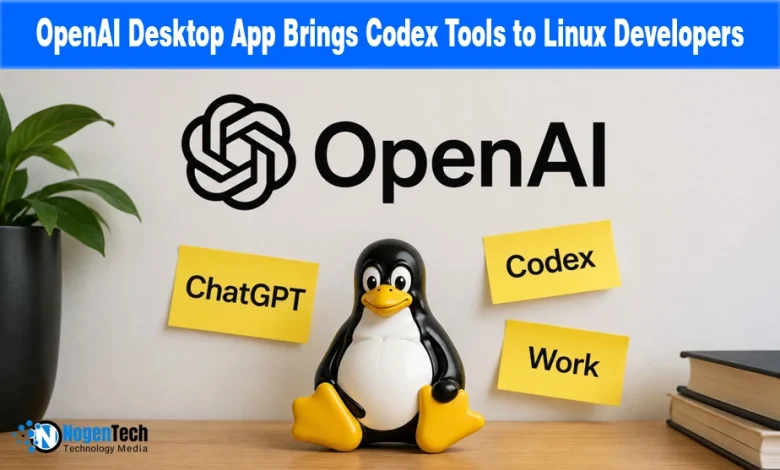
OpenAI released a dedicated ChatGPT desktop app for Linux on Tuesday, closing a gap that open-source developers had been publicly requesting on the company’s own community forum for months.
The preview release, rolled out worldwide, brings ChatGPT, ChatGPT Work, and Codex to several major Linux distributions at once, completing a rollout that started with Mac and Windows apps well before Linux users got equivalent native software.
OpenAI framed the launch as the final piece of desktop parity, saying in its own announcement that the release now extends ChatGPT and Codex across every major desktop operating system.
A Preview Built on a Narrow Set of Distributions
OpenAI said Linux has been one of the most requested platforms for its desktop app, with the launch extending ChatGPT and Codex across every major desktop operating system.
It follows the major revamp of its Windows and Mac desktop apps last month, bringing the updated native experience to Linux.
TechCrunch reported that the supported distributions include desktop variants of Ubuntu 24.04 and 26.04 LTS, Debian 13, and Fedora 43 and 44, a list that leaves out the hundreds of other Linux distributions in circulation.
However, the outlet notes that the chosen distributions serve as the base for numerous downstream “flavors” that should also work with OpenAI’s app as a result.
That distinction matters for users on less mainstream distributions: official support does not guarantee compatibility, especially with derivatives of these four base systems.
Anthropic Got There a Month Earlier
OpenAI is slightly behind Anthropic, which launched its Claude desktop app for Linux about a month earlier, supporting Ubuntu 22.04 or later and Debian 12 or later.
Anthropic’s app supports older Ubuntu and Debian versions, giving Claude broader reach than OpenAI’s Linux app, despite OpenAI calling its release support for “every major desktop operating system.”
Being first to a platform that developers have been requesting by name carries outsized goodwill, and Anthropic banked that goodwill a month before OpenAI showed up.
Why Linux Support Was Never Really About Market Share
The real logic behind this release has less to do with Linux’s modest desktop market share, historically in the low single digits, and more to do with its users: developers, engineers, and power users most likely to adopt Codex, which is bundled with the release.
Shipping a native Linux app is less about consumer strategy and more about reaching the technical crowd building software on Linux machines daily, the same group increasingly choosing between Codex and the expanding Claude Code.
Notably, OpenAI’s longtime COO Brad Lightcap is departing to “start something new,” placing Tuesday’s release during a week of organizational flux as the company expands its platform while trying to keep pace with rival Anthropic.