- Smart home monitoring helps detect structural issues early.
- Leak sensors and humidity monitors support preventative maintenance.
- Early detection can significantly reduce repair costs.
- Smart systems improve both property protection and indoor safety.
- AI and connected monitoring tools are shaping the future of home maintenance.
Modern smart home technology is transforming the way homeowners approach property maintenance and structural protection. Instead of waiting until major problems become visible, many homeowners are now using smarter tools and monitoring systems to identify issues earlier and reduce the risk of long-term damage.
This shift has become especially important as structural repair costs continue rising and homeowners place greater focus on preventative maintenance. Moisture buildup, hidden leaks, and material deterioration can often develop slowly over time without obvious warning signs.
In many cases, homeowners begin searching for professional Seattle dry rot repair services after moisture-related damage becomes visible, even though earlier detection could often help prevent more serious structural deterioration.
In this guide, you will learn how smart home monitoring systems can help homeowners prevent expensive structural damage.

Smart Monitoring Systems Are Becoming More Common
Technology-driven home monitoring tools are becoming increasingly popular among homeowners who want to better protect their properties from hidden damage.
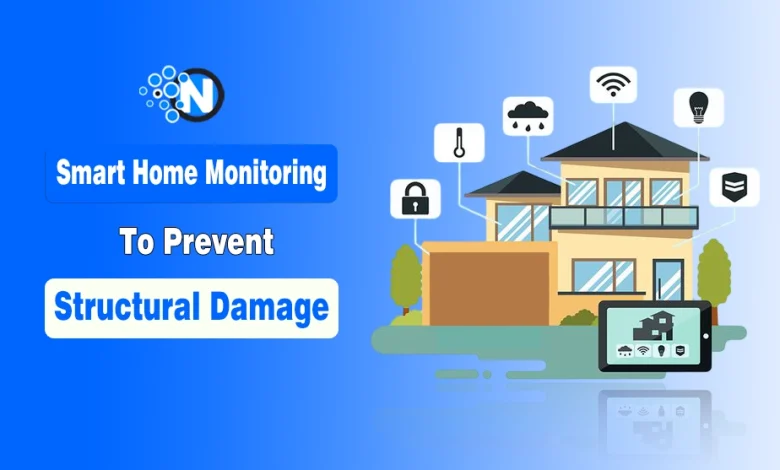
Modern systems can help detect:
- Moisture buildup
- Water leaks
- Humidity changes
- Ventilation problems
- Temperature fluctuations
- Structural movement
- Indoor air quality concerns
These systems allow homeowners to respond faster when conditions inside the home begin creating risks for structural deterioration.
Early detection is especially important because many forms of damage develop beneath the surface long before major visual signs appear.
Moisture Remains One of the Biggest Threats to Structural Stability
Moisture exposure continues to be one of the leading causes of structural deterioration in residential properties. Water intrusion from leaking roofs, damaged plumbing, poor drainage, or inadequate ventilation can slowly weaken materials over time.
When moisture becomes trapped inside walls, flooring, or wooden structures, it creates conditions where deterioration can spread unnoticed for long periods.
Common warning signs homeowners should pay attention to include:
- Soft or weakened wood
- Musty odors
- Peeling paint or discoloration
- Warped materials
- Cracks near structural areas
- Persistent moisture buildup
Although these issues may initially appear minor, they often indicate deeper structural concerns developing beneath the surface.
Preventative Maintenance Is Becoming More Technology-Driven
Modern homeowners are increasingly using technology not only for convenience but also for long-term property protection. Smart home systems now play a growing role in preventative maintenance strategies designed to reduce repair costs and improve home safety.
Some homeowners are investing in:
- Leak detection sensors
- Smart humidity monitors
- Automated ventilation systems
- Smart thermostats
- Moisture monitoring devices
- Connected home maintenance alerts
These tools help homeowners stay aware of potential issues before they become larger structural problems.
As smart home technology continues evolving, preventative maintenance is becoming far more proactive compared to traditional repair-focused approaches.
Early Detection Can Reduce Long-Term Repair Costs
One of the biggest benefits of smart monitoring technology is the ability to identify problems during the earlier stages of damage development.
Small moisture issues are often easier and less expensive to address compared to widespread structural repairs involving flooring, framing, walls, or support systems.
Early intervention can help homeowners:
- Reduce long-term repair expenses
- Prevent structural weakening
- Avoid damage spreading further
- Improve indoor safety conditions
- Maintain long-term property value
This is why many homeowners are beginning to view preventative technology as an investment rather than simply an added convenience.
The Future of Home Maintenance Is Preventive
As smart home technology continues advancing, preventative maintenance will likely become a standard part of homeownership.
Instead of reacting after visible damage occurs, homeowners are increasingly using data-driven monitoring systems to identify risks early and protect their properties more effectively.
Future smart home innovations may include:
- AI-powered structural analysis
- Predictive maintenance alerts
- Advanced moisture mapping
- Smart building material sensors
- Automated environmental adjustments
These technologies will continue transforming how homeowners approach property maintenance, helping reduce costly repairs and improve long-term structural protection.
Technology and Home Maintenance Will Continue Evolving
As smart household technology becomes more advanced, homeowners will likely continue adopting systems that improve long-term maintenance and structural protection.
Rather than reacting only after visible damage appears, many people are shifting toward earlier detection and preventative monitoring strategies designed to protect their homes more efficiently.
As technology continues influencing modern homeownership, preventative maintenance and smart monitoring systems will likely play an even bigger role in protecting residential properties in the future.
People Also Ask
Smart home monitoring systems detect issues like leaks, excess humidity, poor ventilation, and temperature fluctuations before they cause major structural deterioration.
Common devices include leak detectors, humidity sensors, smart thermostats, moisture monitors, foundation movement sensors, and automated ventilation systems.
Excess moisture can weaken wood, damage insulation, promote mold growth, warp flooring, and reduce overall structural stability over time.
Yes. Early detection allows homeowners to fix small problems before they turn into expensive structural repairs.
For many homeowners, smart monitoring systems help protect property value, reduce maintenance costs, and improve long-term home safety.
Warning signs include musty odors, warped materials, peeling paint, cracks near structural areas, water stains, and persistent humidity issues.