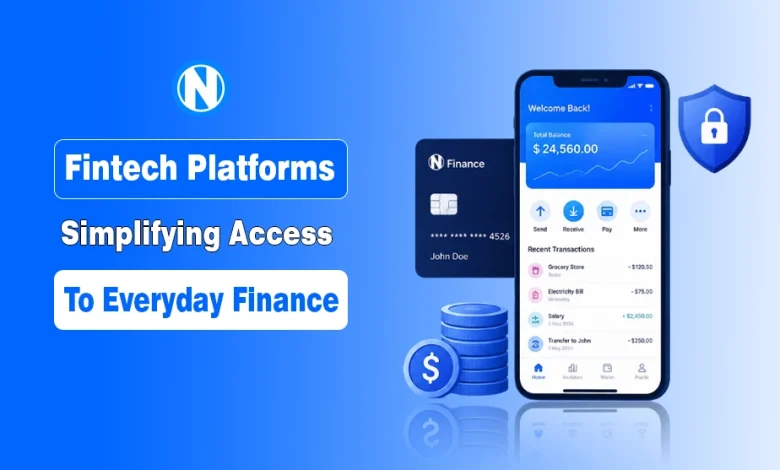
- Fintech platforms simplify everyday financial management.
- Digital tools improve payments, budgeting, and expense tracking.
- Mobile-first finance solutions increase accessibility and convenience.
- Fintech apps also support financial education and awareness.
- Security features of FinTech platforms also help protect users and build trust.
Financial technology (FinTech) has reshaped how people manage money, pay bills, monitor expenses, and access essential financial services.
Around 2.17 billion people globally used mobile banking by the end of 2025 to handle routine banking tasks without visiting physical branches. From mobile payments to budgeting applications, fintech platforms make financial management faster, more accessible, and easier to understand.
As consumers increasingly prioritize convenience and flexibility, fintech solutions continue to bridge gaps that once limited access to everyday finance. These platforms support individuals, families, freelancers, and small businesses by simplifying transactions, improving visibility into spending habits, and encouraging smarter financial decisions.
In this blog post, I will explain how Fintech platforms are simplifying everyday finance to provide users with better control over their finances.
What Are Fintech Platforms?
Fintech platforms are digital technologies and applications designed to simplify financial services and improve how people manage money.
The term “fintech” combines “financial” and “technology,” referring to tools that help users handle banking, payments, budgeting, lending, investing, and other financial activities online.
These platforms include:
- Mobile banking apps
- Digital wallets
- Budgeting tools
- Peer-to-peer (P2P) payment services
- Online lending systems
- Investment applications.
Instead of relying solely on traditional banks or physical branches, users can access financial services quickly through smartphones, tablets, or computers.
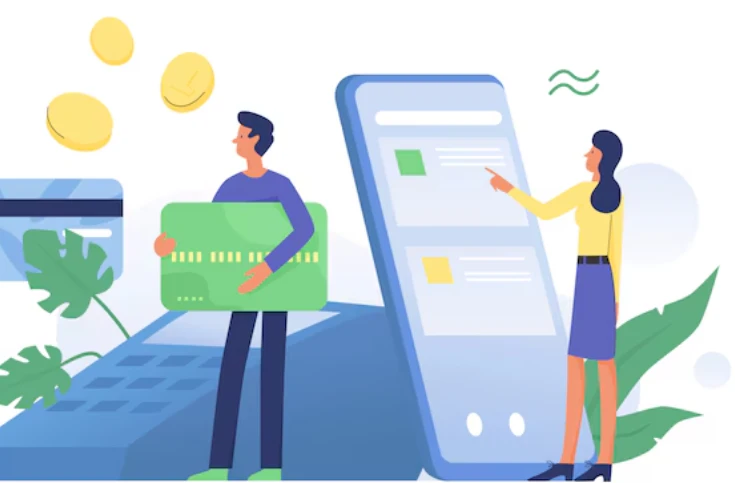
How Fintech Platforms Are Changing Everyday Finance?
Modern fintech platforms remove many of the traditional barriers associated with banking and financial services. Tasks that once required paperwork, waiting periods, or in-person visits can now be completed within minutes through smartphones or computers.
Mobile banking apps, peer-to-peer payment services, and automated financial tools allow users to stay connected to their finances anytime and anywhere. This shift is particularly valuable for busy households that need faster ways to manage recurring expenses, transfers, and budgeting goals.
The growth of digital finance also supports greater financial inclusion. Individuals who previously faced limited access to traditional banking can now use mobile-first financial solutions designed for convenience and accessibility.
Streamlining Payments and Money Transfers
One of the biggest advantages of fintech platforms is the simplification of payments and transfers, as discussed in resources like CreditNinja’s blog.
Users can now pay utility bills, transfer funds, split expenses, manage subscriptions, and shop online through secure digital payment systems. Real-time transaction processing reduces delays and gives users immediate access to updated account information.
Features such as:
- Instant payment confirmations
- Automated bill reminders
- Recurring payment scheduling
- Transaction notifications
- Contactless payment options
help consumers stay organized and avoid missed payments or unnecessary penalties.
For families managing multiple monthly expenses, these tools create a more predictable financial routine while reducing the stress often associated with manual payment tracking.
Enhancing Budgeting and Expense Tracking
Budgeting tools have become a major part of modern fintech platforms. Many applications automatically categorize expenses, giving users a detailed breakdown of where their money is being spent.
Detailed financial insights help consumers:
- Identify unnecessary spending
- Monitor recurring expenses
- Build healthier budgeting habits
- Track savings progress
- Set realistic financial goals
Interactive dashboards, spending charts, and personalized financial summaries simplify information that may otherwise feel overwhelming. Even users with limited financial knowledge can better understand their spending behavior through visual reporting and automated recommendations.
Supporting Faster Access to Emergency Funds
Unexpected expenses can place pressure on household budgets, especially when urgent payments arise. Some fintech platforms provide quick access to short-term financial solutions designed to help users manage temporary cash flow gaps.
Options such as a cash advance may provide short-term support when immediate funds are needed for emergencies or essential expenses. Many digital lending tools simplify the application process by reducing paperwork and providing faster approvals.
Clear terms, transparent repayment structures, and easy-to-navigate interfaces help users understand their options before making financial decisions. Responsible use of these services can provide temporary relief while supporting broader financial stability.
Improving Financial Awareness Through Education
Financial education has become an important feature within many digital finance platforms. Many platforms now include built-in educational resources that help users understand concepts such as:
- Budgeting strategies
- Credit score management
- Saving techniques
- Debt reduction
- Responsible borrowing
- Investment basics
Instead of relying solely on outside financial advice, users can access practical guidance directly within the apps they already use daily.
Features like progress trackers, savings milestones, and spending analysis tools help consumers understand how their everyday financial decisions affect long-term goals. This continuous interaction encourages better financial habits and improves financial literacy over time.
Strengthening Security and User Trust
Security remains one of the most important priorities in digital finance. Modern fintech platforms use advanced security measures to protect personal information and reduce unauthorized access.
Modern fintech applications commonly use:
- Multi-factor authentication
- Biometric verification
- Encrypted transactions
- Fraud monitoring systems
- Real-time security alerts
- Device recognition technologies
These safeguards help strengthen account security while improving user confidence in digital financial services.
Transparency also plays a major role in building trust. Clear privacy policies, easy-to-understand terms, and proactive communication help users feel more comfortable managing sensitive financial information online.
As cybersecurity threats continue evolving, fintech providers are expected to further improve both security standards and user experience.
Encouraging Greater Financial Flexibility
Flexibility is another key benefit offered through fintech solutions. Users can manage multiple accounts, automate payments, adjust savings goals, and review spending patterns from a single platform.
This adaptability helps families respond more effectively to changing financial situations. Whether adjusting monthly budgets, preparing for large expenses, or organizing future savings plans, fintech tools provide greater control over financial decisions.
Flexible financial management also supports long-term planning. Households can balance daily expenses with future priorities while maintaining better oversight of their overall financial health.
Integrating Financial Habits Into Daily Life
Digital finance platforms encourage users to make financial management part of their everyday routines. Quick access to balances, transaction histories, and budgeting summaries allows users to stay informed without spending significant time managing finances.
Simple daily interactions often lead to stronger financial discipline over time. Features such as reminders, automatic savings contributions, and spending insights encourage proactive financial behavior instead of reactive decision-making.
As users engage more frequently with these tools, they develop healthier financial habits and improved awareness of spending patterns.
This consistent integration of financial management into daily life supports greater financial confidence and long-term stability.
The Growing Role of Fintech in Modern Households
Fintech platforms continue to redefine how people interact with financial services. By simplifying payments, improving budgeting, supporting financial education, and enhancing accessibility, these digital solutions make everyday finance more manageable for modern households.
As technology continues to evolve, fintech will likely play an even bigger role in helping consumers manage money efficiently and confidently.
For individuals and families seeking convenience, transparency, and greater financial control, fintech platforms have become an essential part of modern financial life.
People Also Ask about Fintech Platforms
What is a fintech platform?
A fintech platform is a digital tool or application that provides financial services such as banking, payments, budgeting, lending, and investing through technology-driven solutions.
How do fintech platforms help consumers?
They simplify financial tasks like paying bills, tracking expenses, transferring money, and managing savings while offering greater convenience and faster access to financial services.
Are fintech platforms secure?
Most reputable fintech platforms use advanced security measures such as encryption, biometric authentication, and fraud monitoring systems to protect user information and transactions.
What services do fintech platforms offer?
Fintech platforms may offer digital banking, mobile payments, budgeting tools, investment services, savings automation, lending options, and financial education resources.
Can fintech platforms improve budgeting?
Yes. Many fintech apps automatically categorize expenses, track spending habits, and provide financial insights that help users create and maintain better budgets.
Why are fintech platforms becoming popular?
Consumers value their convenience, speed, accessibility, and ability to manage finances anytime through mobile devices and online platforms.
Do fintech platforms replace traditional banks?
Fintech platforms often complement traditional banking services by offering faster and more user-friendly digital financial solutions, though some operate independently.