The Impact of Automation on Workforce Planning, Productivity, and HR
Automation improves workforce planning, boosts productivity, and modernizes HR by reducing manual work, enabling data-driven decisions, and empowering employees, while human leadership remains essential for trust, ethics, and long-term success.

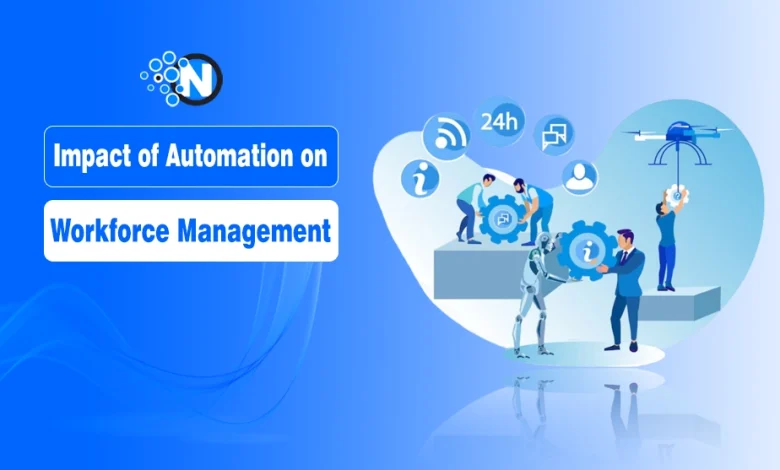
What if your workforce could plan itself, productivity bottlenecks could be spotted instantly, and HR teams could focus more on people than paperwork? That is exactly what automation is beginning to make possible.
Automation is no longer a distant concept reserved for future workplaces. It is already reshaping how organizations plan their workforce, improve productivity, and manage human resources. From AI-powered forecasting tools to automated HR workflows, businesses are redefining how work gets done.
Some companies still don’t know how these automations affect their businesses and workforce management, and some are making the most of it. That’s why I’ve compiled a guide on how automation affects workforce management.
What is Automation in the Workplace?
Automation refers to the use of technology to perform tasks with minimal human intervention. In the workplace, this includes software bots, artificial intelligence, machine learning, and workflow automation tools.
Common examples include automated scheduling systems, AI-driven recruitment platforms, payroll automation, and performance analytics tools. These technologies reduce manual effort and allow teams to focus on strategic and creative work.
Relationship Between Automation and Workforce Management
1. Smarter Demand Forecasting
Workforce planning used to rely heavily on spreadsheets and historical assumptions. Automation has changed that.
Modern workforce planning tools analyze real-time data such as sales trends, customer demand, seasonal patterns, and employee availability. This helps organizations predict staffing needs more accurately and avoid overstaffing or understaffing.
2. Skills-Based Planning
Automation helps HR teams identify skill gaps across departments. AI-driven tools can map existing employee skills against future business needs, which makes it easier to plan reskilling and upskilling initiatives.
This approach shifts workforce planning from role-based to skills-based, which is more flexible and future-ready.
3. Scenario Planning and Risk Reduction
Automated planning systems allow businesses to simulate different scenarios such as rapid growth, market downturns, or operational changes. This enables leaders to prepare for uncertainty with data-backed decisions rather than guesswork.
Impact of Automation on Workforce Productivity
1. Eliminating Repetitive Tasks
Automation removes repetitive and time-consuming tasks from daily workflows. Data entry, report generation, attendance tracking, and approvals can all be automated.
As a result, employees spend more time on problem-solving, collaboration, and innovation. Productivity improves not by working longer hours, but by working smarter.
2. Faster Decision-Making
Automated analytics tools provide real-time insights into performance, workload distribution, and operational bottlenecks. Managers no longer need to wait for manual reports to make decisions.
This speed leads to quicker responses, better resource allocation, and improved overall efficiency.
3. Consistency and Accuracy
Automated processes reduce human error. Whether it is payroll processing or performance tracking, automation ensures consistency and accuracy, which directly impacts productivity and trust within the organization.
Automation in Human Resources Management
1. Recruitment and Talent Acquisition
Automation has transformed hiring processes. AI-powered tools can screen resumes, match candidates to job requirements, and schedule interviews automatically.
This shortens hiring cycles and helps recruiters focus on evaluating candidate fit and culture rather than administrative tasks.
2. Employee Onboarding and Engagement
Automated onboarding systems guide new hires through documentation, training modules, and policy acknowledgments. This creates a smoother onboarding experience and reduces the workload on HR teams.
Automation also supports engagement through pulse surveys, feedback tools, and performance check-ins, which help HR stay connected with employees.
3. Performance Management and Analytics
Modern HR automation tools track performance metrics continuously rather than relying on annual reviews alone. Managers gain visibility into productivity trends, goal progress, and skill development.
This data-driven approach supports fair evaluations and more meaningful performance conversations.
Balancing Automation and the Human Element
Automation enhances efficiency, but it cannot replace emotional intelligence, ethical judgment, or leadership insight. Human involvement remains essential in interpreting data, managing people, and maintaining workplace culture.
1. Automation as a Decision Support System, Not a Replacement
Automated tools provide recommendations and insights, but final decisions must rest with humans. Managers need to contextualize data using experience, empathy, and organizational understanding to ensure fair outcomes.
2. Transparency and Employee Trust in Automation Adoption
Clear communication about why automation is implemented and how it affects roles builds trust. Employees are more receptive when they understand automation supports growth rather than silently threatening jobs.
3. Training and Upskilling for an Automated Environment
Employees need continuous training to work effectively with automated systems. Upskilling ensures confidence, reduces resistance, and enables workers to move into strategic, analytical, and creative roles.
4. Enhancing Employee Experience Through Automation
When used thoughtfully, automation reduces burnout by eliminating repetitive tasks. This allows employees to focus on meaningful work, improving engagement, satisfaction, and long-term retention.
Challenges and Considerations of Automation
1. Fear of Job Displacement and Workforce Anxiety
One of the biggest challenges of automation is employee fear. Unaddressed concerns can lead to disengagement, which makes it essential for organizations to frame automation as a support mechanism.
2. Implementation Risks and Operational Misalignment
Poorly planned automation initiatives can disrupt workflows instead of improving them. Without proper integration and goal alignment, automation may create inefficiencies rather than solve existing problems.
3. Data Privacy and Ethical Responsibility in HR Automation
HR automation handles sensitive employee data. Organizations must prioritize data security, ethical AI usage, and bias prevention to ensure trust, compliance, and fair decision-making.
4. Change Management as a Critical Success Factor
Successful automation depends on structured change management. This includes leadership involvement, employee feedback, phased implementation, and continuous communication to ensure smooth adoption.
5. Reskilling as a Long-Term Strategic Advantage
Reskilling transforms automation from a threat into an opportunity. Organizations that invest in learning create adaptable workforces ready to meet evolving technological and business demands.
6. Aligning Technology With People and Purpose
Automation delivers real value only when aligned with organizational goals and human needs. Technology should serve people, strengthen processes, and support a shared vision of growth.
Final Thoughts on Automation in Workforce
Automation is changing workforce planning, productivity, and HR in powerful ways. It enables smarter planning, boosts efficiency, and modernizes human resource management. However, its true value emerges when combined with human insight and strategic intent.
Organizations that embrace automation thoughtfully will build agile workforces, empowered employees, and sustainable growth in an increasingly digital world. AND to be honest, those who do the same will get the most out of this business model.