- Freelance AI engineers offer flexibility without long-term hiring commitments.
- A clearly defined project scope is critical for success.
- Real-world experience matters more than theoretical knowledge.
- Pre-vetted platforms speed up hiring and reduce risk.
- Starting with a small project minimizes financial exposure.
AI talent is no longer a “nice-to-have”; it’s a competitive advantage. From custom chatbots and intelligent agents to predictive analytics and recommendation systems, businesses are racing to integrate AI into their operations.
But here’s the reality: hiring the right AI engineer is harder than ever.
According to PwC’s Global AI Jobs Barometer, roles requiring AI skills have grown by 7.5% year-over-year, even as overall job postings decline. This imbalance is tightening the talent pool, making traditional hiring slower, more expensive, and often inefficient.
That’s exactly why more companies are turning to freelance AI engineers.
Freelancers give you the flexibility to move fast, experiment quickly, and access specialized expertise, without the long-term cost of full-time hires. And with curated platforms like Fiverr Pro, businesses can now connect with pre-vetted AI professionals and skip weeks of screening.
In this guide, you’ll learn how to find, evaluate, and hire freelance AI engineers efficiently, without wasting time, budget, or resources.
What Does a Freelance AI Engineer Do?
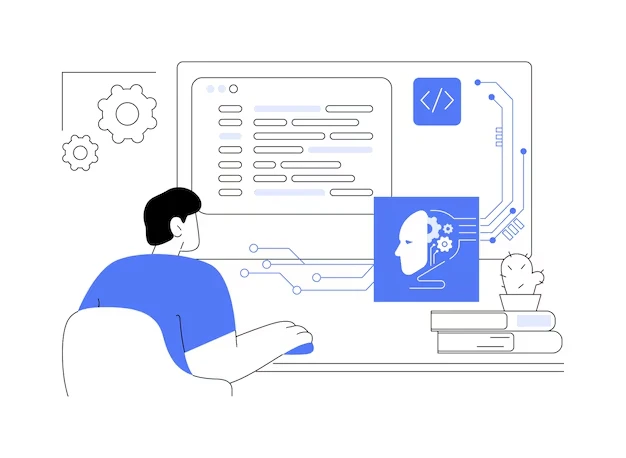
A freelance AI engineer is a project-based specialist who designs, builds, deploys, and optimizes AI systems tailored to your business needs.
Depending on your goals, their work may include:
- Developing machine learning models to predict customer behavior
- Building NLP-powered chatbots or AI agents
- Creating computer vision systems for automation or quality control
- Integrating AI features into existing apps or workflows
- Setting up scalable AI infrastructure on cloud platforms
AI engineers might have experience with Python, machine learning libraries like TensorFlow or PyTorch, and cloud services for hosting such AI models.
Most AI engineers specialize in specific areas such as machine learning, deep learning, or data engineering. That’s why aligning their expertise with your project requirements is crucial.
Guide to Hire a Freelance AI Engineer
Step 1: Define Your Project Scope Clearly
Before reaching out to any freelancer, get crystal clear on what you want to achieve. A vague brief leads to wasted time, misaligned expectations, and budget overruns.
Start by outlining:
- The business problem you want to solve
- The expected outcome or deliverable
- Project timeline and milestones
- Required tools, technologies, or frameworks
From a technical perspective, identify whether your project requires skills like Python, TensorFlow, PyTorch, or cloud platforms such as AWS or Google Cloud.
The more specific your scope, the easier it becomes to filter out unsuitable candidates and attract the right talent.
Step 2: Choose the Right Platform to Find Talent
Where you choose to look will ultimately determine the quality of talent that you will find. There are a few different freelance marketplaces out there, each working slightly differently.
Some, like Upwork, cast a wide net and offer open access to a large pool of freelancers across all experience levels and price points, which is great for those who want a lot of choice. The drawback is that you’ll need to do a large part of the screening yourself. Others take a more curated approach, vetting freelancers upfront before they even become visible to you.
Fiverr Pro, for example, requires that each freelancer have relevant credentials, past work, and their track record reviewed before they are given the opportunity to work with clients.
Other companies like Toptal take a similar approach, selecting only a small number of freelancers from those who apply, although most of the projects on Toptal are longer-term and involve significantly more spending.
Step 3: Review Portfolios (Focus on Real Work)
When you’ve found a few potential candidates for your project, review their portfolio, as this is where you’ll learn the most.
When reviewing candidates:
- Look for projects similar to yours
- Prioritize production-level work, not just experiments
- Evaluate measurable results (performance improvements, deployment success)
There’s a big difference between someone who has trained a model in a controlled environment and someone who has deployed AI in real-world conditions with messy data and scalability challenges. Always favor practical experience over academic or theoretical knowledge.
Step 4: Run a Practical Evaluation
A good resume tells you what someone has done, but it doesn’t tell you their thought process when things get tricky. And here’s a spoiler: Challenges will surely arise when it comes to AI projects.
During interviews:
- Ask candidates to walk you through a past project
- Explore how they handled failures or unexpected challenges
- Evaluate their decision-making and problem-solving approach
For deeper insights, assign a small paid test task. This helps you:
- Validate technical skills
- Assess code quality and documentation
- Understand how they approach real problems
Make sure the task aligns with your actual project so it adds value regardless of the outcome.
Step 5: Assess Communication and Collaboration Skills
Technical expertise alone isn’t enough, especially in remote collaborations. Freelance AI projects often involve:
- Async communication
- Cross-time-zone coordination
- Ongoing feedback loops
Pay attention to how candidates:
- Respond to messages
- Ask clarifying questions
- Explain technical concepts
With this in mind, pay close attention to how people communicate with you during the hiring process. Do they ask good questions? Are they clear and responsive? This will tell you a lot about what it will be like to work with them.
Step 6: Start Small Before Scaling
Jumping straight into a large project is risky. Instead, begin with a small, well-defined task that can be completed within a few weeks.
This allows you to:
- Evaluate working style and reliability
- Test collaboration and responsiveness
- Minimize financial risk
If the engagement goes well, you can confidently expand the scope. If not, you can pivot without major losses.
Step 7: Set Clear Workflow and Expectations
Once you’ve selected a freelancer, align on how the project will run.
Define:
- Deliverables and deadlines
- Communication channels (Slack, email, etc.)
- Project management tools (Trello, Jira, Notion)
- Feedback and revision processes
Clear workflows reduce misunderstandings and keep projects on track, especially when working remotely. Using tools to manage the project and implementing a system for providing feedback to the freelancer will go a long way to ensuring that all team members are on the same page, regardless of time zones.
Hire Top AI Engineers Fast
Hiring a freelance AI engineer doesn’t have to be complicated or expensive. The key is to approach it strategically.
Start with a clear scope, choose the right platform, validate real-world experience, and test before committing long-term.
Freelance platforms like Fiverr Pro simplify this process by offering access to pre-vetted AI professionals, helping you skip lengthy screening phases and move faster from idea to execution.
In a market where AI talent is scarce and demand is rising, the ability to hire quickly and effectively can be a major competitive edge.
People Also Ask
You can hire AI engineers on platforms like Fiverr Pro, Upwork, and Toptal. Fiverr Pro is ideal for quick access to vetted experts, while Upwork offers flexibility and Toptal focuses on elite talent.
It depends on your needs. Fiverr Pro is great for speed and quality, Upwork for variety and budget flexibility, and Toptal for highly specialized, long-term projects.
Look beyond listed skills. Focus on candidates who have built and deployed AI systems using Python in real-world scenarios. Always review portfolios and test with a small task.
It can take weeks on open marketplaces due to screening. With pre-vetted platforms, you can often hire within a few days—or even hours.
Yes—especially for project-based work. You avoid long-term salary commitments, benefits, and overhead costs while maintaining flexibility to scale as needed.