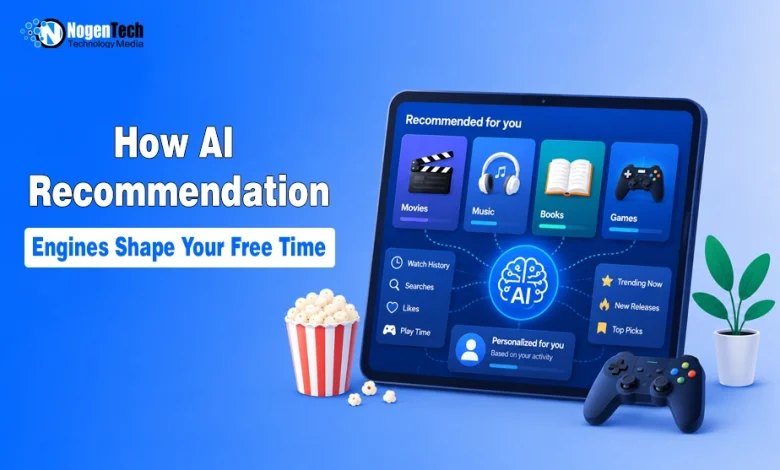
Open almost any entertainment app today, and you may notice that the content you see is rarely arranged.
This is not always a blunder; whether you’re browsing movies, listening to music, reading articles, or exploring a gaming platform, the first recommendations are now usually selected based on your previous activity rather than the platform’s library.
This shift has changed how people discover digital entertainment. Instead of spending time searching through thousands of options, AI recommendation engines analyze viewing habits, search behavior, completed sessions, and engagement patterns to surface content that feels more relevant.
The technology was first associated with streaming services, but it now influences many other digital experiences, including online gaming.
Now, my point is that understanding how these systems work helps explain why two people using the same platform often see completely different recommendations.
Why Entertainment Platforms Rely on AI Recommendations
Modern entertainment platforms compete for attention as much as they compete for content.
Large libraries become difficult to navigate if every user sees the same homepage. Platforms like Netflix helped popularize entertainment made for you, where recommendations are organized around individual viewing habits instead of showing every user the same content.
They typically consider signals such as:
- Recently viewed content
- Frequently visited categories
- Search history
- Time spent on different titles
- Viewing or playing patterns
- Content skipped after a few seconds
Instead of asking users to search manually, the system continuously adjusts recommendations as preferences change over time.
Why Two People Rarely See the Same Recommendations
Recommendation engines don’t simply track what someone watched yesterday. They look for broader patterns. The same recommendation approach also powers modern music platforms, where AI automation in music streaming helps generate playlists and suggest songs based on individual listening habits.
Someone who regularly watches documentaries may continue seeing educational content, while another person who prefers action films or competitive games is likely to receive completely different suggestions.
How AI Personalization Reached Online Gaming
Recommendation technology has gradually become part of modern gaming platforms for the same reason it transformed streaming services: large game libraries are difficult to navigate without some form of intelligent organization.
Rather than displaying every game equally, many platforms prioritize titles based on playing history, preferred genres, session length, and previous engagement. This makes discovering new games faster while helping players find experiences that match the way they typically play.
The same approach has also expanded across international gaming services. Independent reviewers have tested how offshore casinos work by evaluating how these platforms organize game libraries, handle payment methods, implement security measures, and personalize game recommendations.
Looking beyond promotional pages and comparing independent research gives players a better understanding of how these platforms actually operate before creating an account.
Can You Influence What AI Recommends?
Many people assume AI recommendations are fixed once a platform learns their interests. In reality, most recommendation engines continue adjusting as user behavior changes.
Simple actions can gradually influence future recommendations, such as:
- Watching or playing content from new categories
- Searching for topics outside your usual interests
- Completing content instead of leaving early
- Removing watch or search history where supported
- Creating separate profiles for different users
When Personalization Stops Being Helpful
Personalized recommendations save time, but they also have limitations.
If an algorithm keeps suggesting similar content, users may miss genres, creators, or games they would have enjoyed otherwise. Over time, recommendations can become repetitive because the system continues reinforcing existing habits instead of encouraging exploration.
This is why many entertainment platforms now combine personalized suggestions with sections like Trending, Recently Added, or Editor’s Picks. Mixing algorithmic recommendations with curated collections helps users discover content they might never search for themselves.
Why Human Choice Still Matters
Recommendation engines are designed to predict what you’re likely to enjoy, not what you’ll definitely enjoy.
Searching manually, browsing new categories, or trying unfamiliar games occasionally helps create a more balanced entertainment experience. It also prevents recommendation engines from relying too heavily on a narrow set of interests.
The most useful AI systems don’t replace personal choice. They simply reduce the effort needed to find something worth watching or playing.
Frequently Asked Questions
How do AI recommendation engines decide what to suggest?
They analyze patterns such as viewing history, search activity, completed sessions, preferred categories, and overall engagement to estimate which content is most relevant to each user.
Why do two people see different recommendations on the same platform?
Recommendation systems build individual profiles based on behavior. Even if two users have accounts on the same platform, different viewing or playing habits usually produce different recommendations.
Are AI recommendations always accurate?
Not always. They improve over time as more activity is collected, but they can still recommend content that doesn’t match a user’s current interests.
Can users reset AI recommendations?
Many platforms allow users to clear watch history, remove search history, or create separate profiles. These actions can gradually influence future recommendations, although the available options vary by platform.
Conclusive Opinion on AI Recommendation Engines
AI recommendation engines have quietly become one of the biggest influences on how people discover digital entertainment. Whether someone is streaming movies, listening to music, reading online content, or exploring a gaming platform, personalized recommendations now shape many of the decisions that once required manual searching.
Technology makes discovering relevant content faster, but it shouldn’t become the only way people explore new experiences. Combining AI-powered suggestions with occasional manual browsing helps users find a wider variety of content while avoiding repetitive recommendations.
As entertainment platforms continue expanding their libraries, recommendation engines will remain an important part of the user experience. Understanding how they work allows users to make better use of personalization instead of simply following whatever appears on the screen next.